Category: Business

Business News: Get latest stock share market news, financial news, economy news, company news, politics news, India news, breaking news, Indian economy news.

  • IPO Boom: 20 More Startups Prepare to Launch in India

    IPO Boom: 20 More Startups Prepare to Launch in India

    New-age companies are catalyzing a significant rise in India’s initial public offering (IPO) market, with forecasts suggesting that the total value of IPO deals could soar between $23 billion and $25 billion this year. This represents an increase from last year’s $21 billion. J.P. Morgan projects that the $20 billion mark is set to become the new benchmark for Indian IPOs. The surge is primarily driven by the increasing presence of tech startups, with approximately 20 more companies preparing for potential market entries in the upcoming year.

    Tech Startups Lead the Charge

    The spike in IPO activity is significantly influenced by new-age tech firms, which constituted around 15% to 20% of this year’s IPOs. According to J.P. Morgan’s managing director, Abhinav Bharti, this share is expected to rise to between 25% and 30% in the near future. He asserts that tech startups will continue to lead IPO deals alongside sectors like healthcare and consumer goods. Noteworthy companies such as Lenskart, Groww, and Meesho have already made their market debuts this year, offering profitable exits for early investors. The participation of private equity (PE) and venture capital (VC) firms has been significant, contributing to 50% to 70% of this year’s IPOs.

    Market Dynamics and Investment Trends

    Although there has been a dip in total equity flows into capital markets, anticipated to decrease to around $65 billion from $72 billion last year, the IPO market remains robust. This drop is linked to a lower volume of qualified institutional placements (QIPs). J.P. Morgan’s Nitin Maheshwari highlighted that India ranks among the top two markets in Asia, alongside Japan, for active private equity investments. He pointed out that the capability to invest and exit assets during varied market cycles has propelled this IPO momentum. As private equity firms successfully exit their investments, they are expected to reinvest in India, where annual investments have averaged close to $40 billion in recent years.

    Future Outlook for IPOs

    Looking forward, several leading startups, including PhonePe, Zepto, and Flipkart, are gearing up for IPOs next year. Bharti noted that there is a growing trend for companies to enter the market as they approach profitability. Many consumer tech firms that went public this year have either recently become profitable or demonstrated potential for profitability. This financial maturity and the establishment of stable business models are pivotal factors driving the current IPO boom. Bharti estimates that at least four to five companies could collectively raise between $7 billion and $8 billion through IPOs in the coming year.

    Domestic Capital’s Role in the IPO Boom

    Despite foreign institutional investors (FIIs) selling off a significant amount of Indian equities, their investments in primary markets, including IPOs and QIPs, have reached $7 billion. A prevailing theme in the market is the robust support from domestic capital. Bharti emphasized that with domestic investors pumping around $80 billion into the market, the supply of IPOs is likely to react positively. This trend indicates a healthy environment for new listings, as companies look to leverage the strong demand from domestic investors.

    Digihunt is not a financial advisor and this is not investment advice.

  • Nadella Pledges .5 Billion for AI and Cloud Projects in India

    Nadella Pledges $17.5 Billion for AI and Cloud Projects in India

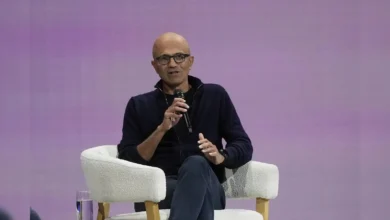
    Big investments are flowing into India’s technology sector, signaling a major shift in the global landscape. Microsoft has announced a landmark $17.5 billion investment in the country, aimed at enhancing cloud and artificial intelligence (AI) infrastructure. This announcement follows Google’s $15 billion plan for an AI hub and data center in India. The commitment from Microsoft, expressed by CEO Satya Nadella during a meeting with Prime Minister Narendra Modi, highlights India’s growing stature as a global AI powerhouse.

    Microsoft’s Historic Investment

    Microsoft’s announcement marks its largest investment in Asia to date. The $17.5 billion commitment is part of a broader strategy to solidify the company’s presence in India, which has become a key focus in its global operations. This new funding builds on the earlier $3 billion investment revealed this year, bringing Microsoft’s total commitment to $20.5 billion over the next four years. The aim of this investment is to enhance India’s cloud and AI capabilities, improving both skilling and operational frameworks.

    During his discussions with Prime Minister Modi, Nadella underscored the significance of this investment for India’s future. He articulated that the funds would help establish the infrastructure and skills necessary to support India’s aspirations in the AI sector. This investment not only highlights Microsoft’s faith in India’s potential but also underscores the country’s strategic importance in the global technology landscape.

    India’s Emergence as an AI Leader

    After the meeting, Nadella shared his excitement about India’s AI prospects on social media. He thanked Prime Minister Modi for a fruitful discussion, emphasizing the worldwide optimism towards India’s capabilities in AI. Modi resonated with this sentiment, spotlighting the potential for Indian youth to harness AI for innovation and meaningful change.

    Microsoft’s commitment aligns closely with India’s vision of becoming a frontrunner in AI technology. The company perceives India as being at a pivotal moment in its AI journey, characterized by substantial impact and growth. As technology propels economic transformation, Microsoft views its investments as a means to facilitate this evolution, aspiring to create a future that is equitable and tailored to India’s requirements.

    Government Support for AI Initiatives

    The Indian government is also crucial in nurturing an ecosystem conducive to AI development. Ashwini Vaishnaw, the Minister of Electronics and Information Technology, highlighted the importance of innovation rooted in trust and sovereignty. He pointed out that as AI reshapes the digital economy, India remains dedicated to ensuring that technological progress benefits all citizens.

    The collaboration between Microsoft and the Indian government signifies a shared vision for the future of AI in the country. With significant investments from major tech firms, India is positioned to emerge as a global leader in AI, promoting advancements that can drive inclusive growth and economic prosperity. The proactive stance taken by the government, coupled with corporate investments, lays the foundation for a transformative era in India’s technological landscape.

    Looking Ahead: The Future of AI in India

    With Microsoft and other tech giants investing heavily in India’s AI infrastructure, the country stands on the verge of a technological revolution. These investments are expected to generate numerous job opportunities and enhance workforce skills. Focus on skilling will be vital as India seeks to unlock the full potential of AI and cloud technologies.

    In the upcoming years, India is poised to experience significant advancements across various sectors driven by AI innovations. Collaboration between the government and the private sector will be critical in ensuring that these technologies are developed responsibly and sustainably. With a robust foundation being established through these investments, India is equipped to emerge as a formidable player in the global AI landscape, ready to address the challenges and opportunities that lie ahead.

    Digihunt is not a financial advisor and this is not investment advice.

  • Top Stocks to Buy on December 9: Bajaj Finance, Biocon, and More

    Top Stocks to Buy on December 9: Bajaj Finance, Biocon, and More

    JP Morgan Rates Bajaj Finance Neutral; Targets Rs 1,040

    JP Morgan has issued a neutral rating for Bajaj Finance, establishing a target price of Rs 1,040. The analysis emphasizes the company’s strategic vision to attain a credit market share of 3.2-3.5% and a retail credit market share of 3.6-4% by FY30, up from the current 2.8%. Furthermore, Bajaj Finance intends to improve product penetration, which is anticipated to significantly boost disbursements and assets under management (AUM).

    Bajaj Finance’s Growth Strategy

    Bajaj Finance is committed to increasing its market share in the credit sector. Analysts from JP Morgan underscore that the company aspires to elevate its total credit market share to between 3.2% and 3.5% by FY30. Currently, it holds a 2.8% stake. To reach this target, Bajaj Finance plans to enhance product penetration, aiming to raise products per customer from 6.05 to a range of 6.5 to 7.5. This strategy is projected to deliver numerous advantages, including substantial growth in disbursements and AUM. The midpoint of the company’s FY30 guidance implies a compounded annual growth rate (CAGR) of 21.6% for AUM and 23.9% for net profit from FY26 to FY30. This follows a remarkable performance over the last 18 years, where the company achieved a 35% CAGR in AUM and a 48% CAGR in net profit. However, analysts caution that the current elevated valuations of the stock may restrict its upside potential.

    Biocon’s Strategic Integration

    Goldman Sachs has assigned a neutral rating to Biocon, with a target price of Rs 375. This assessment follows Biocon’s announcement regarding its plans to integrate with Biocon Biologics, its subsidiary. The company believes this integration will yield a more streamlined corporate structure, potentially eliminating the HoldCo discount. Moreover, the merger is anticipated to generate a consolidated balance sheet with enhanced financial metrics and operational synergies stemming from the amalgamation of resources, including commercial and manufacturing infrastructure. The integration seeks to fortify Biocon’s global stance, particularly in critical therapeutic areas such as diabetes, oncology, and immunology.

    Tata Capital’s Growth Prospects

    Kotak Institutional Equities has initiated coverage on Tata Capital, awarding it an “add” rating with a target price of Rs 360. Tata Capital stands as India’s third-largest non-banking financial company (NBFC), boasting a loan book of Rs 2.44 lakh crore as of the end of September 2023. The company’s well-diversified portfolio predominantly focuses on retail lending, which accounts for 61% of its loan book. Analysts forecast that Tata Capital’s recent expansions will likely foster a 21% CAGR in gross loans from FY25 to FY28. The turnaround of the recently merged TMFL’s loss-making operations, along with improving leverage, is expected to contribute positively to earnings per share (EPS) growth.

    Suzlon Energy’s Market Position

    Morgan Stanley has assigned an overweight rating to Suzlon Energy, setting a target price of Rs 78. Analysts predict that India’s wind energy additions will exceed the 2030 target of 100GW, with an additional 20-30GW potential from the commercial and industrial (C&I) segment. Key factors propelling this growth include a significant pipeline of projects currently under construction, an uptick in intra-state bids, and rising demand from the C&I sector. Presently, 40GW worth of projects are in execution, with about 25GW yet to be ordered. The reduction of inter-state transmission system waivers is anticipated to encourage more intra-state bids, which typically encounter fewer delays due to lower capacity constraints and fewer right-of-way issues.

    Digihunt is not a financial advisor and this is not investment advice.

  • Gold Price Update: Factors Affecting Prices This Week and Tips for Buying on Dips

    Gold Price Update: Factors Affecting Prices This Week and Tips for Buying on Dips

    Gold prices are expected to rise, fueled by positive global cues, as noted by Praveen Singh, a Senior Fundamental Research Analyst at Mirae Asset Sharekhan. He recommends that investors consider a “buy on dips” strategy. On December 8, spot gold was trading at $4,192, showing a slight decline of 0.1% for the day, while the MCX February gold contract fell by 0.36%. This article delves into the current trends affecting gold and silver prices, the implications of U.S. dollar movements, and the forthcoming economic data outlook.

    Current Gold Market Trends

    On December 8, gold prices fluctuated within a narrow range of $4,176 to $4,219 as U.S. yields increased. The price of gold at that time was $4,192, indicating a decrease of 0.1% for the day. Earlier in the week, gold had closed with a weekly loss of nearly 0.95%, settling at $4,198. Analysts believe the market is currently shaped by expectations of a Federal Reserve rate cut, which could provide support for gold prices. Key support levels are noted at $4,160, $4,115, $4,085, and $4,050, whereas resistance levels are observed at $4,245, $4,300, and the all-time high of $4,381.

    Influence of U.S. Dollar and Treasury Yields

    The U.S. Dollar Index hovered around 99.20, reflecting a 0.20% increase, driven by rising yields. The ten-year U.S. Treasury yields reached 4.17%, up by 0.90%, while two-year yields rose to 3.59%, marking a 1% increase. This yield surge is attributed to considerable Treasury issuance, totaling $119 billion for the week, alongside inflation concerns as the Federal Reserve addresses elevated inflation rates. Moreover, the New York Treasury term premia has increased to 0.7%, echoing levels seen in September. These developments suggest that the strength of the dollar and rising yields may pose challenges for gold prices in the short term.

    China’s Gold Buying and Global ETF Trends

    China’s central bank has continued its gold purchasing streak, acquiring an additional 30,000 ounces, making it the 13th consecutive month of increased reserves. This has contributed to a surge in China’s foreign exchange reserves, which have now reached nearly $3.35 trillion, the highest level since 2016. Additionally, global gold ETF holdings have risen to 97.84 million ounces as of December 5, reflecting an 18% year-to-date increase. This trend showcases a robust appetite for gold among investors, despite market fluctuations. The Bank for International Settlements (BIS) noted that retail investors’ enthusiasm for gold has shifted the metal’s perception from a traditional safe haven to a more speculative asset.

    Upcoming Economic Data and Market Outlook

    Looking ahead, significant U.S. economic data is set to be released, including JOLTs job openings on December 9 and the Employment Cost Index on December 10. The Federal Reserve’s monetary policy meeting on December 10 is particularly notable, with a 90% probability of a 25 basis point rate cut anticipated. This decision could further influence gold prices, especially if signs of weakness continue in the U.S. job market. Analysts suggest that gold remains well-supported due to expectations of rate cuts, fiscal concerns, and ongoing geopolitical tensions. Investors are encouraged to consider buying on dips, as the outlook for gold remains positive amid these economic developments.

    Digihunt is not a financial advisor and this is not investment advice.

  • Gold Prices Rise Over 400% in 10 Years, Outshining Stock Market Returns

    Gold Prices Rise Over 400% in 10 Years, Outshining Stock Market Returns

    Gold has experienced a remarkable surge in value over the past few years, prompting investors to reevaluate their asset allocation strategies. As equity markets struggle to regain their previous highs, gold prices have skyrocketed nearly 7.5% in just one month, reaching Rs 1,28,221 per 10 grams. This trend reflects a broader pattern, with gold delivering impressive returns of approximately 70% over the past year and over 400% in the last decade, making it an attractive option for investors seeking stability in uncertain times.

    Recent Performance and Long-Term Trends

    Gold’s recent performance has been striking, with prices climbing from Rs 1,19,289 per 10 grams a month earlier. Over the past year, gold has yielded returns of about 70%, while its performance over two and three years has been even more impressive, showcasing returns of 105% and nearly 139%, respectively. A Rs 1 lakh investment made three years ago would now be valued at approximately Rs 2.39 lakh. Looking at a decade-long perspective, gold prices on the Multi Commodity Exchange (MCX) have surged from around Rs 25,235 per 10 grams to approximately Rs 1,27,723. This translates to an astounding absolute return of over 400% and a compounded annual growth rate of about 17.6%.

    Investment Strategies and Expert Recommendations

    Despite the record-high prices, experts in the bullion market maintain that gold’s long-term fundamentals remain strong. Aksha Kamboj, vice president of the India Bullion & Jewellers Association, advises investors to avoid chasing price rallies. She emphasizes the importance of gradually accumulating gold during price dips rather than pursuing peaks. Kamboj cites risks such as inflation, geopolitical tensions, and ongoing central bank accumulation as factors that favor gold. Similarly, Navneet Damani, head of research at Motilal Oswal Financial Services, recommends a phased approach to investment, suggesting that investors increase their allocations when prices correct. Samit Guha, managing director and CEO of MMTC-PAMP, reinforces the notion that gold serves as a safe-haven asset, historically demonstrating an upward trend in prices and acting as a hedge in diversified portfolios.

    Factors Influencing Future Gold Prices

    Several factors are expected to continue influencing gold prices in the coming months. Analysts point to the US Federal Reserve’s interest rate policy, movements in real yields, the strength of the US dollar, and geopolitical uncertainties as key elements. Guha notes that while rising real yields may exert short-term pressure on gold prices, steady demand from central banks and global uncertainties will likely maintain gold’s appeal as a reliable store of value. Investors are encouraged to remain vigilant regarding these factors, as they could significantly impact future price movements.

    Optimal Gold Allocation in Investment Portfolios

    When it comes to portfolio allocation, experts suggest a balanced approach. Damani recommends that conservative investors allocate about 8–12% of their portfolios to gold, given the current geopolitical and macroeconomic risks. More aggressive investors, heavily reliant on equities, may limit their gold exposure to 5–8% to mitigate downside risk during volatile periods. Additionally, experts emphasize the importance of selecting the right form of gold for investment. Guha suggests that physical gold, such as 24K coins and bars, is suitable for traditional needs, while gold ETFs and Sovereign Gold Bonds offer efficiency and liquidity for cost-effective investors. Investors are advised to seek professional guidance to determine the best investment route based on their objectives and risk tolerance.

    Digihunt is not a financial advisor and this is not investment advice.

  • Nvidia Boosts Edge as Trump Allows H200 Chip Exports to China; Will China Reduce Dependence?

    Nvidia Boosts Edge as Trump Allows H200 Chip Exports to China; Will China Reduce Dependence?

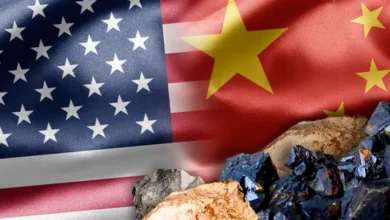
    US President Donald Trump has authorized tech giant Nvidia to export its H200 processors to China, marking a significant shift in U.S. trade policy regarding advanced technology. This decision comes with a 25% tariff on shipments, aiming to balance national security concerns with the economic interests of American companies. Trump’s announcement, made via Truth Social, has positively impacted Nvidia’s stock, which saw a notable increase following the news. The U.S. Commerce Department is finalizing the details of this arrangement, which may also extend to other AI chip manufacturers.

    Details of the Export Approval

    The Trump administration’s decision to allow Nvidia to sell its H200 processors to China has sparked discussions about the future of American technology in the global market. The H200 chips are Nvidia’s second-best AI processors, and their export is seen as a way to maintain a competitive edge in the AI sector. While the U.S. government has imposed a 25% tariff on these exports, specifics regarding the quantity and conditions of the shipments remain unclear. Trump emphasized that the exports would proceed under conditions that ensure strong national security, reflecting a cautious approach to U.S.-China technology relations.

    Nvidia’s stock experienced a 2% rise in after-hours trading following the announcement, building on a 3% gain during regular trading hours. The White House confirmed that the 25% fee would be applied as an import duty when the chips are transported from Taiwan to the U.S. for security assessments before heading to China. This move is viewed as a compromise, allowing some level of American chip presence in China while restricting the export of Nvidia’s latest technology, including the more advanced Blackwell chips.

    Concerns Over National Security

    Security experts have raised alarms about the implications of exporting advanced AI chips to China, fearing that such technology could bolster China’s military capabilities. This concern was a significant factor behind the Biden administration’s earlier export restrictions. Eric Hirschhorn, a former official at the Commerce Department, criticized the decision, stating that it undermines longstanding policies aimed at preventing assistance to China’s military modernization.

    Research from the Institute for Progress indicates that the H200 chips could provide nearly six times the processing power of the currently permitted H20 chips in China. This enhancement raises concerns among lawmakers, with several Democratic senators labeling the decision a “colossal economic and national security failure.” They argue that it could inadvertently support China’s industrial and military advancements. Additionally, House China Select Committee Chairman John Moolenaar expressed worries about the potential military and surveillance applications of these chips.

    China’s Strategic Shift

    In light of the U.S. approval for Nvidia’s H200 exports, China is actively seeking to diversify its technology sources. Chinese regulators have previously raised concerns about security vulnerabilities in Nvidia’s H20 chips, which the company has contested. Reports suggest that Beijing has advised its technology firms against purchasing modified Nvidia chips, indicating a strategic shift towards reducing reliance on U.S. technology.

    The timing of this policy revision coincides with the U.S. Justice Department’s revelation of a smuggling operation involving approximately $160 million worth of restricted Nvidia chips. Experts believe that despite the U.S. decision, Chinese organizations will likely continue to seek H200 chips due to their superior performance compared to domestic alternatives. China’s domestic AI chip sector includes major players like Huawei Technologies, which has unveiled a three-year strategic plan to enhance its capabilities, alongside smaller firms such as Cambricon and Moore Threads.

    Disclaimer: Digihunt is not a financial advisor and this is not investment advice.

  • Trump Mulls Extra Tariffs on Indian Rice: What It Means for India and US Consumers

    Trump Mulls Extra Tariffs on Indian Rice: What It Means for India and US Consumers

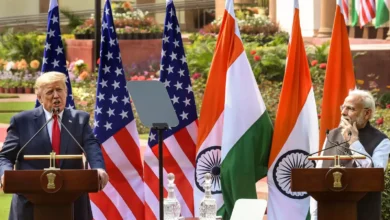
    US President Donald Trump has issued a warning about potential new tariffs on Indian rice, asserting that India should not be “dumping” its rice into the American market. During a recent roundtable discussion at the White House, Trump mentioned he would “take care” of the situation, indicating that tariffs could serve as a simple solution. This announcement follows the Trump administration’s earlier imposition of a substantial 50% tariff on Indian goods, one of the highest rates faced by any exporting country to the US.

    Trump’s Latest Warning on Tariffs on Indian Rice

    In the roundtable, Trump scrutinized India’s trade practices and specifically inquired about tariffs on rice. He questioned Treasury Secretary Scott Bessent regarding any exemptions for India, to which Bessent stated that negotiations over a trade deal are still ongoing. Trump expressed his concerns over “dumping,” indicating he had received similar feedback from multiple sources. His remarks coincided with an ongoing case at the World Trade Organization addressing India’s trade practices. This reflects a broader strategy aimed at rectifying trade imbalances, particularly as he seeks support from American farmers ahead of the elections.

    Implications of Trump’s Tariff Threat for India

    Ajay Srivastava, founder of the Global Trade Research Initiative (GTRI), suggests that Trump’s threats might be politically motivated rather than economically driven. He pointed out that India exported approximately $392 million worth of rice to the US in the fiscal year 2025, accounting for only 3% of its total rice exports. The majority of these exports consist of premium basmati rice, already facing tariffs of around 53% in the US market. Srivastava argues that any new tariffs would likely affect Indian exporters minimally, as they have successfully developed strong markets in other regions. However, he cautions that such tariffs would raise costs for American consumers, making rice more expensive in the US.

    Response from the Indian Rice Exporters Federation

    In response to Trump’s statements, the Indian Rice Exporters Federation (IREF) issued a clarification regarding the dynamics of the Indo-US rice trade. Dev Garg, Vice President of IREF, highlighted the resilience and international competitiveness of the Indian rice export sector. He mentioned that while the US is an important market, Indian rice exports enjoy a well-diversified presence globally. For the fiscal year 2024-2025, India exported Basmati rice worth $337.10 million to the US, making it the fourth-largest market for Indian Basmati. Garg emphasized that the demand for Indian rice is largely driven by ethnic populations in the US, especially for traditional dishes that utilize Basmati rice.

    Market Dynamics and Consumer Impact

    Consumption patterns in the US reveal that Indian rice is predominantly bought by Gulf and South Asian communities, with an increasing interest in Indian cuisine. The IREF noted that rice cultivated in the US does not replicate the unique qualities of Indian Basmati, renowned for its distinctive aroma and texture. Before the recent tariff hike, Indian rice imports were subject to a 10% tariff, which has now escalated to 50%. Nevertheless, Indian rice exports have persisted, underscoring the product’s significance to American consumers. Market insights indicate that the increased tariff burden is primarily falling on US consumers, who are now facing higher retail prices, while Indian exporters continue to maintain stable revenue levels.

    Digihunt is not a financial advisor and this is not investment advice.

  • Trump Pledges  Billion to Support Farmers as US Administration Announces Relief Package

    Trump Pledges $12 Billion to Support Farmers as US Administration Announces Relief Package

    US President Donald Trump has announced a substantial $12 billion relief package aimed at supporting American farmers experiencing financial challenges due to the ongoing trade war with China. This announcement came during a roundtable meeting at the White House, featuring key figures from the agricultural sector, including Agriculture Secretary Brooke Rollins and lawmakers from farming states. Farmers expressed appreciation for the support, viewing it as an essential lifeline amid increasing production costs and declining crop sales.

    Details of the Relief Package

    The relief package is composed of $11 billion earmarked for one-time payments to row-crop producers and an additional $1 billion dedicated to supporting specialty crops. These funds are expected to reach farmers before the end of February. Trump noted that the financing would be drawn from tariff revenues, stating, “We looked at how they were hurt, to what extent they were hurt.” The payments will be calculated using a USDA formula that factors in estimated production costs, capped at $155,000 per farm or individual. Importantly, the program excludes individuals earning over $900,000 annually, a move intended to prevent larger commercial farms from receiving disproportionate payouts—a topic that had generated controversy during Trump’s previous term.

    The political implications of this relief package are noteworthy, as farmers have long been a crucial support base for Trump. However, the volatility associated with his tariff policies has led to growing dissatisfaction within the agricultural community. The White House is presenting this relief initiative as part of a broader strategy to bolster Trump’s economic management, especially as he prepares to tackle affordability concerns in Pennsylvania.

    Impact of Trade War on Soybean Purchases

    The trade conflict with China has had a significant impact on soybean and sorghum farmers, given that over half of their annual production is typically exported, primarily to China. Following discussions between Trump and Chinese President Xi Jinping, China promised to purchase at least 12 million metric tonnes of US soybeans by year-end and 25 million metric tonnes annually over the next three years. However, since this announcement, China has only procured about 2.8 million metric tonnes, well below expectations. Treasury Secretary Scott Bessent has assured that China is still expected to meet its targets, though later than initially planned.

    The scale of the $12 billion aid package is comparable to the total value of US soybean exports to China projected for 2024, underscoring the critical nature of this support for American farmers. Ongoing uncertainty regarding trade relations and market access continues to challenge the agricultural sector.

    Farmers’ Perspectives on Government Support

    While farmers welcome the government assistance, many highlight that it does not address the underlying issues of rising costs and unpredictable markets. Trump had previously sanctioned over $22 billion in farming aid in 2019 and nearly $46 billion in 2020, which included pandemic-related support. Farmers like Caleb Ragland, president of the American Soybean Association, advocate for sustainable funding opportunities and market stability to secure their livelihoods.

    The situation is particularly tough for farmers who rent their land, as they often lack the equity necessary to access loans. This vulnerability raises concerns about increased consolidation in the industry if smaller producers fail to endure the current economic pressures. Farmers like Robb Ewoldt are exploring alternative income sources to cope with financial strain, while others remain hopeful that established farms will endure due to their equity and resilience.

    Investigating Food Supply Chain Pricing

    As beef prices surge, Trump is facing mounting pressure to tackle the issue. He has accused foreign-owned meat packers of artificially inflating prices and has called for an investigation by the Department of Justice. Recently, he signed an executive order directing both the Justice Department and the Federal Trade Commission to investigate potential anti-competitive practices within food supply chains, encompassing sectors like fertilizer, seed, and equipment.

    This executive action demonstrates the administration’s commitment to scrutinizing pricing practices that may be adversely affecting farmers and consumers. As the agricultural sector navigates these hurdles, the focus remains on identifying solutions that ensure fair pricing and support for American farmers.

    Digihunt is not a financial advisor, and this is not investment advice.

  • InterGlobe Shares Drop 17% in 8 Days Following IndiGo Disruptions

    InterGlobe Shares Drop 17% in 8 Days Following IndiGo Disruptions

    Shares of InterGlobe Aviation, the parent company of IndiGo, have seen a notable decline, plummeting nearly 17% over the past week. This downturn follows significant flight disruptions due to newly implemented pilot duty regulations. The airline faced operational hurdles, leading to the cancellation of over 1,000 flights in one day, marking the highest daily cancellations ever recorded by an Indian airline. As the situation evolves, IndiGo has recognized the impact of these changes and is responding to regulatory scrutiny.

    Flight Disruptions and Stock Decline
    InterGlobe Aviation’s stock price dropped from ₹5,917 to approximately ₹4,913. The operational difficulties arose from the introduction of revised Flight Duty Time Limitations (FDTL), leading to extensive delays and cancellations. The Directorate General of Civil Aviation (DGCA) reported that over 2,000 flights were canceled in the past week alone. IndiGo acknowledged these challenges, citing “minor” technical glitches that exacerbated the operational strain. In response to the DGCA’s show-cause notice, IndiGo submitted a formal explanation, demonstrating its commitment to resolving the issues.

    Mutual Fund Holdings Amidst Market Turmoil
    Despite the stock’s recent downturn, mutual funds maintain substantial investments in InterGlobe Aviation. As of October, mutual fund schemes collectively owned nearly 6 crore shares of the airline, with an estimated value of around ₹38,226 crore. A total of 43 mutual fund houses have included this stock in their portfolios, with ICICI Prudential Mutual Fund being the largest shareholder, holding about 1.19 crore shares worth roughly ₹6,718 crore. Other prominent holders include SBI Mutual Fund and HDFC Mutual Fund, possessing 88.22 lakh and 78.05 lakh shares, respectively. This continued investment from mutual funds indicates a level of confidence in the airline’s long-term outlook, despite its current operational challenges.

    Regulatory Scrutiny and Future Outlook
    The ongoing review by DGCA of IndiGo’s response to the operational disruptions emphasizes the regulatory body’s commitment to ensuring compliance in the aviation sector. IndiGo’s admission that a combination of new duty-time regulations and technical issues contributed to its operational strain has raised concerns about the airline’s ability to effectively manage flight schedules. The airline faces pressure to implement corrective measures and restore operational reliability. IndiGo’s future will hinge on how adeptly it addresses these challenges and communicates its plans to both regulators and the flying public.

    Market Reactions and Investor Sentiment
    The sharp decline in InterGlobe Aviation’s stock has stirred discussions among investors about the airline’s resilience amid operational setbacks. Although the immediate impact on stock prices is negative, the significant holdings by mutual funds reflect a belief in the company’s potential for recovery. Investors are closely watching IndiGo’s response to DGCA inquiries and its strategy to navigate the ongoing turbulence. As developments unfold, market sentiment will likely fluctuate based on IndiGo’s operational adjustments and the broader implications for the Indian aviation industry.

    Digihunt is not a financial advisor and this is not investment advice.

  • IMF Approves .2 Billion for Pakistan to Support Macroeconomic Stability

    IMF Approves $1.2 Billion for Pakistan to Support Macroeconomic Stability

    The International Monetary Fund (IMF) has sanctioned a crucial disbursement of around $1.2 billion to Pakistan, bringing the total financial aid under its Extended Fund Facility and Resilience and Sustainability Facility to approximately $3.3 billion. This decision, made during a meeting of the IMF Executive Board in Washington, is a testament to Pakistan’s ongoing commitment to macroeconomic reforms. The country continues to depend heavily on external financing, especially after narrowly averting default in 2023, aided by a significant $7 billion IMF bailout earlier this year.

    IMF Support Amid Economic Challenges

    The IMF’s recent green light comes at a pivotal moment for Pakistan, which is currently facing severe economic hurdles. Following Argentina and Ukraine, Pakistan has become one of the largest borrowers from the IMF. In addition to IMF support, Pakistan has secured a 10-year financing arrangement worth $20 billion with the World Bank, initiated in January. This financial backing is crucial as Pakistan navigates a complex economic landscape characterized by inflation and external pressures.

    IMF Deputy Managing Director Nigel Clarke noted that Pakistan’s policy implementation remains aligned with the program goals despite substantial challenges, including the devastating floods during the recent monsoon season, which resulted in over 1,000 fatalities by September. The government’s commitment to fiscal stability and emergency assistance has bolstered its credibility in fiscal policy.

    Fiscal Performance and Inflation Concerns

    The IMF’s review highlighted Pakistan’s fiscal performance, indicating a primary surplus of 1.3% of GDP for the fiscal year 2025, meeting program expectations. The country’s gross reserves have improved, reaching $14.5 billion at the end of FY25, up from $9.4 billion the previous year. The IMF anticipates further growth in these reserves through FY26 and beyond.

    Nonetheless, inflation remains a pressing issue, worsened by food price spikes linked to the recent floods. While the IMF described the inflationary pressure as temporary, it acknowledged the necessity for sustained reform efforts to ensure medium-term growth driven by the private sector. Clarke emphasized that advancing reforms in tax policy and broadening the tax base are vital for enhancing fiscal resilience, crucial for investments in social protection, climate adaptation, and public infrastructure.

    Energy Sector Reforms and Climate Resilience

    Clarke underscored the importance of reforms in Pakistan’s energy sector, noting that these changes are essential to improve the country’s competitiveness and protect the viability of its energy resources. Adjustments to power tariffs have helped mitigate the circular debt issue, but more steps are required to reduce electricity production and distribution costs and address inefficiencies in both the power and gas sectors.

    The IMF’s Resilience and Sustainability Facility (RSF) tranche is aimed at strengthening Pakistan’s disaster preparedness and resilience framework. This support is designed to enhance the country’s response to natural disasters, optimize water resource management, and incorporate climate considerations into project selection and budgeting. The recent floods underscored the urgency of accelerating climate reforms, and the IMF has recognized that Pakistan is making progress in these areas with RSF assistance.

    Governance Reforms and Future Outlook

    The IMF welcomed the publication of the Governance and Corruption Diagnostic Assessment, viewing it as a significant milestone toward accelerating governance reforms in Pakistan. This initiative is expected to enhance transparency and accountability within the government, which is vital for fostering a stable economic environment.

    As Pakistan moves forward with necessary reforms, the IMF’s support will be crucial in navigating the upcoming challenges. The emphasis on fiscal stability, energy sector reforms, and climate resilience will be important for the country’s long-term economic growth and sustainability. The commitment to these reforms is anticipated to not only stabilize the economy but also improve Pakistan’s readiness to tackle future challenges effectively.

    Digihunt is not a financial advisor and this is not investment advice.