Trump Pledges $12 Billion to Support Farmers as US Administration Announces Relief Package

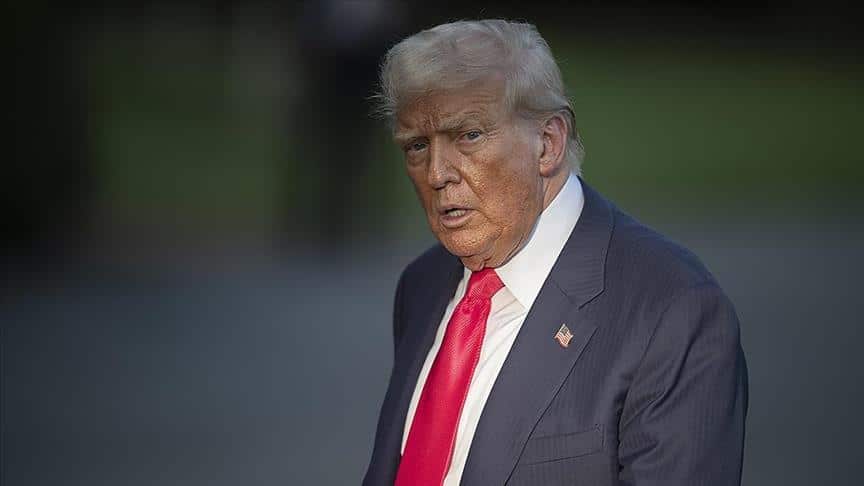
US President Donald Trump has announced a substantial $12 billion relief package aimed at supporting American farmers experiencing financial challenges due to the ongoing trade war with China. This announcement came during a roundtable meeting at the White House, featuring key figures from the agricultural sector, including Agriculture Secretary Brooke Rollins and lawmakers from farming states. Farmers expressed appreciation for the support, viewing it as an essential lifeline amid increasing production costs and declining crop sales.
Details of the Relief Package
The relief package is composed of $11 billion earmarked for one-time payments to row-crop producers and an additional $1 billion dedicated to supporting specialty crops. These funds are expected to reach farmers before the end of February. Trump noted that the financing would be drawn from tariff revenues, stating, “We looked at how they were hurt, to what extent they were hurt.” The payments will be calculated using a USDA formula that factors in estimated production costs, capped at $155,000 per farm or individual. Importantly, the program excludes individuals earning over $900,000 annually, a move intended to prevent larger commercial farms from receiving disproportionate payouts—a topic that had generated controversy during Trump’s previous term.
The political implications of this relief package are noteworthy, as farmers have long been a crucial support base for Trump. However, the volatility associated with his tariff policies has led to growing dissatisfaction within the agricultural community. The White House is presenting this relief initiative as part of a broader strategy to bolster Trump’s economic management, especially as he prepares to tackle affordability concerns in Pennsylvania.
Impact of Trade War on Soybean Purchases
The trade conflict with China has had a significant impact on soybean and sorghum farmers, given that over half of their annual production is typically exported, primarily to China. Following discussions between Trump and Chinese President Xi Jinping, China promised to purchase at least 12 million metric tonnes of US soybeans by year-end and 25 million metric tonnes annually over the next three years. However, since this announcement, China has only procured about 2.8 million metric tonnes, well below expectations. Treasury Secretary Scott Bessent has assured that China is still expected to meet its targets, though later than initially planned.
The scale of the $12 billion aid package is comparable to the total value of US soybean exports to China projected for 2024, underscoring the critical nature of this support for American farmers. Ongoing uncertainty regarding trade relations and market access continues to challenge the agricultural sector.
Farmers’ Perspectives on Government Support
While farmers welcome the government assistance, many highlight that it does not address the underlying issues of rising costs and unpredictable markets. Trump had previously sanctioned over $22 billion in farming aid in 2019 and nearly $46 billion in 2020, which included pandemic-related support. Farmers like Caleb Ragland, president of the American Soybean Association, advocate for sustainable funding opportunities and market stability to secure their livelihoods.
The situation is particularly tough for farmers who rent their land, as they often lack the equity necessary to access loans. This vulnerability raises concerns about increased consolidation in the industry if smaller producers fail to endure the current economic pressures. Farmers like Robb Ewoldt are exploring alternative income sources to cope with financial strain, while others remain hopeful that established farms will endure due to their equity and resilience.
Investigating Food Supply Chain Pricing
As beef prices surge, Trump is facing mounting pressure to tackle the issue. He has accused foreign-owned meat packers of artificially inflating prices and has called for an investigation by the Department of Justice. Recently, he signed an executive order directing both the Justice Department and the Federal Trade Commission to investigate potential anti-competitive practices within food supply chains, encompassing sectors like fertilizer, seed, and equipment.
This executive action demonstrates the administration’s commitment to scrutinizing pricing practices that may be adversely affecting farmers and consumers. As the agricultural sector navigates these hurdles, the focus remains on identifying solutions that ensure fair pricing and support for American farmers.
Digihunt is not a financial advisor, and this is not investment advice.