Category: Business

Business News: Get latest stock share market news, financial news, economy news, company news, politics news, India news, breaking news, Indian economy news.

  • HSBC Maintains ‘Buy’ Rating for InterGlobe Aviation, Sees No Major Impact from IndiGo Issues

    HSBC Maintains ‘Buy’ Rating for InterGlobe Aviation, Sees No Major Impact from IndiGo Issues

    Worried about your investment in InterGlobe Aviation following IndiGo’s recent operational turmoil? HSBC has reassured investors to remain optimistic, stating that despite the recent chaos, the airline’s long-term outlook remains intact. The brokerage acknowledged the significant disruptions but emphasized that the airline’s core fundamentals are still strong, although upcoming quarters may reflect increased costs and operational challenges.

    Stock Price Adjustments

    In a recent report, HSBC Global Investment Research revised its price target for InterGlobe Aviation, lowering it from Rs 6,920 to Rs 5,977. This adjustment reflects the impact of rising costs, flight cancellations, and currency fluctuations on the airline’s financial performance. Despite this change, HSBC has maintained its ‘Buy’ recommendation for the stock. The firm noted that while IndiGo is currently facing considerable challenges, including mass cancellations and some reputational damage, it continues to hold a competitive cost advantage over its rivals. The brokerage highlighted that IndiGo has canceled approximately 11,000 flights this fiscal year, resulting in an estimated revenue loss of Rs 12–14 billion and a profit reduction of Rs 3–5 billion. Consequently, HSBC has adjusted its EBITDA forecasts for FY26 and FY27 downward by 4% and 5%, respectively.

    IndiGo’s Operational Challenges

    HSBC pointed out that the airline’s operational crisis was exacerbated by new Flight Duty Time Limitations (FDTL) imposed by the Directorate General of Civil Aviation (DGCA). These updated regulations are stricter than those in the US and Europe, requiring longer rest periods for pilots and limiting night operations. IndiGo, which relies on high aircraft utilization and lean staffing, has been particularly affected, leading to the cancellation of nearly 4,500 flights in just a few days. The brokerage also noted that previous mismanagement in pilot recruitment during IndiGo’s rapid fleet expansion may have contributed to the current operational strain. Compliance with the new regulations could necessitate a significant increase in pilot hiring, potentially adding Rs 450 million to Rs 900 million to staffing costs. The airline’s recent cancellations included over 1,000 flights in a single day, marking a historic low for India’s aviation sector. The DGCA is currently reviewing IndiGo’s explanation for these disruptions and may take enforcement action.

    Market Share Concerns

    IndiGo’s dominant position in the domestic aviation market has raised concerns among investors about potential government intervention, such as imposing a 50% market-share cap. However, HSBC believes such measures are unlikely, citing the slow growth of competitors like Air India, SpiceJet, and Akasa, which are gradually expanding their fleets. IndiGo continues to receive approximately 50 new aircraft annually, suggesting that a market cap could disrupt overall industry capacity. The brokerage’s analysis indicates that while IndiGo’s market share is substantial, the competitive landscape remains stable, allowing the airline to maintain its leading position.

    Signs of Recovery

    Despite the recent upheaval, IndiGo is beginning to stabilize its operations. On a recent Monday, the airline successfully operated over 1,800 flights, with on-time performance improving significantly to 91%, up from around 75% the previous day. However, the airline still canceled 562 flights that day, including 150 in Bengaluru. To address the fallout from the disruptions, IndiGo has issued Rs 827 crore in refunds, secured over 9,500 hotel rooms for affected passengers, and arranged transportation for stranded travelers. HSBC remains optimistic about IndiGo’s long-term prospects, asserting that while the recent events have exposed certain weaknesses, such as scheduling and staffing issues, the airline’s overall investment case remains robust. With a significant cost advantage and a slow expansion rate among competitors, IndiGo’s network scale continues to be a critical asset.

    Digihunt is not a financial advisor and this is not investment advice.

  • Gold and Silver Price Trends: Today’s Forecast and Insights

    Gold and Silver Price Trends: Today’s Forecast and Insights

    Gold prices have shown stability this week, hovering around $4,200 per ounce as traders anticipate the U.S. Federal Reserve’s upcoming policy meeting. Analysts suggest that while significant increases in gold prices may not be expected, silver could soon reach new all-time highs. The Fed’s decisions regarding interest rates will play a crucial role in influencing the bullion market in the upcoming days.

    Gold Market Stability Amid Fed Speculation
    Gold prices have remained relatively unchanged over the past week, maintaining a steady position close to $4,200 per ounce. This stability is observed as traders wait for the Federal Reserve’s final policy meeting of the year, where a reduction in interest rates is broadly expected. Current market conditions indicate an 88-90% probability of a 25 basis points cut in the federal funds rate, currently set between 3.75% and 4.0%. Analysts believe this anticipated rate cut is already priced into gold, limiting potential sharp increases.

    Additionally, traders are monitoring the Fed’s economic projections for 2026 and beyond. Any hawkish comments from the Fed chair could introduce volatility in the bullion market. Mixed employment data and core inflation figures aligning with expectations have further reinforced the case for easing monetary policy. As the market braces for the Fed’s decisions, the outlook for gold remains cautious, with limited upside potential expected.

    China’s Growing Gold Reserves
    On an international scale, China’s central bank has consistently increased its gold reserves for the 13th consecutive month, now holding approximately 74.12 million troy ounces. This accumulation reflects a strategic move to fortify its financial position amidst global economic uncertainties.

    The geopolitical environment also impacts the gold market. The recent escalation of conflict in Ukraine, particularly Russia’s extensive missile and drone attacks on Ukrainian energy infrastructure, has raised tensions and heightened demand for safe-haven assets like gold. The ongoing sluggish progress in peace talks between Russia and Ukraine further boosts gold’s appeal as a secure investment during turbulent times.

    Silver Prices Near Record Highs
    Silver is also gaining attention, remaining close to its all-time high despite some profit-taking by traders at the week’s start. Recently, silver-backed exchange-traded funds saw significant activity, adding nearly 590 tons, indicating strong investor confidence in the metal’s potential for further gains. Presently, silver prices are just a dollar away from the record of $59.3336 per ounce reached last week.

    The silver market is still feeling the effects of a historic short squeeze in London, which has kept lease rates elevated at around 6%. Despite a record influx of silver into the trading hub, inventories in Shanghai are at their lowest levels in a decade. This reduction in supply is likely to support silver prices as demand continues to exceed available stock.

    Future Outlook for Gold and Silver
    Looking forward, the upcoming Federal Reserve meeting is expected to be pivotal for both gold and silver markets. While gold may not experience significant upward movement due to anticipated rate cuts already factored in, silver appears to have a more positive outlook. Indications of an industrial deficit may persist into the next year, providing a supportive backdrop for silver prices.

    Recent U.S. macroeconomic data has largely been favorable for gold, with consumer spending showing moderate growth in September. Nonetheless, concerns regarding the labor market and rising living costs could weigh on demand. As investors prepare for potential volatility following the Fed meeting, silver is expected to remain a focal point, with many anticipating new highs in the weeks to come.

    Digihunt is not a financial advisor and this is not investment advice.

  • Trump Discusses Affordability Issues, Promises Price Cuts Amid Criticism from Democrats

    Trump Discusses Affordability Issues, Promises Price Cuts Amid Criticism from Democrats

    US President Donald Trump addressed concerns about affordability during a campaign rally in Mount Pocono, Pennsylvania. He asserted that consumer prices have significantly decreased and dismissed Democratic critiques of inflation as a “hoax.” This rally marked a departure from his usual communication style, as he engaged directly with supporters in a lively atmosphere, highlighting his administration’s efforts to address rising living costs.

    Trump’s Economic Claims

    At the rally, Trump claimed that prices are falling sharply, stating, “Prices are coming down tremendously from the highest prices in the history of our country.” These comments followed similar assertions made at the White House, where he emphasized that his administration is actively working to reduce prices. Trump attributed the current affordability crisis to Democratic policies, claiming he is working to rectify the situation. This rhetoric comes at a challenging time for Trump, as recent surveys indicate a decline in public confidence regarding his economic management. Only 33% of American adults expressed approval of his handling of the economy, according to a November survey by the Associated Press-NORC Center for Public Affairs Research.

    Despite Trump’s assertions, economic indicators present a mixed picture. While he has promised to lower prices quickly, inflation remains a pressing issue. Following the introduction of his “Liberation Day” tariffs in April, businesses cautioned that these import taxes could lead to increased consumer prices and reduced hiring. Trump has consistently blamed his predecessor, Joe Biden, for the ongoing economic challenges, even as his administration faces scrutiny over its policies.

    Voter Sentiment in Key Regions

    Trump’s rally took place in Monroe County, which previously supported Biden in the 2020 election but has shifted towards Trump in the current political climate. Known for its tourism-driven economy, Monroe County is becoming increasingly attractive to individuals priced out of New York City. As the 2024 elections approach, this region is expected to play a crucial role in determining control of the US House of Representatives. The rally’s indoor setting marked a shift from the larger venues Trump utilized in past campaigns, reflecting a more focused approach to connect with local voters.

    The district is currently represented by Republican Rob Bresnahan, who narrowly won his 2024 House race by just 1.5 percentage points. This makes him a key target for Democrats, including Scranton Mayor Paige Cognetti, who is among those looking to challenge him. The dynamics in this region will be closely monitored as both parties gear up for the upcoming elections.

    Mixed Economic Indicators

    Despite ongoing challenges, Trump has continued to promote a positive view of the economy. In a recent Politico podcast, he rated the economy as “A-plus,” later amplifying that to “A-plus-plus-plus-plus-plus.” He cited relaxed auto fuel efficiency standards and agreements aimed at lowering prescription drug prices as evidence of his administration’s efforts to alleviate consumer pressures. Additionally, Trump has argued that significant cuts to the Federal Reserve’s benchmark interest rate would help reduce costs for mortgages and auto loans.

    However, many households report that the rising costs of housing, groceries, electricity, and education are eroding their financial stability. While national indicators show some positive trends, such as a rising stock market and solid economic growth in the third quarter, the reality for many Americans remains challenging. The administration asserts that inflation will ease in the coming year, partly due to investments in artificial intelligence and manufacturing. Trump has repeatedly claimed that concerns about affordability are exaggerated for political gain, asserting that his past actions demonstrate a genuine commitment to addressing these issues.

    Digihunt is not a financial advisor and this is not investment advice.

  • NSE’s 15-Minute Adjustment: A New Benefit for F&O Traders in India

    NSE’s 15-Minute Adjustment: A New Benefit for F&O Traders in India

    At 9:01 AM on Monday, a significant change occurred on the National Stock Exchange (NSE) with the launch of a new 15-minute pre-open session for equity derivatives. This shift marks the first instance where traders will engage with a call auction screen prior to accessing live futures prices at the opening bell. The NSE’s initiative aims to enhance stability, transparency, and fairness in a market that has witnessed explosive growth, particularly among retail traders who often lack adequate risk management skills.

    Understanding the New Pre-Open Session

    The NSE’s pre-open session for equity derivatives will run from 9:00 AM to 9:15 AM every trading day, aligning with the existing pre-open for cash equity. This session allows traders to place, modify, or cancel orders in a structured manner before the market opens for continuous trading. Its primary goal is to establish a fair and efficient price discovery mechanism, ensuring that all participants can engage equally. This is particularly vital as nearly 60% of global equity derivatives contracts are now traded in India, primarily by retail investors.

    During the pre-open session, the trading process is divided into three phases: from 9:00 AM to 9:08 AM, traders can enter and modify their orders. A random close occurs between 9:07 AM and 9:08 AM to prevent manipulation. From 9:08 AM to 9:15 AM, the system matches buy and sell orders to determine an equilibrium price. This structured approach aims to minimize order imbalances and stabilize opening prices, which have been a concern in the fast-paced derivatives market.

    Reasons Behind the Change

    The introduction of the pre-open session stems from growing concerns regarding the rapid increase in derivatives trading, especially among retail traders engaging in ultra-short-dated options. The Securities and Exchange Board of India (Sebi) has highlighted the risks associated with this trend, noting that in FY25, 91% of individual traders in the equity derivatives segment reported losses totaling ₹1.05 lakh crore. This alarming statistic underscores the urgent need for reforms to protect retail investors from excessive volatility and potential financial ruin.

    In response to these challenges, Sebi has implemented several measures, such as limiting the number of weekly expiries and standardizing expiry days. The pre-open auction is viewed as a continuation of these reforms, aimed at enhancing market safety and reducing volatility at the start of each trading day. By providing a structured environment for price discovery, the NSE aims to create a more stable trading atmosphere for all participants.

    Expected Benefits and Reactions

    The new pre-open session is expected to offer several advantages, including stabilizing opening prices, preventing erratic trades, and leveling the playing field for all market participants. By ensuring that all traders have access to the same indicative prices, the NSE aims to lessen the advantages held by high-frequency trading algorithms during the opening moments. This approach could foster more orderly price formation and improved market conditions for retail traders.

    Reactions from traders and brokers have varied. Institutional traders and high-frequency trading desks were informed in advance and participated in mock sessions to prepare for the change. For larger traders, transitioning involves updating systems and recalibrating models. However, smaller retail traders may feel a more significant behavioral impact, being encouraged to focus on indicative auction prices rather than rushing into trades. While some express optimism about increased price stability, others are concerned that the new system could be exploited for speculative purposes.

    Looking Ahead: The Future of the Market

    As the NSE rolls out this historic change, all stakeholders—including traders, brokers, and regulators—will closely monitor its impact on market dynamics. The success of the pre-open session will depend on its effectiveness in reducing volatility and preventing disruptive trades. While the initiative aims to create a safer trading environment for retail participants, it is not a panacea for the underlying issues that contribute to trading losses.

    Overall, the pre-open auction represents a shift toward a more sustainable model in India’s derivatives market. It reflects a growing recognition of the need to balance high trading volumes with the protection of retail investors from the risks associated with excessive speculation. As traders adapt to this new structure, the focus will shift towards fostering better-informed trading practices and enhancing financial literacy among participants.

    Digihunt is not a financial advisor and this is not investment advice.

  • BlackRock to Invest Heavily in Birla’s Renewable Energy Sector

    BlackRock to Invest Heavily in Birla’s Renewable Energy Sector

    BlackRock Invests ₹3,000 Crore in Aditya Birla Group’s Clean Energy

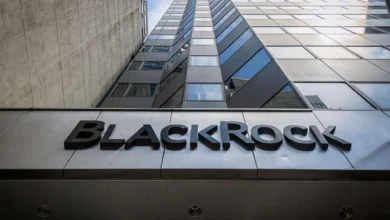
    BlackRock, a prominent global asset management firm, has made a substantial investment of ₹3,000 crore in the renewable energy sector of the Aditya Birla Group. This investment will secure a minority stake in the group’s clean energy business, valued at ₹14,600 crore. The decision highlights the growing interest from investors in India’s expanding clean energy market, echoing similar strategies observed among major conglomerates like Tata and Adani Groups.

    Investment Details and Market Context

    The investment by BlackRock marks a crucial moment for Aditya Birla Group’s renewable energy initiatives. The group has been actively working to broaden its presence in the clean energy sector, which has attracted various global investors. Earlier, Qatar’s Nebras Power expressed interest in acquiring a 49% stake in Aditya Birla Renewables, but that deal did not succeed. Other significant investors, including Alberta Investment Management Corporation and BlackRock Global Infrastructure Partners, have also shown interest in the firm. The formal agreement between BlackRock and Aditya Birla Group signifies a vital step forward in the group’s renewable energy strategy.

    Aditya Birla Renewables currently holds a diverse portfolio of 4.3 gigawatts (GW) of energy capacity across ten states in India. This portfolio comprises solar, wind, hybrid, and floating solar projects, positioning the company as a significant player in the Indian renewable energy landscape. The investment from BlackRock is anticipated to enhance the group’s capabilities and accelerate its growth trajectory in this sector.

    Strategic Growth and Future Plans

    Aditya Birla Group has successfully attracted notable private equity investors across various sectors. These partnerships include Advent International and PremjiInvest in Aditya Birla Capital, GIC of Singapore in Aditya Birla Fashion & Retail, and the Abu Dhabi Investment Authority in Aditya Birla Health Insurance. Such investments exemplify the group’s strategy of leveraging private capital for growth while maintaining operational control over its businesses.

    Kumar Mangalam Birla, chairman of Aditya Birla Group, emphasized the importance of BlackRock’s investment, calling it a pivotal milestone in the company’s growth journey. He highlighted that this partnership will lay a solid foundation for the accelerated development of their renewable energy platform, with a goal of exceeding 10 GW of capacity in the upcoming years. Birla also noted BlackRock’s global expertise in managing sophisticated energy assets, which will bolster the group’s ambitions in the renewable sector.

    Broader Implications for India’s Renewable Energy Sector

    BlackRock’s investment is indicative of a broader trend of increasing foreign investment in India’s renewable energy sector. As the nation focuses on transitioning to cleaner energy sources, the involvement of major global players like BlackRock signifies confidence in India’s growth potential in this area. The Indian government has established ambitious targets for renewable energy capacity, aiming for 500 GW by 2030, which offers substantial opportunities for both domestic and international investors.

    The collaboration between Aditya Birla Group and BlackRock is expected to encourage further investment in the sector. As more companies aim to leverage the growing demand for renewable energy, the inflow of capital is likely to expedite the development of innovative projects and technologies. This investment not only propels Aditya Birla’s growth but also contributes to India’s overall energy transition, fostering sustainability and reducing dependency on fossil fuels.

    Digihunt is not a financial advisor and this is not investment advice.

  • Fed’s Decision Ahead: Central Bank Weighs Third Interest Rate Cut

    Fed’s Decision Ahead: Central Bank Weighs Third Interest Rate Cut

    The US Federal Reserve is preparing to lower borrowing costs this week, marking its third rate cut of the year. However, notable divisions among policymakers may hinder future rate adjustments. As the Federal Open Market Committee convenes on December 9-10, analysts are drawing attention to the ongoing challenges posed by persistent inflation, which currently exceeds the Fed’s 2% target, alongside a faltering labor market and increasing unemployment.

    Upcoming Federal Reserve Meeting

    The imminent Federal Reserve meeting unfolds amid economic uncertainty. With inflation still above the central bank’s target, the decision to reduce rates is complicated. Economists predict that Fed Chair Jerome Powell will propose a quarter-point cut. This would constitute the third reduction in 2019, but significant dissent among committee members is anticipated, with reports indicating that up to three officials may oppose the cut. Such dissent could lead to the highest number of opposing votes seen in six years. The Federal Open Market Committee has 19 members, but only 12 vote on rate decisions. Several non-voting officials have also expressed concerns about further easing.

    Economic Indicators and Diverging Opinions

    The current economic landscape is intricate, with conflicting indicators affecting the Fed’s decision-making. While inflationary pressures typically argue against rate cuts, signs of weakness in the labor market indicate a need for monetary easing. The situation is compounded by the absence of timely official data due to an extended government shutdown, which has delayed crucial employment and inflation reports. William English, an economist at Yale, pointed out the challenges of reaching a consensus during such uncertain times, noting that reasonable individuals can draw different conclusions about the best course of action.

    Market Expectations and Future Guidance

    Market expectations for a rate cut have strengthened, especially following remarks from New York Fed President John Williams. He suggested that the recent rise in inflation might be temporary, linked to tariffs, and indicated there remains “room for a further adjustment” in rates. Current indicators show an approximately 89% probability of a rate cut. Economists are now predicting a “hawkish cut,” meaning while the Fed may reduce rates, it will also offer guidance suggesting a pause to evaluate economic conditions. This reflects the Fed’s cautious approach amid ongoing economic fluctuations.

    Political Pressures and Future Outlook

    Chair Jerome Powell’s leadership is under increasing scrutiny as political pressures escalate. President Donald Trump has openly criticized Powell and hinted at appointing a new chair when Powell’s term ends in May. Despite rising unemployment, which hit 4.4% in September, economists warn that any further easing will heavily depend on upcoming economic data. The Fed plans to review a backlog of jobs and inflation reports before its next meeting in January, which could either support further cuts or necessitate a pause in rate adjustments. The results of this upcoming meeting may significantly impact the economic landscape as the Fed navigates these challenging conditions.

    Disclaimer: Digihunt is not a financial advisor and this is not investment advice.

  • Top Stock Picks for December 10, 2025: Key Companies to Consider Now

    Top Stock Picks for December 10, 2025: Key Companies to Consider Now

    According to Mehul Kothari, Deputy Vice President of Technical Research at Anand Rathi Shares and Stock Brokers, investors should consider purchasing shares of Hindustan Copper, Hindustan Petroleum, and Shaily. These stocks are noted for their strong market performance and future growth potential. Kothari provides specific buying ranges, stop-loss levels, and target prices for each stock, suggesting a strategic approach for investors aiming to capitalize on market trends.

    Hindustan Copper: A Promising Investment

    Hindustan Copper has shown strong price behavior after reclaiming the ₹345–350 zone, which was a significant resistance level. The stock is currently hovering near recent highs, indicating renewed buying interest following a substantial period of base formation. The bullish structure features higher highs and higher lows, with prices consistently above key moving averages. The Relative Strength Index (RSI) remains healthy, supporting the likelihood of further upward movement. Investors are advised to consider buying shares in the range of ₹360–₹340, with a stop-loss placed at ₹320 and a target price of ₹410, projected to unfold over 60 to 90 days.

    Hindustan Petroleum: Sustaining Momentum

    Hindustan Petroleum is trading above its previous breakout zone near ₹445, which has now become a strong support area. The stock has seen a controlled pullback while respecting short-term moving averages, indicating that the broader uptrend is intact. The trend structure reflects a consistent pattern of higher highs and higher lows, with momentum stabilizing. As long as the stock remains above ₹445, the outlook remains bullish, with a potential target of ₹515. Investors are encouraged to buy within the range of ₹455–₹445, establishing a stop-loss at ₹416. This investment strategy is also expected to unfold over a time frame of 60 to 90 days.

    Shaily: Long-Term Growth Potential

    Shaily Engineering Plastics is positioned within a strong long-term uptrend and has been consolidating after a notable price increase. The recent correction appears healthy, allowing the stock to build a solid base rather than signaling weakness in the trend. The overall structure favors buyers, supported by moving averages and stabilizing momentum. A sustained close above ₹2600 could trigger the next upward move. Investors seeking a positional opportunity should consider accumulating shares in the range of ₹2525–₹2475, with a stop-loss at ₹2100 and a target price of ₹3300. This investment is projected to unfold over a one-year time frame.

    Disclaimer: Digihunt is not a financial advisor and this is not investment advice.

  • India’s IPO Market:  Billion Yearly Becomes Norm as JP Morgan Predicts Strong Growth Ahead

    India’s IPO Market: $20 Billion Yearly Becomes Norm as JP Morgan Predicts Strong Growth Ahead

    India’s primary market is experiencing a noteworthy transformation, with annual initial public offering (IPO) issuances stabilizing around $20 billion, as reported by JP Morgan. This year, India has already reached $21 billion in IPOs, matching last year’s total, and is projected to surpass $23 billion by year-end. This growth is largely fueled by substantial offerings, such as ICICI Prudential AMC’s planned ₹10,000 crore issue, indicating a promising future for the market.

    IPO Market Dynamics

    Abhinav Bharti, JP Morgan’s head of equity capital markets, noted that the $20 billion annual issuance has become the new standard for India’s IPO market. He expects this figure to establish a consistent annual run rate moving forward. Presently, around 20% of the IPO demand comes from consumer technology and new-age businesses, a share Bharti anticipates could rise to over 30% in the next five years. He also mentioned that approximately 20 startups, valued at hundreds of millions of dollars, are gearing up to enter the market. Among them, four to five companies are expected to launch IPOs exceeding $1 billion, potentially raising a combined total of $8 billion, with two large offerings anticipated from technology-driven firms.

    Valuations and Market Challenges

    Bharti stated that the Indian market has largely overcome previous challenges encountered by new-age businesses, as some recent IPOs are trading at a premium. He attributed this positive trend to private equity investments made in prior years, which have helped maintain a strong pipeline for IPO exits. However, he acknowledged that a key part of recent IPO activity has been driven by offer-for-sale transactions from existing investors. This trend reflects a slowdown in private capital expenditure and a decrease in fundraising through qualified institutional placements (QIPs). Overall, equity capital market activity, including follow-on offerings and institutional placements, has been softer in 2025.

    Equity Issuances and Future Outlook

    JP Morgan forecasts that total equity issuances for 2025 will reach around $65 billion, down from $72 billion in 2024. This decline is primarily due to a significant drop in QIP fundraising, which has fallen to $10 billion this year from over $22 billion last year. Notably, the State Bank of India has contributed $3 billion to this total. Looking ahead, JP Morgan anticipates a resurgence of foreign portfolio flows into Indian markets next year, citing improved valuations. The bank views India as a defensive investment destination for global investors, especially amid the artificial intelligence-driven boom in developed markets.

    Market Capitalization and M&A Activity

    Nitin Maheshwari, co-head of investment banking at JP Morgan, projected that India’s overall market capitalization is set to double to around $10 trillion within the next five years, positioning it as the world’s third-largest market after the United States and China. In the realm of mergers and acquisitions, Maheshwari noted that outbound activity is gaining traction, driven by strong corporate balance sheets, low leverage, and increased confidence among Indian companies. He pointed out that Japan and the Middle East continue to exhibit significant inbound interest, particularly in the financial services sector.

    Digihunt is not a financial advisor and this is not investment advice.

  • Renault and Ford Team Up to Challenge Chinese Automakers in Europe’s Car Market

    Renault and Ford Team Up to Challenge Chinese Automakers in Europe’s Car Market

    Renault and Ford have announced a strategic partnership aimed at developing affordable electric vehicles and commercial vans tailored for the European market. This collaboration arises as both companies confront rising competition from Chinese automakers, which are rapidly increasing their footprint in Europe. Ford CEO Jim Farley stressed the urgency, declaring that traditional manufacturers are in a “fight for our lives” against more affordable electric models. The first compact electric vehicles from this partnership are expected to be available in European showrooms by 2028.

    Details of the Partnership

    According to the agreement, Ford and Renault will co-develop two compact electric vehicles, with the first model set to be produced at a Renault facility in northern France. These vehicles will be smaller than Ford’s current range in the United States, addressing a notable gap in the company’s European offerings. The partnership also encompasses the commercial vehicle sector, where both automakers will work together to develop Renault- and Ford-branded vans specifically designed for the European market. Farley described this collaboration as a strategic initiative to strengthen their standing in the light commercial vehicle segment, asserting that their combined efforts can create a formidable presence that challenges Chinese competitors.

    Market Challenges and Competition

    The European automotive landscape is increasingly competitive, with brands such as BYD, Changan, and Xpeng gaining significant traction. Farley acknowledged that while few Chinese van brands have made headway in Europe, the threat is already noticeable. He mentioned that Ford competes with these brands daily in emerging markets. Renault CEO Francois Provost shared similar concerns, warning that the competition from Chinese manufacturers is intensifying. He conveyed a sense of urgency, noting, “The Chinese will come soon and that’s why I don’t want to wait.” This partnership is perceived as a proactive strategy to enhance their market share amidst growing competition.

    Impact on Ford and Renault

    Ford has been witnessing a decline in its market share in Europe, dropping from 6.1% in 2019 to just 3.3% in the first ten months of this year. This decline has compelled the company to undertake restructuring, including job cuts and the closure of its Saarlouis plant in Germany. The collaboration with Renault is anticipated to relieve some financial pressures by utilizing Renault’s electric vehicle platforms alongside Ford’s designs. This partnership will complement Ford’s existing collaboration with Volkswagen, which also involves the production of electric vehicles and vans.

    For Renault, this partnership is crucial as the company strives to scale its manufacturing during a pivotal period. Being the smallest mainstream automaker in Europe, Renault is actively seeking partnerships to optimize factory usage and minimize costs associated with developing new electric models. The company is also exploring additional collaborations, including plans to produce vehicles in Brazil using platforms developed by China’s Geely.

    Future Aspirations

    Both Ford and Renault are dedicated to showing that Europe can remain competitive in electric vehicle manufacturing. Provost emphasized Renault’s ambition to demonstrate that European production can compete with that of Chinese manufacturers. He remarked, “Our ambition… is to show that in Europe we can produce EV cars in Europe as competitively as anyone, including the Chinese.” This partnership represents a significant advancement for both companies as they navigate the changing automotive landscape and work to secure their positions in the market.

    Digihunt is not a financial advisor and this is not investment advice.

  • RBI’s Plan to Stabilize Currency as VHits at 90 Against US Dollar Amid Market Pressures

    RBI’s Plan to Stabilize Currency as VHits at 90 Against US Dollar Amid Market Pressures

    The Indian rupee is encountering significant challenges as it has recently crossed the 90 mark against the US dollar, marking a new all-time low. The rupee’s depreciation of 4.9% in 2025 positions it as the third-worst performer among major currencies, trailing only the Turkish lira and Argentina’s peso. Notably, this decline is striking, especially since the dollar’s strength has decreased by over 7% during the same timeframe. Contributing factors include an expanding trade deficit, high US tariffs on Indian goods, and foreign capital outflows, compounded by challenges in negotiations with the Trump administration.

    Factors Behind the Rupee’s Decline

    The Indian rupee’s recent struggles can be traced to multiple economic pressures. One primary factor is the widening trade deficit, exacerbated by substantial tariffs imposed by the United States on Indian products. These tariffs, currently standing at 50%, have diminished the competitiveness of Indian exports in the global market. Furthermore, the outflow of foreign capital has weakened the rupee further, as investors seek more stable investment environments. The inability to reach a favorable trade agreement with the US has intensified pressures on the currency, raising concerns among economists and policymakers.

    As the rupee falls below the critical 90 threshold, it now represents only half of its value from 2011. This significant depreciation creates challenges for the Reserve Bank of India (RBI) and government officials tasked with maintaining market stability while allowing for greater flexibility in the currency’s value. The current situation raises alarms about potential financial difficulties reminiscent of past economic crises, necessitating careful management.

    RBI’s Intervention Strategies

    In response to the rupee’s decline, the Reserve Bank of India has implemented a series of intervention strategies aimed at stabilizing the currency. Reports indicate that the RBI has been issuing confidential directives to currency dealers, which vary daily. These instructions may include specific volume-based orders, such as selling $100 million per minute, or adopting more passive strategies depending on prevailing market conditions. This unpredictable approach is a key aspect of the RBI’s strategy to manage the rupee’s downturn.

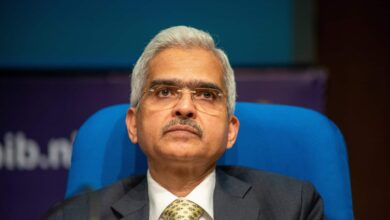
    RBI Governor Sanjay Malhotra is focused on addressing currency speculation while avoiding the aggressive intervention tactics employed by his predecessor. This delicate balance is crucial; inadequate intervention might lead to one-sided trading and further depreciation, while excessive intervention could drain liquidity from the banking system and hinder economic growth. The RBI’s recent transition towards a more transparent approach in its market operations underscores its commitment to effectively managing volatility.

    Historical Context and Future Outlook

    India’s approach to currency intervention has evolved considerably over the years, especially in response to past economic crises. Key historical events, such as the 1991 balance of payments emergency and the pressures during the 2013 taper tantrum, have significantly shaped the RBI’s current strategies. As of November 2023, India’s foreign reserves stand at approximately $686 billion, providing a buffer against currency fluctuations and covering around 11 months of imports. This substantial reserve grants the RBI more flexibility in managing the rupee’s value.

    Looking ahead, the RBI’s strategies may be influenced by ongoing trade negotiations with the United States. A US delegation is set to visit India to discuss potential trade agreements, which could alleviate some pressure on the rupee. Governor Malhotra has expressed optimism regarding these discussions, indicating that a favorable trade deal could contribute to the stabilization of the currency. However, the RBI remains cautious as it navigates the complexities of market intervention while ensuring the long-term health of the Indian economy.

    Digihunt is not a financial advisor and this is not investment advice.