Trump Mulls Extra Tariffs on Indian Rice: What It Means for India and US Consumers

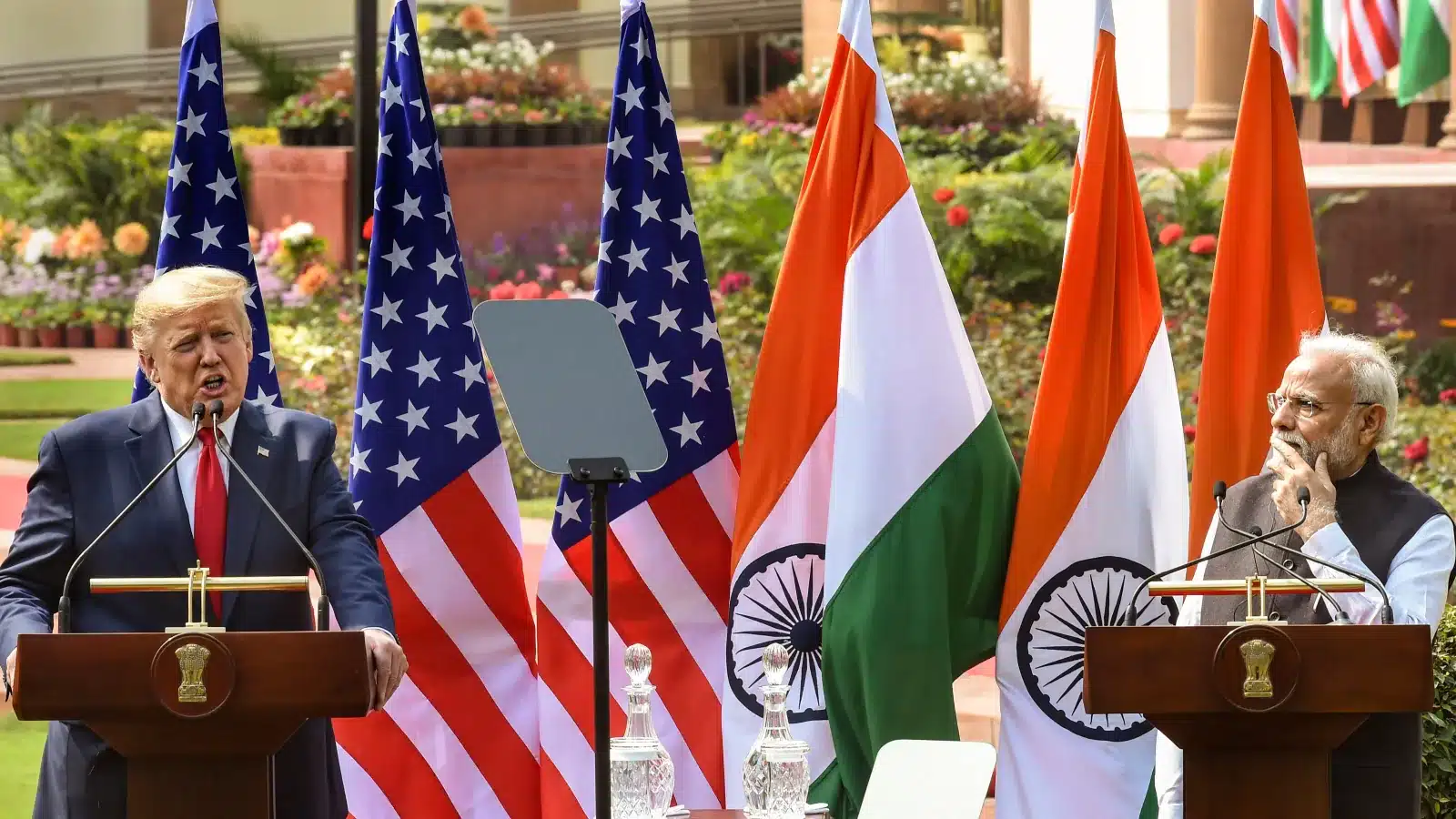
US President Donald Trump has issued a warning about potential new tariffs on Indian rice, asserting that India should not be “dumping” its rice into the American market. During a recent roundtable discussion at the White House, Trump mentioned he would “take care” of the situation, indicating that tariffs could serve as a simple solution. This announcement follows the Trump administration’s earlier imposition of a substantial 50% tariff on Indian goods, one of the highest rates faced by any exporting country to the US.
Trump’s Latest Warning on Tariffs on Indian Rice
In the roundtable, Trump scrutinized India’s trade practices and specifically inquired about tariffs on rice. He questioned Treasury Secretary Scott Bessent regarding any exemptions for India, to which Bessent stated that negotiations over a trade deal are still ongoing. Trump expressed his concerns over “dumping,” indicating he had received similar feedback from multiple sources. His remarks coincided with an ongoing case at the World Trade Organization addressing India’s trade practices. This reflects a broader strategy aimed at rectifying trade imbalances, particularly as he seeks support from American farmers ahead of the elections.
Implications of Trump’s Tariff Threat for India
Ajay Srivastava, founder of the Global Trade Research Initiative (GTRI), suggests that Trump’s threats might be politically motivated rather than economically driven. He pointed out that India exported approximately $392 million worth of rice to the US in the fiscal year 2025, accounting for only 3% of its total rice exports. The majority of these exports consist of premium basmati rice, already facing tariffs of around 53% in the US market. Srivastava argues that any new tariffs would likely affect Indian exporters minimally, as they have successfully developed strong markets in other regions. However, he cautions that such tariffs would raise costs for American consumers, making rice more expensive in the US.
Response from the Indian Rice Exporters Federation
In response to Trump’s statements, the Indian Rice Exporters Federation (IREF) issued a clarification regarding the dynamics of the Indo-US rice trade. Dev Garg, Vice President of IREF, highlighted the resilience and international competitiveness of the Indian rice export sector. He mentioned that while the US is an important market, Indian rice exports enjoy a well-diversified presence globally. For the fiscal year 2024-2025, India exported Basmati rice worth $337.10 million to the US, making it the fourth-largest market for Indian Basmati. Garg emphasized that the demand for Indian rice is largely driven by ethnic populations in the US, especially for traditional dishes that utilize Basmati rice.
Market Dynamics and Consumer Impact
Consumption patterns in the US reveal that Indian rice is predominantly bought by Gulf and South Asian communities, with an increasing interest in Indian cuisine. The IREF noted that rice cultivated in the US does not replicate the unique qualities of Indian Basmati, renowned for its distinctive aroma and texture. Before the recent tariff hike, Indian rice imports were subject to a 10% tariff, which has now escalated to 50%. Nevertheless, Indian rice exports have persisted, underscoring the product’s significance to American consumers. Market insights indicate that the increased tariff burden is primarily falling on US consumers, who are now facing higher retail prices, while Indian exporters continue to maintain stable revenue levels.
Digihunt is not a financial advisor and this is not investment advice.