Author: Sumit Rathore

  • Johnson & Johnson’s Talc Lawsuit Continues:  Million Awarded in Baby Powder Cancer Case

    Johnson & Johnson’s Talc Lawsuit Continues: $40 Million Awarded in Baby Powder Cancer Case

    A California jury has directed Johnson & Johnson to pay $40 million to two women who allege that years of using the company’s talc-based baby powder contributed to their ovarian cancer diagnoses. The women testified about their extensive medical treatments and argued that the company was aware of the potential risks associated with its product. Johnson & Johnson intends to appeal the verdict, asserting that the evidence does not justify the jury’s decision.

    Details of the Case

    The lawsuit involved two California residents, diagnosed with ovarian cancer in 2014 and 2018, respectively. Both women reported using Johnson & Johnson’s baby powder after bathing for around 40 years. Their testimonies detailed their severe medical conditions, which required major surgeries and multiple rounds of chemotherapy. Andy Birchfield, their attorney, emphasized during the trial that the company had prior knowledge of the associated risks but chose to conceal this from consumers, highlighting alleged negligence in protecting its customers.

    Johnson & Johnson’s Defense

    In defense of the claims, Johnson & Johnson’s attorney, Allison Brown, argued that the evidence presented was insufficient. She pointed out that no major U.S. health authority supports a link between talc and ovarian cancer, nor is there any scientific study proving that talc can migrate from the skin to reproductive organs. The company maintains that its products are safe, asbestos-free, and do not cause cancer. Erik Haas, the company’s vice president of litigation, announced plans to appeal the verdict, calling it an “aberrant” decision that the company aims to overturn.

    Ongoing Legal Challenges

    Johnson & Johnson is currently facing a significant number of lawsuits, with over 67,000 plaintiffs claiming their use of talc products led to cancer diagnoses. The company ceased the sale of talc-based baby powder in the U.S. in 2020, transitioning to a cornstarch alternative. Federal courts have rejected previous attempts by Johnson & Johnson to resolve these lawsuits through bankruptcy, with the most recent dismissal occurring in April. The cases involving the two women are the first to proceed to trial following these bankruptcy attempts.

    Historical Context and Future Implications

    Prior to the bankruptcy proceedings, Johnson & Johnson had a mixed record in talc-related trials, with some verdicts reaching as high as $4.69 billion awarded to women claiming their ovarian cancer resulted from the baby powder. While the company has won some trials, others have led to significant judgments against it. The majority of the lawsuits focus on ovarian cancer, although a smaller number involve claims related to mesothelioma, a rare and deadly cancer. Johnson & Johnson has settled some mesothelioma claims but has not established a nationwide settlement, resulting in ongoing trials in state courts. Recently, the company has faced considerable verdicts in mesothelioma cases, including a notable judgment exceeding $900 million in Los Angeles last October.

    Digihunt is not a financial advisor and this is not investment advice.

  • Haryana Teams Up with World Bank to Tackle Pollution Challenges

    Haryana Teams Up with World Bank to Tackle Pollution Challenges

    In a groundbreaking initiative, Haryana has launched the Haryana Clean Air Project for Sustainable Development in collaboration with the World Bank, aiming to tackle air pollution in the region. With a budget of Rs 3,600 crore, this ambitious project seeks to significantly enhance air quality over the next five years. The comprehensive plan includes various measures, from upgrading industrial practices to promoting cleaner transportation options, all designed to combat hazardous air pollution affecting the National Capital Region (NCR).

    Comprehensive Measures to Combat Air Pollution

    The Haryana Clean Air Project outlines a series of extensive interventions targeting multiple sources of air pollution. A key component of the initiative is the incentivization of 1,000 industries to transition to cleaner energy sources by purchasing new boilers that operate on PNG, CNG, or other gaseous fuels. Additionally, the project plans to introduce 1,000 diesel generator sets that will function in hybrid or dual fuel modes, further reducing emissions. The state government also aims to procure 500 electric buses and phase out diesel autos, while providing incentives for 50,000 electric autos to promote sustainable transportation.

    To enhance monitoring and enforcement, the project includes the establishment of a command and control center. This center will oversee the construction of a 500-kilometer dust-free road, aimed at minimizing road-dust emissions. Furthermore, the initiative proposes the installation of two common boilers in industrial clusters and the implementation of two pilot tunnel kilns to mitigate emissions from brick kilns. These measures are part of a broader strategy to ensure cleaner air for residents in the NCR.

    Advanced Monitoring Infrastructure

    As part of the Haryana Clean Air Project, the government plans to significantly enhance its air quality monitoring capabilities. The proposal includes the installation of 10 Continuous Ambient Air Quality Monitoring (CAAQM) stations across the state, along with a mobile van equipped with real-time source apportionment technology. This advanced monitoring infrastructure will enable authorities to effectively track air quality and respond to pollution sources in a timely manner.

    These initiatives were presented during a review meeting on ‘Air Pollution Control in Delhi NCR,’ chaired by Tanmay Kumar, the secretary of the Ministry of Environment, Forest and Climate Change. The meeting highlighted both short- and long-term strategies proposed by Haryana to address the pressing issue of air pollution in the region.

    Efforts to Reduce Stubble Burning

    In addition to the broader air quality initiatives, Haryana has implemented specific measures to combat paddy stubble burning, a significant contributor to air pollution. The state government reported that it has mapped 10,028 nodal officers directly to farmer groups, creating an unprecedented village-level monitoring ecosystem. This initiative has led to a notable decrease in active fire locations, with only 662 recorded from September to November 2025, marking a 52.9% decline from the previous year.

    To enforce compliance, authorities have imposed environmental compensation in 238 verified cases, filed FIRs, and mandated red entries in land records. The government has complemented these enforcement measures with financial incentives, offering Rs 1,200 per acre for in-situ residue management, Rs 8,000 per acre for crop diversification, and Rs 4,500 per acre for adopting direct seeding of rice. Over 5.6 lakh farmers have registered for residue management support, covering 39.3 lakh acres, with a projected payout of Rs 471 crore in incentives, demonstrating the state’s commitment to sustainable agricultural practices.

    Digihunt is not a financial advisor and this is not investment advice.

  • US Lawmakers Push to Remove 50% Tariff on India, Stressing Economic Impact

    US Lawmakers Push to Remove 50% Tariff on India, Stressing Economic Impact

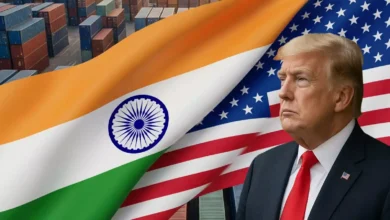
    In a significant change in U.S. trade policy, three members of the House of Representatives have introduced a resolution to roll back tariffs on Indian imports that were imposed during the Trump administration. This bipartisan initiative reflects concerns that these tariffs, which can go up to 50%, adversely affect American jobs, consumers, and the overall U.S.-India relationship. The resolution aims to terminate the national emergency declaration that enabled these tariffs, recognizing India’s growing economic importance to the United States.

    Legislative Action Against Tariffs

    The resolution is led by Congresswoman Deborah Ross and Congressmen Marc Veasey and Raja Krishnamoorthi. It seeks to eliminate the additional 25% tariffs placed on Indian goods in August 2025. These tariffs were added on top of existing duties, resulting in a total levy of as much as 50% on various products from India under the International Emergency Economic Powers Act (IEEPA). The lawmakers contend that these tariffs not only harm American consumers but also disrupt supply chains and increase costs for businesses and families.

    This resolution comes on the heels of a bipartisan effort in the Senate to restrict the President’s power to impose trade measures through emergency powers, showcasing a shared belief among lawmakers that the tariffs are counterproductive to U.S. interests.

    Economic Ties Between the U.S. and India

    Congresswoman Ross highlighted the strong economic ties between North Carolina and India, noting that Indian companies have invested over $1 billion in the state, creating thousands of jobs in high-growth sectors like life sciences and technology. U.S. manufacturers also export goods worth hundreds of millions of dollars to India each year, emphasizing the mutual advantages of a robust trade partnership.

    Congressman Veasey reiterated that the tariffs place an unfair burden on American consumers, particularly in North Texas, where families are already facing increasing costs. He described India as a critical cultural, economic, and strategic partner for the U.S., underscoring the necessity of removing these tariffs to strengthen economic collaboration.

    Concerns Over Supply Chain Disruptions

    Congressman Krishnamoorthi expressed further concerns regarding the effects of the tariffs on American workers and supply chains. He argued that the tariffs not only harm the local economy but also disrupt the flow of goods and services between the two nations. By eliminating these tariffs, he believes the U.S. can enhance its economic engagement with India and improve cooperation in trade and security.

    The lawmakers’ resolution is part of a broader movement by congressional Democrats to reclaim authority over trade issues and prevent the President from imposing tariffs without congressional approval. This initiative reflects an increasing desire among legislators to ensure that trade policies align with American interests while fostering international partnerships.

    Calls for Reconciliation with India

    Earlier in October, Ross, Veasey, Krishnamoorthi, along with Congressman Ro Khanna and 19 other lawmakers, called on the President to reassess the tariff measures and work towards mending relations with India. The tariffs were first imposed in August 2025, following President Trump’s announcement of a 25% duty on Indian goods, which was subsequently raised by another 25%. The justification for these tariffs was tied to India’s continued purchases of Russian oil, a decision criticized by several lawmakers who argue that it undermines U.S. economic interests and the crucial partnership with New Delhi.

    Digihunt is not a financial advisor and this is not investment advice.

  • India and Mexico Work Together to Address 50% Tariff Hike for Better Trade Relations

    India and Mexico Work Together to Address 50% Tariff Hike for Better Trade Relations

    As India faces a significant tariff increase imposed by Mexico, potentially soaring to 50%, New Delhi is actively engaging with Mexican authorities. The Indian government perceives this unilateral decision as affecting a broad range of products and is focused on protecting the interests of its exporters while seeking mutually beneficial solutions. This tariff hike, approved by the Mexican Senate, is scheduled to take effect on January 1, 2026, as part of a broader strategy to strengthen domestic manufacturing and address trade imbalances.

    India’s Response to Tariff Increases

    In response to the recent tariff hikes, India has communicated its concerns to the Mexican government. The Indian Embassy in Mexico contacted the Mexican Ministry of Economy on September 30, requesting special consideration to protect Indian exports from the new tariff structure. An official stated that India values its partnership with Mexico and is committed to creating a stable trade environment that benefits both nations. Ongoing discussions aim to find solutions in line with global trade norms while ensuring that Indian exporters are not adversely impacted.

    The tariff increases specifically target countries without free trade agreements with Mexico, including India, China, South Korea, Thailand, and Indonesia. India’s concerns were voiced during the initial stages of the tariff legislation. The official noted that India retains the right to take necessary measures to protect its exporters while continuing constructive dialogue with Mexico.

    Impact on Trade Relations

    The new tariff framework will impose duties ranging from 5% to 50% on approximately 1,463 product categories, signifying substantial implications for Indian exports. Industry bodies have raised alarms about the potential impact on various sectors, including automobiles, machinery, electrical goods, chemicals, pharmaceuticals, textiles, and plastics. Ajay Sahai, Director General of the Federation of Indian Export Organisations (FIEO), cautioned that such steep duties could compromise India’s competitiveness and disrupt established supply chains.

    The Indian government is closely monitoring the situation to assess how these tariff changes will affect its exports. The real impact will depend on the critical nature of these goods in Mexican supply chains and whether Indian companies can either secure exemptions or pass on the increased costs to Mexican consumers. Ongoing discussions between Indian and Mexican officials are focused on mitigating these challenges and exploring avenues for cooperation.

    Future Trade Agreements

    Beyond addressing immediate tariff concerns, India and Mexico are preparing to start discussions on a free trade agreement. Formal negotiation parameters are expected to be finalized soon. Analysts believe that such an agreement could offer a buffer for Indian companies against the newly imposed duties, influenced by U.S. pressure to align Mexican tariffs with American measures against China.

    The Mexican Senate ratified the tariff legislation on December 11, following approval from both chambers of Congress. This action is part of Mexico’s strategy to enhance its domestic manufacturing sector and reduce trade imbalances. The Indian government remains optimistic that a free trade agreement will strengthen bilateral trade relations and provide a more favorable environment for exporters from both countries.

    Industry Concerns and Future Outlook

    As the Indian government navigates this challenging landscape, industry stakeholders are calling for swift action on a comprehensive trade agreement. The increased duties pose a significant risk to Indian exporters, particularly in sectors reliant on exports to Mexico. The Automotive Component Manufacturers Association (ACMA) has indicated that Indian auto component manufacturers may face heightened cost pressures due to the new tariffs.

    India’s trade with Mexico has been notable, with exports valued at $5.75 billion in 2024-25 and imports at $2.9 billion. The government remains in close contact with stakeholders to assess the evolving situation and explore potential solutions. As discussions progress, the focus continues to be on protecting Indian exporters while fostering a collaborative trade relationship with Mexico.

    Digihunt is not a financial advisor and this is not investment advice.

  • India’s ‘Sweet Spot’: Balancing Low Inflation and High Growth in a Stable Economy

    India’s ‘Sweet Spot’: Balancing Low Inflation and High Growth in a Stable Economy

    India is currently navigating a unique economic landscape characterized by near-zero inflation and robust growth exceeding 8%. This “Goldilocks” moment, while advantageous for borrowers and large corporations, poses significant challenges for farmers facing plummeting food prices. As the Reserve Bank of India (RBI) cuts interest rates to stimulate the economy, the benefits of this economic phase appear unevenly distributed, raising questions about who truly gains and who suffers in this complex scenario.

    Economic Overview: A Mixed Blessing

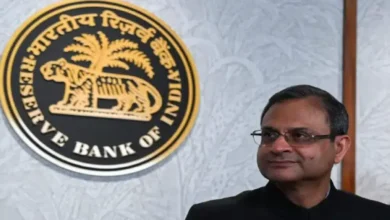
    India’s economic indicators present a paradox. On one hand, the country is experiencing record-low consumer price inflation, which has dropped to approximately 0.25%, while GDP growth for the latest quarter is estimated at around 8.2%. This growth is supported by both the manufacturing and services sectors. The RBI has responded to these conditions by reducing the policy repo rate four times this year, totaling a decrease of one percentage point. Experts describe this situation as a “Goldilocks” phase, where growth is strong, prices are stable, and there is room for further economic support. However, the implications of this economic environment vary significantly across different demographics, revealing a stark contrast between urban borrowers and rural farmers.

    For urban borrowers, lower interest rates translate into reduced monthly payments and more manageable budgets. Conversely, retired savers face the risk of diminished interest income due to the same rate cuts. Farmers, particularly those selling staple crops like onions and potatoes, are experiencing distress as food prices fall below production costs. This disparity highlights the uneven distribution of benefits in the current economic climate, prompting discussions about the sustainability of this growth and its broader implications for various sectors of society.

    Understanding the Numbers: Inflation and Growth

    The current economic landscape is marked by impressive statistics that, at first glance, suggest a thriving economy. The sharp decline in food prices has significantly contributed to the low inflation rate, with vegetables and pulses seeing substantial price drops. However, this deflationary trend is not universal; while food prices have decreased, costs for essential services such as healthcare, education, and housing remain high. The core inflation rate, excluding food and fuel, hovers around 4-4.5%, indicating that not all sectors are benefiting equally from the low inflation environment.

    The RBI’s monetary policy has been proactive, with repeated cuts to the repo rate aimed at fostering economic growth. Despite these measures, the underlying factors contributing to low inflation are complex. They include statistical base effects from previous high inflation rates and a significant drop in wholesale prices, which can indicate weak pricing power for producers. While the overall economic indicators may appear favorable, they mask deeper issues that could affect long-term stability and growth.

    Winners and Losers: Who Benefits?

    In this economic scenario, certain groups emerge as clear beneficiaries. Borrowers, including individuals with home loans and businesses with floating-rate loans, stand to gain from lower interest rates. The Indian government, as a major borrower, also benefits from reduced debt servicing costs, allowing for increased spending on infrastructure and welfare programs. Large corporations, particularly those with strong credit ratings, find themselves in an advantageous position, as low interest rates and growing demand create opportunities for expansion and investment.

    However, the situation is markedly different for farmers, who are facing significant challenges due to falling food prices. Many farmers are selling their produce at prices that do not cover their production costs, leading to financial distress. The disparity in outcomes raises critical questions about the sustainability of the current economic model and the potential long-term impacts on rural economies and food security.

    The Broader Implications: Economic Stability and Future Risks

    While the current economic phase may appear beneficial on the surface, it carries inherent risks that could disrupt the delicate balance. Factors such as adverse weather conditions, global energy price fluctuations, and potential policy missteps by the RBI could quickly alter the economic landscape. Sustained low inflation, while seemingly advantageous, can lead to reduced consumer spending and pressure on producers, potentially stifling economic growth.

    Moreover, the uneven distribution of benefits raises concerns about social equity and economic resilience. As farmers struggle with low prices, rural demand may decline, affecting overall consumption and economic momentum. Policymakers must navigate these complexities carefully to ensure that the benefits of growth are shared more equitably across all sectors of society, fostering a more inclusive economic environment.

    Digihunt is not a financial advisor and this is not investment advice.

  • Brookfield Invests  Billion in Mumbai GCC Project to Boost Local Development

    Brookfield Invests $1 Billion in Mumbai GCC Project to Boost Local Development

    New York-based alternative asset manager Brookfield is poised to invest over $1 billion (approximately Rs 9,000 crore) in establishing a global capability center (GCC) in Mumbai. This initiative underscores Brookfield’s significant commitment to India’s burgeoning market. The project, set to be the largest GCC in Asia, is being developed in partnership with the Mumbai Metropolitan Region Development Authority (MMRDA). Located in Powai, the center is expected to be completed by 2029 and will generate more than 30,000 jobs, reinforcing India’s status as a hub for multinational corporations.

    Details of the Global Capability Center

    The new GCC will cover six acres in Powai and is being specifically designed to host the largest GCC for a major multinational bank, with a commitment extending over 20 years. Brookfield’s investment mirrors a larger trend where multinational corporations are establishing offshore units in regions with favorable cost structures and access to a skilled workforce. Analysts from Zinnov indicate that India is quickly becoming a hotspot for GCCs, supported by a talent pool of over 1.9 million professionals specializing in artificial intelligence, engineering, and product development. This surge in skilled talent is attracting companies eager to amplify their research and development capabilities.

    The GCC sector in India has experienced notable growth, with nearly 110 new centers expected to be established between early 2024 and late 2025. While US-based firms lead this trend, there is a noticeable increase in investments from companies in the UK, Germany, Japan, and Denmark, all driven by India’s substantial capabilities. Major corporations like Samsung, Microsoft, JP Morgan Chase, and Bosch have made significant investments in GCCs, contributing to the growth of India’s commercial office real estate sector.

    Brookfield’s Commitment to India

    Brookfield ranks among the largest office spaceowners in India, managing approximately 55 million square feet across seven cities. Earlier this year, the company entered into a memorandum of understanding with MMRDA, committing to invest $12 billion in the Mumbai metropolitan region. This commitment emphasizes Brookfield’s long-term strategy in India, which includes the recent acquisition of a 2.1-acre plot in Mumbai’s Bandra Kurla Complex (BKC) for a high-quality mixed-use development.

    Brookfield’s extensive portfolio in Mumbai exceeds $4 billion, highlighting its considerable stake in the region’s real estate market. The establishment of the new GCC is expected to further solidify Brookfield’s presence and influence in India, aligning with government efforts to attract high-value operations that generate skilled employment and promote economic growth.

    Impact on Employment and Economic Growth

    The GCC’s development is projected to significantly impact employment in the region. The creation of over 30,000 jobs will contribute to the local economy and open up opportunities for skilled professionals across various sectors. Maharashtra Chief Minister Devendra Fadnavis has indicated that the newly introduced GCC policy aims to enhance the momentum of attracting large-scale operations that yield long-term economic benefits.

    Currently, around 92% of India’s GCCs are concentrated in six major cities, including Mumbai, the National Capital Region (NCR), Bengaluru, and Hyderabad. This concentration underscores the strategic importance of these urban centers in the global business landscape. With an increasing number of multinational corporations setting up operations in India, the country is well-positioned to emerge as a leading destination for GCCs, driving innovation and economic development in the years ahead.

    Digihunt is not a financial advisor and this is not investment advice.

  • Pakistan and Binance Sign MoU to Tokenize National Assets

    Pakistan and Binance Sign MoU to Tokenize National Assets

    Pakistan is making significant strides in modernizing its financial infrastructure by signing a memorandum of understanding (MoU) with global cryptocurrency exchange Binance. The agreement aims to explore the tokenization of sovereign and real-world assets worth up to $2 billion. Finance Minister Muhammad Aurangzeb and Binance CEO Richard Teng formalized this collaboration to enhance liquidity, transparency, and accessibility to international markets while ensuring compliance with local laws and regulations.

    Details of the MoU

    The MoU was signed at the Finance Division and marks a crucial step for Pakistan in adopting blockchain technology. The agreement will assess the feasibility of digitizing various assets such as government bonds, treasury bills, and commodity reserves. The Ministry of Finance highlighted that this partnership is designed to improve the country’s financial landscape by leveraging blockchain platforms. While the MoU is non-binding and does not create procurement commitments, it lays the groundwork for potential agreements to be negotiated within six months.

    Officials noted that Binance and its affiliates may provide technical expertise, advisory support, and training to help Pakistan build a compliant blockchain infrastructure. This initiative aims to attract global investors while ensuring that Pakistan retains full sovereign control over its assets. The MoU is viewed as a vital step in aligning Pakistan’s financial ecosystem with international best practices, especially as tokenization trends gain momentum worldwide.

    Government’s Commitment to Reform

    Finance Minister Aurangzeb characterized the signing of the MoU as a strong message of the government’s commitment to reforming the financial sector, stating, “This is a very strong message — not only for Pakistan, but for the entire world.” He expressed confidence in the partnership with Binance and emphasized the government’s dedication to effectively executing the agreement. Aurangzeb’s remarks underscore the significance of this collaboration in positioning Pakistan as an innovative player in the global financial landscape.

    Changpeng Zhao, an advisor to the Pakistan Crypto Council and CEO of Binance, described the development as a “landmark” moment for Pakistan’s financial future. He expressed optimism that this collaboration would lead to positive and lasting outcomes for the economy, paving the way for the full deployment of blockchain initiatives.

    Regulatory Developments in Pakistan

    In a related development, the Pakistan Virtual Assets Regulatory Authority (PVARA) announced it has issued No Objection Certificates to Binance and HTX. This step initiates a phased approach toward full licensing, in line with Financial Action Task Force (FATF) guidelines. PVARA emphasized that strong governance, anti-money laundering (AML), and counter-terrorism financing (CFT) compliance are critical for building a trusted digital asset ecosystem in Pakistan.

    The authority characterized its formal arrangements with Binance and HTX as a major stride toward establishing a regulated digital asset framework. This initiative is anticipated to enhance the credibility of Pakistan’s financial system and attract further investment in the growing digital asset market. As the country advances with these developments, it aims to create a robust environment for digital assets that aligns with global standards.

    Disclaimer: Digihunt is not a financial advisor and this is not investment advice.

  • Government Approves New Law for Private Companies in Civil Nuclear Power Sector

    Government Approves New Law for Private Companies in Civil Nuclear Power Sector

    The Indian Union Cabinet has made a significant move towards transforming the nuclear power sector by approving the Sustainable Harnessing and Advancement of Nuclear Energy for Transforming India (SHANTI) Bill. This legislation aims to open the previously restricted nuclear power industry to private companies, aligning with the country’s ambitious target of achieving 100 gigawatts of nuclear power capacity by 2047. The bill will be introduced during the ongoing winter session of Parliament, marking a pivotal moment in India’s energy landscape.

    Key Provisions of the SHANTI Bill

    The SHANTI Bill introduces several crucial amendments to existing laws governing the nuclear sector. One of the primary changes includes amending civil liability laws to protect plant operators and limit the liability of equipment suppliers. Additionally, the bill proposes redesigning operator insurance, establishing a cap of ₹1,500 crore per incident under the Indian Nuclear Insurance Pool. This framework aims to create a more secure environment for private investment in nuclear energy.

    Furthermore, the bill permits up to 49% foreign direct investment in the nuclear sector, which is expected to attract global players and enhance technological collaboration. To streamline operations, the legislation proposes establishing a unified legal framework for atomic energy, including a specialized nuclear tribunal to handle disputes related to nuclear activities. While private entities will be allowed to enter the sector, government oversight will ensure that the Department of Atomic Energy retains control over essential functions such as nuclear material production and waste management.

    Government’s Vision for Nuclear Energy

    Finance Minister Nirmala Sitharaman first announced the government’s intention to invite private participation in the nuclear power sector during her budget speech in February. She also introduced a Nuclear Energy Mission, allocating ₹20,000 crore for the research and development of small modular reactors (SMRs). The government aims to operationalize five indigenously developed SMRs by 2033, reflecting a strategic push towards modernizing India’s nuclear capabilities.

    Prime Minister Narendra Modi has indicated that the government is preparing to open the nuclear sector to private players, similar to recent developments in the space sector. Currently, the Atomic Energy Act restricts private entities and state governments from operating nuclear power plants, leaving the Nuclear Power Corporation of India Limited (NPCIL) as the sole operator of the country’s 24 commercial reactors.

    Addressing Energy Demands and Future Prospects

    The SHANTI Bill is designed to tackle long-standing issues within the nuclear energy sector, including private-sector participation, liability concerns, and fuel supply management. With rising domestic energy demands and India’s commitment to achieving net-zero emissions by 2070, global interest in nuclear power has renewed. This interest is further fueled by advancements in technology, particularly in the development of SMRs and safer large reactors.

    Officials emphasize that scaling nuclear capacity ten-fold over the next two decades will necessitate significant private-sector involvement, as the public sector alone may not meet this ambitious target. SMRs are particularly well-suited for energy-intensive industries, such as steel and cement production, as well as data centers, which are expected to drive future energy consumption.

    Implications for Investment and Regulation

    Experts believe that aligning civil nuclear liability for operators and suppliers with international standards is essential for attracting global technology providers and private investors. Currently, the tariff for nuclear power is determined by the Department of Atomic Energy in consultation with the Central Electricity Authority. However, the introduction of private sector participation may require governance by an independent regulator, such as the Central Electricity Regulatory Commission (CERC), to facilitate competitive tariff determination.

    Involving the private sector in the research and development of nuclear technologies, particularly for civil use, is viewed as a progressive step. This could include establishing intellectual property rights, aligning India’s approach with practices adopted by several developed nations. The SHANTI Bill represents a crucial shift in India’s energy policy, aiming to harness the potential of nuclear power to meet future energy demands while fostering private investment and innovation.

    Digihunt is not a financial advisor and this is not investment advice.

  • SIA-India Pushes for More Space Budget and Support for Hybrid Manufacturing

    SIA-India Pushes for More Space Budget and Support for Hybrid Manufacturing

    The Satcom Industry Association-India (SIA-India) is advocating for a substantial increase in India’s space budget, recommending that the government triples its current allocation. This proposal comes as part of pre-budget submissions made to various government bodies, where the association emphasized the necessity for specialized manufacturing incentives and long-term funding frameworks to improve connectivity, navigation, and earth observation capabilities. Currently, India’s public spending on space is only 0.04% of GDP. SIA-India asserts that a gradual increase in budget allocations is imperative to align with global norms and support the country’s ambitions in the space sector.

    Call for Increased Space Budget

    SIA-India has proposed a phased approach to increase the national space budget, beginning with an allocation of approximately Rs 18,000 crore in the upcoming fiscal year. This would be succeeded by increments to Rs 27,000 crore and Rs 36,000 crore over the following four years. The association believes this adjustment would elevate India’s spending on space to 0.12% of GDP, aligning it more closely with leading spacefaring nations. Such funding is viewed as vital for enhancing launch capabilities, developing satellite constellations, and establishing new testing infrastructure, thereby stimulating growth in the private sector.

    The association’s president, Subba Rao Pavuluri, underscored that India’s position in the global space economy heavily relies on consistent long-term investments in capability development. He noted that various sectors, including secure communications, navigation, and disaster resilience, increasingly depend on space assets. To fulfill strategic aspirations and uphold leadership in the Indo-Pacific region, SIA-India urges the recognition of space as critical infrastructure alongside a significant boost in public investment.

    Classification of Space Systems as Critical Infrastructure

    In its recommendations, SIA-India called on the government to reclassify satellite communications, Earth observation, and NavIC-based navigation as national critical infrastructure. The association contends that these systems are essential for financial networks, telecommunications, logistics, governance, and disaster response. By prioritizing the protection and planning of these systems, the government can enhance their reliability and effectiveness.

    Among their key suggestions, SIA-India has proposed a hybrid Production-Linked Incentive (PLI) scheme specifically designed for low-volume, high-reliability space components. They argue that conventional PLIs are unsuitable for space manufacturing and instead recommend incentives tied to capital investment, testing, export readiness, and component qualification. The association has pinpointed several areas, such as radiation-hardened electronics and precision optics, where India currently depends on imports, thus emphasizing the urgency for domestic production capabilities.

    Tax and Regulatory Reforms for Space Manufacturing

    SIA-India is also advocating for clearer tax regulations and classification rules for space-grade components. This includes creating dedicated Harmonized System of Nomenclature (HSN) codes and rationalizing Goods and Services Tax (GST) to cut embedded costs. They also seek mechanisms for zero-rating or refunds on satellite manufacturing and launch services. Additionally, the association is pushing for accelerated depreciation on space-grade equipment and an extension of the business-loss carry-forward period to fifteen years to better reflect the long development cycles common in the space industry.

    To streamline customs operations, SIA-India recommends establishing clean-room inspection zones at major ports to shield sensitive hardware from damage. These reforms aim to enhance the efficiency and competitiveness of India’s space manufacturing sector, enabling it to meet both domestic and international demand more effectively.

    Long-term Plans for Earth Observation and Launch Infrastructure

    SIA-India has proposed to the Department of Space and ISRO that long-term budgets be established for a national Earth observation procurement plan and a NavIC capability expansion program. The association is also urging the development of public-private testing hubs equipped with advanced facilities like thermal-vacuum chambers and vibration rigs, calibrated to ISRO standards.

    Moreover, SIA-India is advocating for budgetary support to expand launch infrastructure, including the construction of a third launch pad and shared engine-test facilities for private vehicle developers. They have also recommended creating a national space-economy measurement system and operational guidelines for the Rs 1,000 crore space venture fund. This fund aims to support a multi-year National Satellite Connectivity Mission, which focuses on enhancing satellite backhaul and broadband services in around 40,000 challenging gram panchayats. Additionally, it aims to provide financial support for user terminals and domestic high-throughput satellite capacity.

    Digihunt is not a financial advisor and this is not investment advice.

  • ALROSA CEO Talks Diamond Market: How India Is Adjusting to US Tariffs

    ALROSA CEO Talks Diamond Market: How India Is Adjusting to US Tariffs

    Russia’s diamond mining giant ALROSA is adapting to the challenges brought about by the recent U.S. tariff hikes on polished diamond imports from India. CEO Pavel Maryinchev is confident that although the industry will require time to adjust, the lasting effects of these tariffs are expected to be manageable. He highlighted that India’s cutting and polishing sector is likely to adapt, thereby minimizing the impact on operations. As the holiday season draws near, there is optimism for a resurgence in demand, especially in the luxury jewelry market.

    Impact of U.S. Tariffs on the Diamond Industry

    The recent rise in U.S. tariffs on polished diamond imports has raised concerns among diamond companies, but ALROSA’s CEO believes the industry will find a way to adapt. Maryinchev noted that the Indian cutting and polishing sector experienced a surge in diamond purchases in August and September, followed by a decline in October. He does not foresee lasting consequences from the high tariffs, as businesses are likely to adapt. However, he acknowledged that some increased costs due to tariffs may eventually be passed on to consumers. Despite this, luxury jewelry buyers tend to be less sensitive to price changes, enabling retail brands to temporarily absorb some costs.

    As Christmas approaches, Maryinchev anticipates a rebound in demand within India, particularly with encouraging sales data emerging. He stressed the need for diamond jewelry manufacturers to adapt their production processes to the new tariff structure. With ALROSA being the largest diamond miner globally, accounting for over 30% of the world’s output, the company is closely monitoring market conditions to maintain its leadership position.

    Market Stability and Production Adjustments

    ALROSA is implementing strategic adjustments to its operations in response to current market conditions. The company has suspended production at less profitable mines and expects a 10-15% decrease in output this year, following a production of 33 million carats in 2024. Maryinchev pointed out that while Indian cutting and polishing units have faced challenges over the past three years, demand remains robust in key markets, including the U.S., Europe, the Middle East, and India.

    In the third quarter of 2025, major Indian retailers reported double-digit growth in sales, averaging a 29% year-on-year increase. Positive data from China further supports the notion of market recovery. Maryinchev cited two main factors contributing to this optimism: stable global demand for jewelry and a decline in diamond production. He noted that inventories throughout the diamond pipeline are gradually normalizing, setting up favorable conditions for price recovery.

    Challenges from Synthetic Diamonds

    Maryinchev addressed concerns regarding synthetic diamonds and their potential to replace natural stones. He observed a significant decline in wholesale prices for lab-grown diamonds, which dropped nearly 40% year-on-year in the third quarter of 2025. The price gap between synthetic and natural diamonds has widened, with natural diamonds now commanding a premium due to their unique qualities and historical significance.

    He describes synthetic diamonds as “expensive costume jewelry,” similar to other lab-created stones like moissanite and cubic zirconia. This distinction is particularly important for luxury consumers, who are willing to pay more for the authenticity and heritage associated with natural diamonds. As the market evolves, Maryinchev believes that natural diamonds will continue to hold a unique position, despite the rise of synthetic alternatives.

    Environmental Considerations in Diamond Mining

    ALROSA’s competitive edge lies in its ability to guarantee the natural origin of its diamonds. Maryinchev countered claims that lab-grown diamonds are environmentally friendly, citing studies that indicate significant carbon emissions associated with their production. He stated that synthesizing diamonds requires substantial energy and contributes to air pollution, with emissions ranging from 300 to 500 kg of CO₂ per carat.

    In contrast, ALROSA’s natural diamonds have a “negative carbon footprint,” absorbing over one million tonnes of greenhouse gases annually, equating to the environmental benefit of a million-acre forest. This finding has been validated through independent audits. The global jewelry market, valued at approximately $370 billion, sees natural diamond jewelry accounting for over $80 billion. Maryinchev concluded that there is ample room for both synthetic and natural diamonds in the market, with the latter expected to become increasingly rare in the coming years.

    Digihunt is not a financial advisor and this is not investment advice.