India and Mexico Work Together to Address 50% Tariff Hike for Better Trade Relations

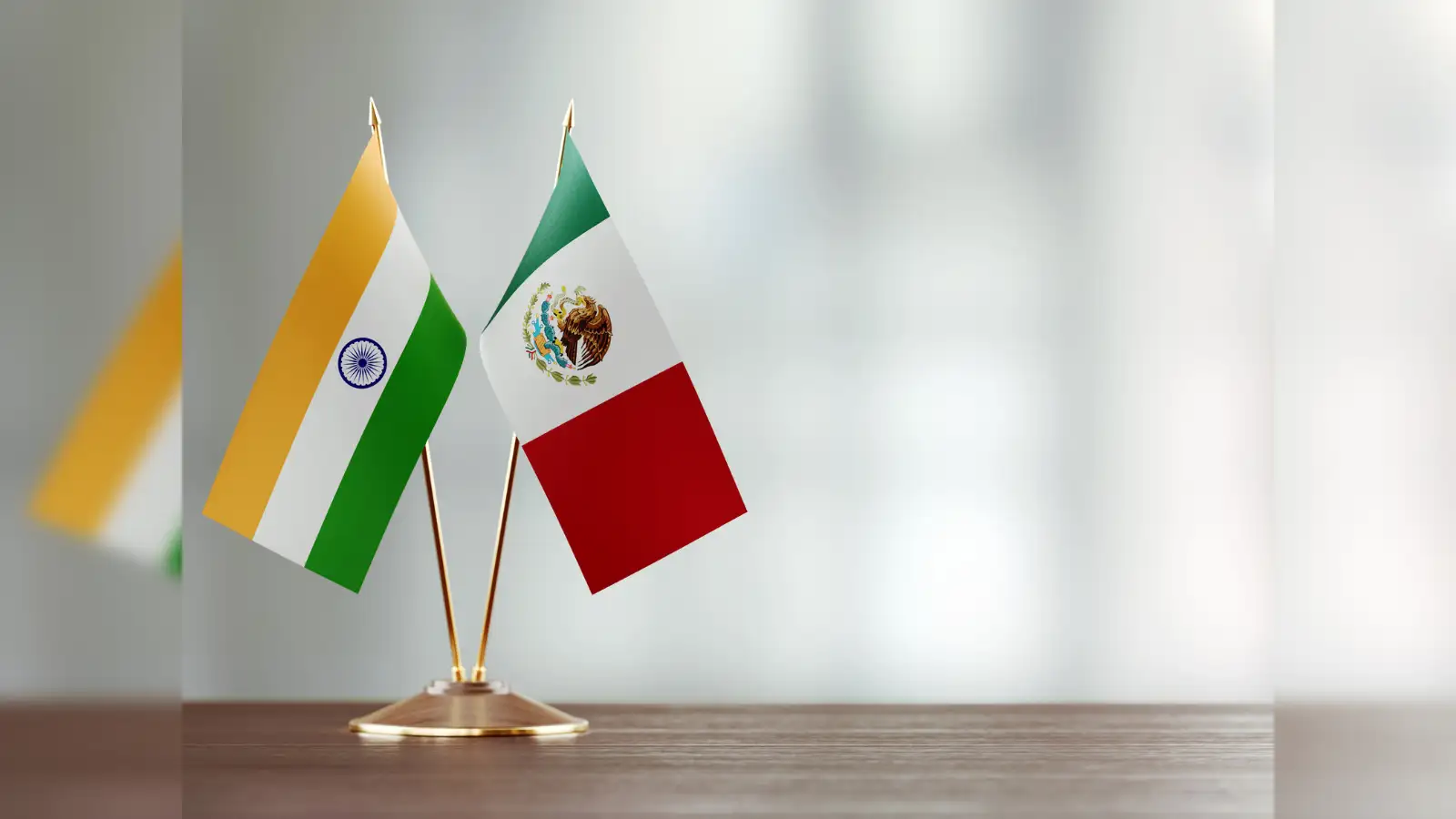
As India faces a significant tariff increase imposed by Mexico, potentially soaring to 50%, New Delhi is actively engaging with Mexican authorities. The Indian government perceives this unilateral decision as affecting a broad range of products and is focused on protecting the interests of its exporters while seeking mutually beneficial solutions. This tariff hike, approved by the Mexican Senate, is scheduled to take effect on January 1, 2026, as part of a broader strategy to strengthen domestic manufacturing and address trade imbalances.
India’s Response to Tariff Increases
In response to the recent tariff hikes, India has communicated its concerns to the Mexican government. The Indian Embassy in Mexico contacted the Mexican Ministry of Economy on September 30, requesting special consideration to protect Indian exports from the new tariff structure. An official stated that India values its partnership with Mexico and is committed to creating a stable trade environment that benefits both nations. Ongoing discussions aim to find solutions in line with global trade norms while ensuring that Indian exporters are not adversely impacted.
The tariff increases specifically target countries without free trade agreements with Mexico, including India, China, South Korea, Thailand, and Indonesia. India’s concerns were voiced during the initial stages of the tariff legislation. The official noted that India retains the right to take necessary measures to protect its exporters while continuing constructive dialogue with Mexico.
Impact on Trade Relations
The new tariff framework will impose duties ranging from 5% to 50% on approximately 1,463 product categories, signifying substantial implications for Indian exports. Industry bodies have raised alarms about the potential impact on various sectors, including automobiles, machinery, electrical goods, chemicals, pharmaceuticals, textiles, and plastics. Ajay Sahai, Director General of the Federation of Indian Export Organisations (FIEO), cautioned that such steep duties could compromise India’s competitiveness and disrupt established supply chains.
The Indian government is closely monitoring the situation to assess how these tariff changes will affect its exports. The real impact will depend on the critical nature of these goods in Mexican supply chains and whether Indian companies can either secure exemptions or pass on the increased costs to Mexican consumers. Ongoing discussions between Indian and Mexican officials are focused on mitigating these challenges and exploring avenues for cooperation.
Future Trade Agreements
Beyond addressing immediate tariff concerns, India and Mexico are preparing to start discussions on a free trade agreement. Formal negotiation parameters are expected to be finalized soon. Analysts believe that such an agreement could offer a buffer for Indian companies against the newly imposed duties, influenced by U.S. pressure to align Mexican tariffs with American measures against China.
The Mexican Senate ratified the tariff legislation on December 11, following approval from both chambers of Congress. This action is part of Mexico’s strategy to enhance its domestic manufacturing sector and reduce trade imbalances. The Indian government remains optimistic that a free trade agreement will strengthen bilateral trade relations and provide a more favorable environment for exporters from both countries.
Industry Concerns and Future Outlook
As the Indian government navigates this challenging landscape, industry stakeholders are calling for swift action on a comprehensive trade agreement. The increased duties pose a significant risk to Indian exporters, particularly in sectors reliant on exports to Mexico. The Automotive Component Manufacturers Association (ACMA) has indicated that Indian auto component manufacturers may face heightened cost pressures due to the new tariffs.
India’s trade with Mexico has been notable, with exports valued at $5.75 billion in 2024-25 and imports at $2.9 billion. The government remains in close contact with stakeholders to assess the evolving situation and explore potential solutions. As discussions progress, the focus continues to be on protecting Indian exporters while fostering a collaborative trade relationship with Mexico.
Digihunt is not a financial advisor and this is not investment advice.