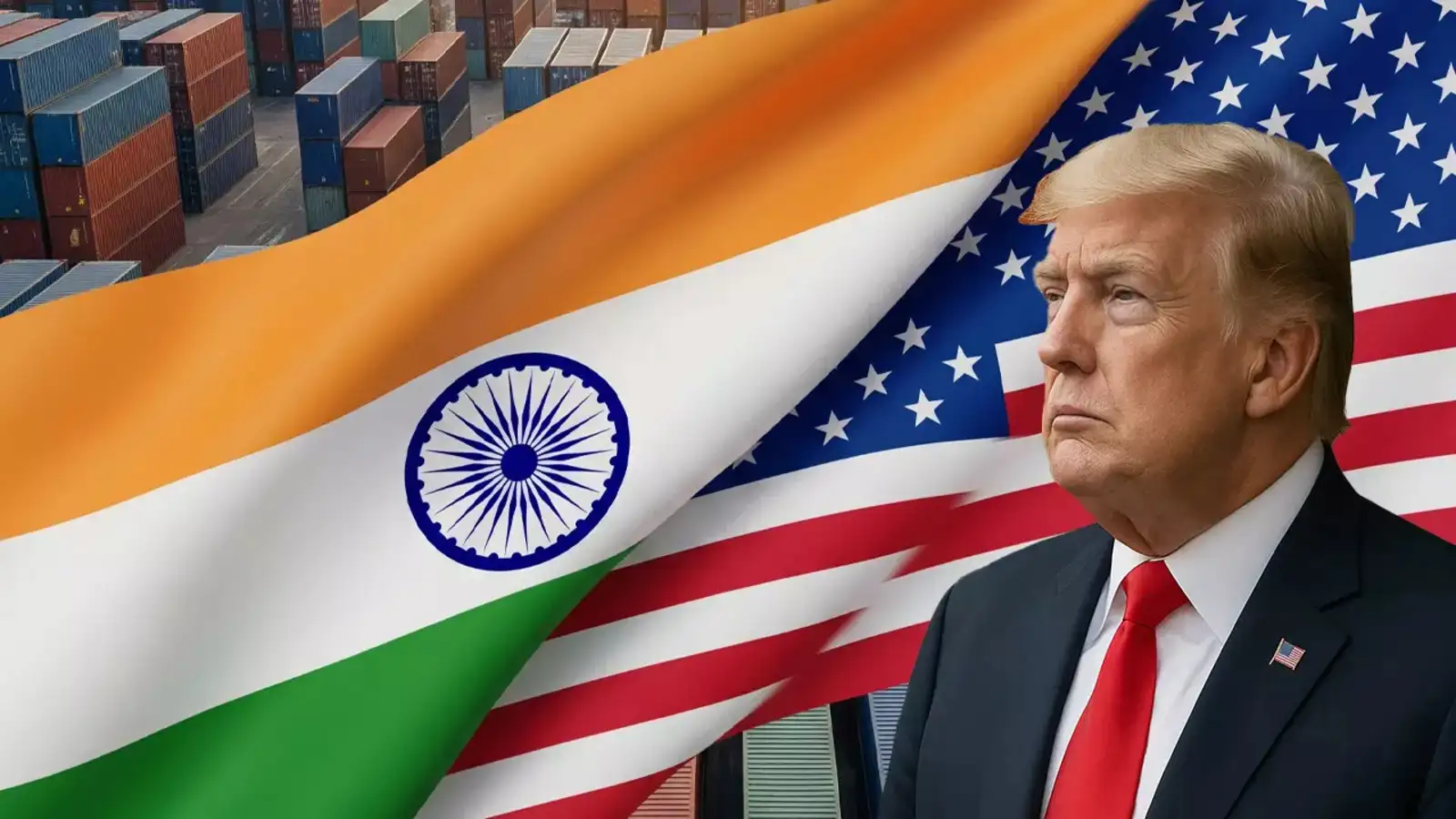
In a significant change in U.S. trade policy, three members of the House of Representatives have introduced a resolution to roll back tariffs on Indian imports that were imposed during the Trump administration. This bipartisan initiative reflects concerns that these tariffs, which can go up to 50%, adversely affect American jobs, consumers, and the overall U.S.-India relationship. The resolution aims to terminate the national emergency declaration that enabled these tariffs, recognizing India’s growing economic importance to the United States.
Legislative Action Against Tariffs
The resolution is led by Congresswoman Deborah Ross and Congressmen Marc Veasey and Raja Krishnamoorthi. It seeks to eliminate the additional 25% tariffs placed on Indian goods in August 2025. These tariffs were added on top of existing duties, resulting in a total levy of as much as 50% on various products from India under the International Emergency Economic Powers Act (IEEPA). The lawmakers contend that these tariffs not only harm American consumers but also disrupt supply chains and increase costs for businesses and families.
This resolution comes on the heels of a bipartisan effort in the Senate to restrict the President’s power to impose trade measures through emergency powers, showcasing a shared belief among lawmakers that the tariffs are counterproductive to U.S. interests.
Economic Ties Between the U.S. and India
Congresswoman Ross highlighted the strong economic ties between North Carolina and India, noting that Indian companies have invested over $1 billion in the state, creating thousands of jobs in high-growth sectors like life sciences and technology. U.S. manufacturers also export goods worth hundreds of millions of dollars to India each year, emphasizing the mutual advantages of a robust trade partnership.
Congressman Veasey reiterated that the tariffs place an unfair burden on American consumers, particularly in North Texas, where families are already facing increasing costs. He described India as a critical cultural, economic, and strategic partner for the U.S., underscoring the necessity of removing these tariffs to strengthen economic collaboration.
Concerns Over Supply Chain Disruptions
Congressman Krishnamoorthi expressed further concerns regarding the effects of the tariffs on American workers and supply chains. He argued that the tariffs not only harm the local economy but also disrupt the flow of goods and services between the two nations. By eliminating these tariffs, he believes the U.S. can enhance its economic engagement with India and improve cooperation in trade and security.
The lawmakers’ resolution is part of a broader movement by congressional Democrats to reclaim authority over trade issues and prevent the President from imposing tariffs without congressional approval. This initiative reflects an increasing desire among legislators to ensure that trade policies align with American interests while fostering international partnerships.
Calls for Reconciliation with India
Earlier in October, Ross, Veasey, Krishnamoorthi, along with Congressman Ro Khanna and 19 other lawmakers, called on the President to reassess the tariff measures and work towards mending relations with India. The tariffs were first imposed in August 2025, following President Trump’s announcement of a 25% duty on Indian goods, which was subsequently raised by another 25%. The justification for these tariffs was tied to India’s continued purchases of Russian oil, a decision criticized by several lawmakers who argue that it undermines U.S. economic interests and the crucial partnership with New Delhi.
Digihunt is not a financial advisor and this is not investment advice.