Renault and Ford Team Up to Challenge Chinese Automakers in Europe’s Car Market

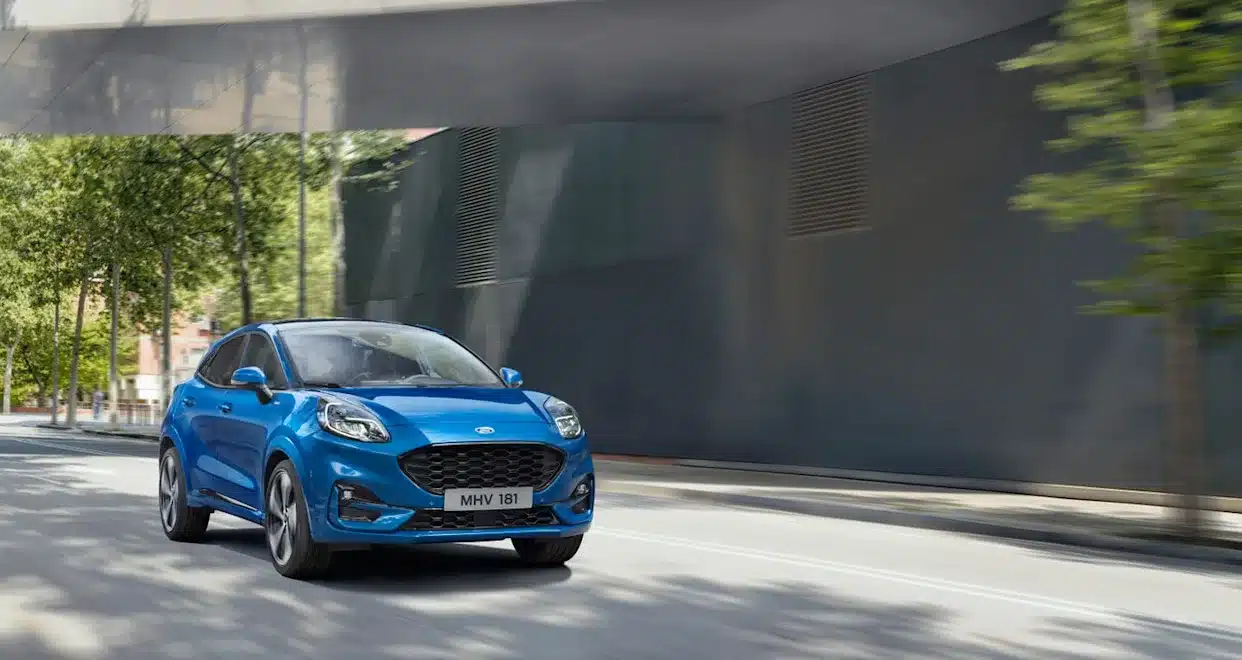
Renault and Ford have announced a strategic partnership aimed at developing affordable electric vehicles and commercial vans tailored for the European market. This collaboration arises as both companies confront rising competition from Chinese automakers, which are rapidly increasing their footprint in Europe. Ford CEO Jim Farley stressed the urgency, declaring that traditional manufacturers are in a “fight for our lives” against more affordable electric models. The first compact electric vehicles from this partnership are expected to be available in European showrooms by 2028.
Details of the Partnership
According to the agreement, Ford and Renault will co-develop two compact electric vehicles, with the first model set to be produced at a Renault facility in northern France. These vehicles will be smaller than Ford’s current range in the United States, addressing a notable gap in the company’s European offerings. The partnership also encompasses the commercial vehicle sector, where both automakers will work together to develop Renault- and Ford-branded vans specifically designed for the European market. Farley described this collaboration as a strategic initiative to strengthen their standing in the light commercial vehicle segment, asserting that their combined efforts can create a formidable presence that challenges Chinese competitors.
Market Challenges and Competition
The European automotive landscape is increasingly competitive, with brands such as BYD, Changan, and Xpeng gaining significant traction. Farley acknowledged that while few Chinese van brands have made headway in Europe, the threat is already noticeable. He mentioned that Ford competes with these brands daily in emerging markets. Renault CEO Francois Provost shared similar concerns, warning that the competition from Chinese manufacturers is intensifying. He conveyed a sense of urgency, noting, “The Chinese will come soon and that’s why I don’t want to wait.” This partnership is perceived as a proactive strategy to enhance their market share amidst growing competition.
Impact on Ford and Renault
Ford has been witnessing a decline in its market share in Europe, dropping from 6.1% in 2019 to just 3.3% in the first ten months of this year. This decline has compelled the company to undertake restructuring, including job cuts and the closure of its Saarlouis plant in Germany. The collaboration with Renault is anticipated to relieve some financial pressures by utilizing Renault’s electric vehicle platforms alongside Ford’s designs. This partnership will complement Ford’s existing collaboration with Volkswagen, which also involves the production of electric vehicles and vans.
For Renault, this partnership is crucial as the company strives to scale its manufacturing during a pivotal period. Being the smallest mainstream automaker in Europe, Renault is actively seeking partnerships to optimize factory usage and minimize costs associated with developing new electric models. The company is also exploring additional collaborations, including plans to produce vehicles in Brazil using platforms developed by China’s Geely.
Future Aspirations
Both Ford and Renault are dedicated to showing that Europe can remain competitive in electric vehicle manufacturing. Provost emphasized Renault’s ambition to demonstrate that European production can compete with that of Chinese manufacturers. He remarked, “Our ambition… is to show that in Europe we can produce EV cars in Europe as competitively as anyone, including the Chinese.” This partnership represents a significant advancement for both companies as they navigate the changing automotive landscape and work to secure their positions in the market.
Digihunt is not a financial advisor and this is not investment advice.