Category: Business

Business News: Get latest stock share market news, financial news, economy news, company news, politics news, India news, breaking news, Indian economy news.

  • US Federal Reserve Cuts Interest Rates: What It Means for India’s Stock Market

    US Federal Reserve Cuts Interest Rates: What It Means for India’s Stock Market

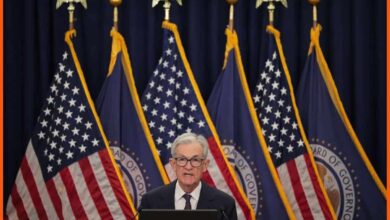
    The US Federal Reserve has implemented a 25 basis point reduction in its benchmark interest rate, marking its third consecutive cut this year. This adjustment lowers the rate to a range of 3.50% to 3.75%, aligning with market expectations and reaching the lowest level in nearly three years. While this decision signals positivity for global markets, including India, Indian equity benchmarks have recently faced declines, raising concerns about the effects of the Fed’s action on the Indian stock market.

    US Federal Reserve’s Rate Cut Decision

    In a recent monetary policy review, US Federal Reserve Chairman Jerome Powell indicated that the central bank is “well positioned to wait and see how the economy evolves from here.” The Fed’s latest policy statement has reintroduced language from late 2024, suggesting a potential pause in further rate cuts. Powell highlighted that the committee is prepared to evaluate the “extent and timing of additional adjustments” based on incoming data and the changing economic outlook. The Fed has projected one more rate cut for the upcoming year, reflecting increasing concerns surrounding employment. This cautious stance implies that while the Fed is receptive to further adjustments, it will closely monitor economic indicators before making decisions.

    Implications for Indian Stock Markets

    Experts generally perceive the Fed’s rate cut as a positive for Indian markets. Vijay Singh Gour, a research analyst at Mirae Asset Sharekhan, observed that the Fed’s monetary policy significantly affects capital flows into India. The anticipated 25 basis point cut is expected to improve global liquidity, making Indian equities more appealing to foreign institutional investors (FIIs). Reduced US Treasury yields typically result in heightened allocations to emerging markets like India, potentially boosting inflows and supporting the Indian rupee. Sujan Hajra, Chief Economist at Anand Rathi Group, echoed this view, suggesting that the Fed’s decision may relieve some pressure on Indian markets, which are currently grappling with foreign capital outflows and uncertain conditions regarding the India-US trade deal.

    Market Reactions and Future Outlook

    Despite the generally positive implications of the Fed’s rate cut, some analysts warn that the overall impact on Indian markets might be limited. Dr. VK Vijayakumar, Chief Investment Strategist at Geojit Investments Limited, noted that, while the rate cut is advantageous, the market is currently weighed down by persistent selling from FIIs, a high influx of IPOs, and stagnant earnings growth over the past six quarters. He stressed that earnings growth is essential for market recovery and predicts improvements in the coming quarters. Additionally, a slowdown in IPO activity is anticipated in 2026, which, when combined with a rebound in earnings, could create a more favorable market environment. Vijayakumar believes that current market weaknesses present opportunities for investors to buy high-quality stocks, particularly in large-cap and selectively in mid-cap segments.

    Disclaimer: Digihunt is not a financial advisor and this is not investment advice.

  • India to Attract $135 Billion in Foreign Direct Investment by 2025

    This year is shaping up to be a landmark one for foreign direct investment (FDI) in India, with overseas companies poised to inject at least $135 billion into the country. Major players from various sectors, including technology, automotive, and energy, have announced significant investments. The government anticipates a surge in FDI inflows, fostering optimism that total investments could exceed the $100 billion mark for the first time in the current financial year.

    Surge in Foreign Investments

    The Indian government has reported a remarkable 16% increase in FDI inflows, reaching $50.4 billion during the first half of the financial year. This figure encompasses both equity investments and reinvested earnings. Noteworthy announcements from tech giants like Google, Microsoft, and Amazon, which collectively account for over $70 billion in commitments, contribute to a positive outlook for FDI. Additionally, there are approximately 750 to 800 investment proposals from companies such as Foxconn, Vinfast, and Shell Energy, adding another $65 billion to the potential inflow.

    Government officials express confidence that these investments will not only bolster the economy but also create a more favorable environment for future foreign investments. An anticipated annual foreign direct investment of $27 billion over the next five years is expected to significantly enhance India’s economic landscape, particularly in light of last year’s gross inflows of $81 billion.

    Challenges and Opportunities

    Despite the positive trends, the Indian government faces challenges, particularly regarding net FDI. Recent data suggests that net FDI was estimated at $7.6 billion during the first half of this year, a notable increase from $3.4 billion during the same period last year. However, the overall net FDI for the entire 2024-25 financial year was below $1 billion, primarily due to substantial repatriation and disinvestment by foreign investors, which reached nearly $50 billion last year.

    Officials believe that significant FDI flows will help reverse this trend. They emphasize the need for continued gross FDI inflows to maintain momentum and support the economy. The government is focused on attracting investments in emerging sectors, such as electric vehicles (EVs), while simultaneously addressing the exits of major automotive companies like Ford and General Motors from the Indian market.

    Sectoral Focus and Future Prospects

    Current investment trends indicate a robust focus on the technology sector, particularly in semiconductors and other high-tech industries. The government is actively seeking to attract more investments in the EV space, aiming to draw companies like Tesla to establish manufacturing facilities in India. This strategy is designed to position India as a key player in the global supply chain while ensuring competitiveness in the rapidly evolving automotive sector.

    Additionally, the government is keen to leverage the vast pool of talent available in India, including engineers and finance professionals, to attract global investors. This approach aims not only to meet domestic consumption needs but also to secure India’s position as a strategic base for companies looking to expand into other markets.

    Digihunt is not a financial advisor and this is not investment advice.

  • IndiGo Chairman Assures No Plans to Change Pilot Rest Rules

    IndiGo Chairman Assures No Plans to Change Pilot Rest Rules

    Under increasing government scrutiny, IndiGo’s chairman, Vikram Singh Mehta, has addressed the recent flight disruptions that left thousands of passengers stranded. In an eight-minute video message, he apologized for the chaos, asserting that the disruptions were not intentional. Mehta stated that external experts will be brought in to investigate the root causes and prevent future incidents. He clarified that the airline adhered to new pilot rest regulations and maintained safety standards during the turmoil.

    Flight Disruptions Explained

    The recent disruptions at IndiGo began on December 3, when unexpected events led to widespread cancellations. This situation extended into the following days, affecting thousands of travelers. Mehta acknowledged that the airline failed to meet customer expectations during this challenging time. He attributed the disruptions to a mix of internal and external factors, which included minor technical glitches, schedule changes due to the winter season, adverse weather conditions, and increased congestion in the aviation system. He stressed that these factors pushed the airline’s systems beyond their limits, resulting in unprecedented chaos.

    Denial of Deliberate Actions

    In his address, Mehta firmly denied allegations that IndiGo engineered the crisis to evade compliance with new pilot rest rules. He stated that the airline has consistently adhered to these regulations since their implementation. Mehta acknowledged criticisms, noting that while some were justified, others were unfounded. He assured stakeholders that the board was actively involved in managing the situation and that corrective measures would be taken to restore trust in the airline. He emphasized that the disruptions were not the result of deliberate actions or safety compromises.

    Commitment to Improvement

    Mehta recognized that the recent events have tarnished IndiGo’s previously unblemished safety record. He expressed the airline’s commitment to learning from this experience and making necessary improvements. The chairman stated that the company must win back the trust of its customers, government, shareholders, and employees. He noted that while the path to regaining confidence would be challenging, it would depend on the airline’s actions moving forward rather than mere words. IndiGo has since resumed normal operations, operating 1,900 flights to 138 destinations with improved punctuality.

    Future Steps and Accountability

    Looking ahead, Mehta announced that external technical experts would collaborate with IndiGo’s management to identify the root causes of the disruptions. This initiative aims to ensure that such chaos does not happen again. He reiterated the airline’s commitment to transparency and accountability, stating that the company would thoroughly examine every aspect of what went wrong. Mehta concluded by acknowledging the need for the airline to take responsibility for its errors and to embark on a journey of rebuilding trust with its stakeholders.

    Digihunt is not a financial advisor and this is not investment advice.

  • Trump Launches Gold Card for Direct Citizenship in Response to Corporate Needs

    Trump Launches Gold Card for Direct Citizenship in Response to Corporate Needs

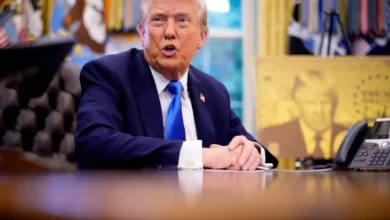
    US President Donald Trump has launched a new immigration initiative called the “Trump Gold Card,” aimed at providing a streamlined path to citizenship for qualified individuals. Announced recently, the program allows applicants to start submitting their requests immediately. Trump emphasized its potential to attract skilled talent to the United States, claiming it will benefit both the individuals and American companies.

    Details of the Trump Gold Card

    The Trump Gold Card is tailored to offer a direct route to citizenship for vetted applicants. In a post on Truth Social, Trump expressed enthusiasm for the initiative, stating, “THE UNITED STATES GOVERNMENT’S TRUMP GOLD CARD IS HERE TODAY!” He highlighted that the program would enable American companies to retain valuable talent that might otherwise leave the country after their education. Trump mentioned that the application site would be operational shortly after his announcement, with all funds generated going directly to the U.S. Treasury.

    The former president compared the Gold Card to the traditional green card but claimed it offers significant advantages. Companies would have the ability to sponsor individuals from various educational institutions, allowing them to remain in the U.S. Trump specifically referred to conversations with Apple CEO Tim Cook, who he said raised concerns about retaining skilled workers. The initiative is projected to generate substantial revenue for the U.S. government, with Trump estimating potential returns in the billions.

    Financial Requirements and Previous Proposals

    While details of the Trump Gold Card program are still emerging, earlier proposals for a similar visa program suggested significant financial contributions. Individual applicants were expected to donate $1 million to the U.S. Treasury, while corporate sponsors would need to contribute $2 million, along with a non-refundable processing fee of $15,000. These financial requirements were aimed at attracting wealthy or highly skilled foreign nationals to the United States.

    Moreover, a proposed “Platinum Card” tier would permit individuals to spend up to 270 days a year in the U.S. without being subject to foreign income taxation, in exchange for a $5 million investment. However, it remains uncertain whether this tier will be a part of the current rollout of the Trump Gold Card program.

    Implications for U.S. Immigration Policy

    The introduction of the Trump Gold Card aligns with a broader objective to enhance U.S. immigration policy by attracting top talent and significant foreign investment. The initiative aims to create a more efficient pathway for skilled individuals to gain residency in the United States, a topic that has been discussed in previous administrations. By providing a faster route to citizenship, the program seeks to address the challenges faced by foreign graduates who often have to leave the country after their studies.

    As the details of the Trump Gold Card continue to unfold, it is expected to spark discussions about its potential impact on the U.S. labor market and immigration landscape. The initiative could reshape how American companies approach hiring international talent and may influence future immigration reforms.

    Next Steps for Applicants

    Individuals interested in applying for the Trump Gold Card can begin the process as the application site is now open. While the full details of the application process and requirements are still being clarified, prospective applicants are encouraged to stay informed about updates. The program’s success will depend on its ability to attract qualified individuals and meet the expectations set by the Trump administration. As the initiative progresses, its reception among businesses and potential applicants will be closely monitored.

    Digihunt is not a financial advisor and this is not investment advice.

  • China’s  Trillion Trade Surplus: IMF Urges Emphasis on Domestic Growth Over Export Reliance

    China’s $1 Trillion Trade Surplus: IMF Urges Emphasis on Domestic Growth Over Export Reliance

    The head of the International Monetary Fund (IMF), Kristalina Georgieva, has urged China to tackle its economic imbalances, noting that the nation can no longer rely primarily on exports for growth. Despite a drop in shipments to the United States due to tariffs from the Trump administration, China’s overall exports have continued to increase. Recently, Beijing revealed that its trade surplus for 2025 has already exceeded a record $1 trillion, raising questions about the sustainability of its export-driven growth model.

    China’s Export Dependency

    Georgieva’s statements underscore the dangers related to China’s heavy reliance on export-led growth. She mentioned that as China’s economy has expanded, it has become “too big to rely on exports as a source for growth.” The IMF Managing Director highlighted that the country has a vast domestic market that could act as a significant engine for future economic development. This transition is vital, especially amid rising global trade tensions. Georgieva cautioned that continued dependence on foreign demand might provoke stronger reactions from trading partners, which could lead to more economic friction.

    Chinese officials share this sentiment, recognizing the necessity to enhance domestic consumer spending. During a recent policy meeting, leaders reaffirmed their commitment to reducing the economy’s dependence on exports and large infrastructure projects. However, several challenges persist, including the lingering impact of the pandemic and a prolonged downturn in the real estate sector, which have considerably affected economic growth.

    Challenges to Domestic Growth

    Despite the government’s efforts to shift towards domestic consumption, progress has been slow. The IMF’s annual review of China’s economy indicated that weak consumer spending and sluggish household demand have pressured the yuan, making Chinese goods more affordable on the international market. This scenario has widened trade gaps, prompting the IMF to recommend broader policy measures to boost consumer spending.

    Even with a projected growth rate of nearly 5%, many Chinese households remain cautious. Years of job losses and income reductions due to the pandemic have made consumers hesitant to spend. The ongoing decline in the property market has further eroded household wealth, leading to diminished appetites for spending and imports. Consequently, while China has increased its exports to regions like Africa, Latin America, Southeast Asia, and Europe, there are concerns that the country’s import growth is not keeping pace with its export expansion.

    Future Outlook and Global Trade Relations

    Looking ahead, Morgan Stanley’s forecasts suggest that China’s share of global exports could increase to 16.5% by 2030, up from about 15% currently. This growth is anticipated to be driven by advancements in sectors such as electric vehicles, robotics, and battery technology. However, Georgieva emphasized that for China to attain sustainable growth, it must implement policies that encourage domestic consumption and lessen its reliance on exports.

    The European Union Chamber of Commerce in China has expressed rising concerns regarding China’s substantial trade surplus, indicating it poses increasing challenges for global trade relations. Premier Li Qiang recently acknowledged that higher tariffs have detrimental effects on the global economy, underscoring the need for China to reevaluate its economic strategies amid shifting global dynamics. As the country navigates these challenges, the emphasis will likely remain on balancing export growth with fostering a robust domestic market.

    Digihunt is not a financial advisor and this is not investment advice.

  • Amazon Takes Indian Business Models to Global Markets

    Amazon Takes Indian Business Models to Global Markets

    Amazon is expanding its rapid delivery services beyond India with the launch of the “Amazon Now” model in several countries, including the UAE, Egypt, Saudi Arabia, Mexico, and the United States. Udit Madan, a senior vice president at Amazon, highlighted the company’s commitment to innovation in logistics. He emphasized that the successful delivery strategies learned in India are being adapted to various global markets. Madan addressed concerns regarding automation in supply chains, asserting that these advancements will not result in job losses but will instead create new employment opportunities.

    Global Expansion of Delivery Services

    Amazon is making significant progress by introducing the “Amazon Now” model in diverse international markets. This service facilitates rapid delivery, with some locations in the United States now offering delivery within just 30 minutes. Udit Madan noted that while Amazon may not have pioneered 10-minute delivery in India, it is utilizing its experiences to enhance customer service globally. Innovations from India, like cash-on-delivery and partnerships with local stores for package drop-offs, have proven effective and are being implemented in other countries. Notably, the Amazon Hub Points program, which originated in India, is now servicing urban areas like Manhattan, demonstrating the adaptability of Amazon’s logistics strategies.

    Innovation and Adaptation

    Madan emphasized the significance of local innovations that can be successfully adapted for global markets. He pointed out that the cash-on-delivery model, initially developed in India, is now relevant in various regions, even in rural Spain, where there are similar logistical challenges. This adaptability illustrates Amazon’s capability to learn from different markets and implement solutions that address diverse customer needs. The company’s focus on innovation extends beyond delivery speed; it also aims to enhance the overall customer experience through tailored services that resonate with local populations.

    Impact of Automation on Employment

    In response to concerns surrounding automation and robotics and their effect on jobs, Madan reassured that these technological advancements will not lead to job losses. He cited examples from the United States, where automation has resulted in a notable increase in job opportunities, with many roles evolving to focus on more intricate tasks. According to Madan, while robots handle repetitive duties, human workers are liberated to engage in value-added activities that demand critical thinking and creativity. He believes that ongoing automation in supply chains will ultimately foster the creation of more skilled jobs, addressing fears of widespread unemployment.

    Commitment to Job Creation

    Madan underscored Amazon’s commitment to job creation in India, mentioning that the company currently supports 2.8 million jobs and aims to increase that figure to 3.8 million. This commitment reflects Amazon’s belief in the potential of innovation to generate new opportunities rather than diminish them. As the company evolves and adapts its services, it remains focused on cultivating a workforce capable of thriving in an increasingly automated environment. Madan’s insights highlight Amazon’s strategy of balancing technological advancements with a dedication to improving employment prospects in the regions it serves.

    Digihunt is not a financial advisor and this is not investment advice.

  • US Trade Representative Calls India a Tough Challenge in Trade Negotiations

    US Trade Representative Calls India a Tough Challenge in Trade Negotiations

    US Trade Representative Jamieson Greer has labeled India a “tough nut to crack” in the ongoing trade discussions, while also recognizing that India has presented some of the most favorable offers for a bilateral trade agreement. As a US delegation participates in talks in India, both countries are aiming to finalize an initial phase of the agreement within the year. The negotiations are taking place against a backdrop of substantial tariffs that the US has placed on Indian exports, particularly crude oil imports from Russia.

    Current Negotiations and Tariff Challenges

    Greer’s comments emerge as a US delegation, led by Deputy Trade Representative Rick Switzer, meets with Indian officials for two days of discussions. The objective is to create a mutually beneficial trade arrangement amidst existing tariffs that have put a strain on trade relations. The US has imposed a 50% tariff rate on Indian exports, which includes a specific 25% penalty on India’s crude oil imports from Russia. This situation has raised concerns among Indian manufacturers and exporters, who are anxious for a swift resolution as the heightened tariffs have negatively affected their shipments to the US.

    Despite these challenges, Greer highlighted that India’s proposals have been well-received, suggesting potential for advancement in the talks. The discussions cover several trade issues, including the US’s request for reduced duties on agricultural products like almonds, corn, and apples. However, India remains steadfast in protecting its agricultural and dairy sectors, stressing the importance of safeguarding its farmers and micro, small, and medium enterprises (MSMEs).

    India’s Trade Position and Economic Impact

    The trade relationship between India and the US is crucial, with the US representing approximately 18% of India’s total exports. For the fiscal year 2024-25, the US is expected to remain India’s primary trading partner, with bilateral trade projected to reach $131.84 billion. However, recent statistics indicate a decline of 8.58% in India’s merchandise exports to the US in October, marking the second consecutive monthly fall. This downward trend emphasizes the urgency for Indian exporters to address tariff concerns and secure a favorable trade agreement.

    Indian Commerce Secretary Rajesh Agrawal has expressed optimism regarding the negotiations, indicating that they are progressing towards a bilateral trade agreement. The Indian government is eager to conclude the initial phase of the agreement by autumn 2025, with aspirations to elevate bilateral trade to $500 billion by 2030. The ongoing negotiations have already seen six rounds of discussions, reflecting a strong commitment from both sides to enhance economic ties.

    Future Prospects and Strategic Importance

    As the negotiations proceed, both India and the US are looking into various avenues to strengthen their trade relationship. The discussions are not limited to tariffs but also cover a broader trade deal aimed at addressing reciprocal tariff challenges that Indian exporters face. The current visit of the US delegation represents a significant advancement in tackling these issues, following a previous visit in September.

    The Indian government is actively invested in these discussions, with Commerce and Industry Minister Piyush Goyal underscoring the importance of the bilateral trade agreement. The ongoing negotiations are viewed as a strategic initiative to enhance economic cooperation between the two nations, especially considering the evolving global trade environment. As both nations strive for a resolution, the outcomes of these discussions will have long-term implications for their economic futures and trade dynamics.

    Digihunt is not a financial advisor and this is not investment advice.

  • US Markets Steady Near All-Time Highs; S&P 500 Falls as Traders Eye Fed’s 2026 Interest Rate Outlook

    US Markets Steady Near All-Time Highs; S&P 500 Falls as Traders Eye Fed’s 2026 Interest Rate Outlook

    US equities displayed minimal fluctuations on Wednesday morning as investors awaited the Federal Reserve’s upcoming policy announcement. The S&P 500 dipped slightly by 0.1%, staying close to its record highs, while the Dow Jones Industrial Average remained stable. In contrast, the Nasdaq experienced a 0.3% decline. Treasury yields also showed little movement as traders braced for the Fed’s decision, with expectations leaning toward a potential interest rate cut aimed at bolstering employment.

    Market Anticipation Ahead of Fed Announcement

    As the market opened, futures for the S&P 500 and Dow both fell by less than 0.1%, with Nasdaq futures showing a similar decrease. Investors largely anticipate that the Federal Reserve will implement its third interest rate reduction of the year, seen as a strategy to support job growth amid ongoing economic challenges. Market participants are also closely focused on indications regarding future rate adjustments, especially for 2026, with many expecting a more cautious approach to forthcoming cuts. The Fed’s announcement is expected to provide clarity on these matters as inflation rates continue to surpass the central bank’s target of 2%.

    Corporate Developments Impacting Stock Prices

    Several companies reported significant premarket activity that influenced their stock prices. Cracker Barrel saw its shares plummet by 8% after announcing a 4.7% drop in same-store sales for the first quarter. The company revised its full-year revenue guidance downward following an unsuccessful rebranding effort. On a more positive note, PepsiCo’s stock rose by 1.4% after the company revealed plans to cut prices and streamline its product lineup by nearly 20% as part of an agreement with an activist investor. The savings from these changes are intended to be redirected towards marketing and enhancing consumer value. Meanwhile, GameStop’s shares fell nearly 7%, despite exceeding profit expectations, as its revenue figures fell short of forecasts.

    Global Market Trends and Commodity Prices

    Global markets displayed a mixed performance. In Europe, France’s CAC 40 index fell by 0.4%, Germany’s DAX declined by 0.5%, while the UK’s FTSE 100 managed a slight gain of 0.3%. In Asia, Japan’s Nikkei 225 decreased by 0.1%, and Australia’s S&P/ASX 200 also dropped by 0.1%. South Korea’s Kospi fell by 0.2%, whereas Hong Kong’s Hang Seng index rose by 0.4%. China’s Shanghai Composite slipped by 0.2%, while Taiwan’s Taiex surged by 0.8%.

    In the commodities market, US crude oil prices fell by 30 cents to $58.55 per barrel, and Brent crude dropped by 26 cents to $62.20 per barrel. Notably, silver prices reached a new high, trading above $60 per ounce. Investors are closely monitoring these developments, particularly in light of the anticipated Fed announcement, as they weigh the potential benefits of lower interest rates against the ongoing risk of rising inflation.

    Looking Ahead: Investor Sentiment

    As the Federal Reserve prepares to make its policy announcement, investor sentiment remains cautious yet hopeful. The potential for lower interest rates is seen as a means to stimulate economic growth and support employment. However, persistent inflationary pressures complicate the outlook. Investors are acutely aware that any decisions made by the Fed could substantially impact both the stock market and the broader economy. With the Fed’s track record of navigating economic challenges, all eyes will be on their forthcoming statements and actions.

    Digihunt is not a financial advisor and this is not investment advice.

  • Nvidia Creates Location Tracking Tech to Prevent AI Chip Smuggling and Manage GPU Fleet

    Nvidia Creates Location Tracking Tech to Prevent AI Chip Smuggling and Manage GPU Fleet

    Nvidia is making significant moves to bolster the security of its advanced artificial intelligence processors by launching a location verification feature. This initiative aims to thwart the smuggling of its chips into countries with export restrictions, especially amid increasing scrutiny from U.S. lawmakers. The decision follows recent legal actions against groups attempting to illegally export Nvidia processors to China, underlining the growing concerns surrounding the control of high-end AI technology.

    New Location Verification Feature

    Nvidia’s location verification feature is intended to ensure that its AI processors are not misappropriated for use in restricted regions. Sources familiar with the situation indicate that this feature will be available as an optional software update for Nvidia’s latest Blackwell chips. Utilizing the confidential computing capabilities of Nvidia’s GPUs, the technology estimates a chip’s location by measuring communication delays between the device and Nvidia-operated servers. Initially developed for data center operators to monitor chip performance, this capability has gained importance in light of export controls.

    The rollout of this feature coincides with the U.S. government’s escalating efforts to regulate the export of advanced technology to countries like China. There is a growing concern among lawmakers and officials regarding the potential misuse of high-end AI hardware, prompting Nvidia to adopt proactive measures to safeguard its products. The company has stated that this new software service will allow data center operators to more effectively monitor the health and inventory of their AI GPU fleets.

    Regulatory Pressures and International Concerns

    The push for stricter oversight of AI hardware exports is gaining momentum in the United States, particularly following the Department of Justice’s legal actions against groups accused of trying to smuggle over $160 million worth of Nvidia processors into China. This increased scrutiny has led to questions about the security of Nvidia’s products, with inquiries from China’s top cybersecurity regulator concerning potential backdoors that could allow the U.S. to bypass security measures. Nvidia has categorically rejected these claims, stating that its chips are secure and free from such vulnerabilities.

    The geopolitical implications of these developments are significant. U.S. President Donald Trump recently expressed a willingness to permit exports of Nvidia’s H200 processors to China, sparking discussions among foreign policy experts about whether local buyers in China would be able to acquire these chips. Ongoing conversations highlight the complexities surrounding international trade in advanced technology and its potential impact on global supply chains.

    Enhanced Security Features in New Chip Generations

    Nvidia’s new location verification feature will debut with its latest Blackwell chips, which offer improved attestation capabilities compared to previous generations like Hopper and Ampere. The company is also considering extending this update to earlier chip models, ensuring a broader range of products can benefit from enhanced security measures. This initiative underscores Nvidia’s commitment to maintaining the integrity of its technology while addressing the concerns of regulators and customers.

    In a statement, Nvidia reaffirmed its dedication to equipping data center operators with tools to effectively manage their AI GPU fleets. The company noted that the new software agent will leverage GPU telemetry to monitor fleet health, integrity, and inventory, ultimately boosting operational efficiency. As the landscape of AI technology continues to evolve, Nvidia’s proactive approach to security and compliance will be crucial in shaping the future of its products and their global distribution.

    Digihunt is not a financial advisor and this is not investment advice.

  • India-EU Trade Deal: Goyal Highlights Positive Progress in Free Trade Agreement Talks

    India-EU Trade Deal: Goyal Highlights Positive Progress in Free Trade Agreement Talks

    Commerce and Industry Minister Piyush Goyal announced that negotiations for a free trade agreement (FTA) between India and the European Union (EU) are progressing positively. A preliminary outline of the agreement has been established, and both parties are keen to finalize the deal soon. Goyal expressed confidence in reaching a conclusion, particularly with a deadline approaching at the end of December, coinciding with the upcoming Republic Day celebrations in India.

    Progress in Negotiations

    During a recent visit to New Delhi, Goyal met with Maros Sefcovic, the European Union Commissioner for Trade and Economic Security, to review the status of the FTA negotiations. The discussions, held on December 8 and 9, were described as very positive by Goyal. He emphasized that both sides are committed to concluding the agreement as soon as possible. The urgency is heightened by the scheduled attendance of top EU leadership at India’s Republic Day parade on January 26, followed by an India-EU summit the next day. While Goyal noted that he cannot guarantee a specific timeline for the conclusion, there is a strong commitment from both parties to expedite the process.

    Historical Context of the Talks

    Negotiations for the FTA resumed in June 2022 after being stalled for over eight years. The discussions encompass a comprehensive free trade agreement, an investment protection pact, and a deal on geographical indications. The talks initially faced challenges in 2013 due to disagreements over market access. Since then, India and the EU have intensified their efforts to reach an agreement, recognizing the potential benefits for both economies.

    India’s bilateral trade with the EU has been significant, reaching $136.53 billion in the fiscal year 2024-25. Exports from India to the EU were valued at $75.85 billion, while imports stood at $60.68 billion. This trade relationship makes the EU India’s largest trading partner for goods, accounting for approximately 17% of India’s total exports.

    Key Areas of Negotiation

    The negotiations cover 23 policy areas, including trade in goods and services, investment, customs and trade facilitation, and intellectual property rights. The EU has proposed substantial duty reductions on various products, including automobiles, medical devices, wine, and spirits. Additionally, the EU seeks a robust intellectual property framework to protect innovations and creations. If finalized, the FTA could enhance the competitiveness of Indian exports, which include readymade garments, pharmaceuticals, and steel.

    The agreement aims to create a more favorable trading environment, benefiting both Indian exporters and EU importers. As the deadline approaches, the focus remains on resolving outstanding issues to pave the way for a successful conclusion to the negotiations.

    Future Implications

    The potential FTA between India and the EU holds significant implications for both economies. It could lead to increased trade flows, job creation, and economic growth. The agreement is expected to enhance market access for Indian products in the EU while also providing European companies with greater opportunities in the Indian market. As both sides work towards finalizing the deal, the outcome will be closely watched by businesses and policymakers alike, given its potential to reshape trade dynamics between India and the EU.

    Digihunt is not a financial advisor and this is not investment advice.