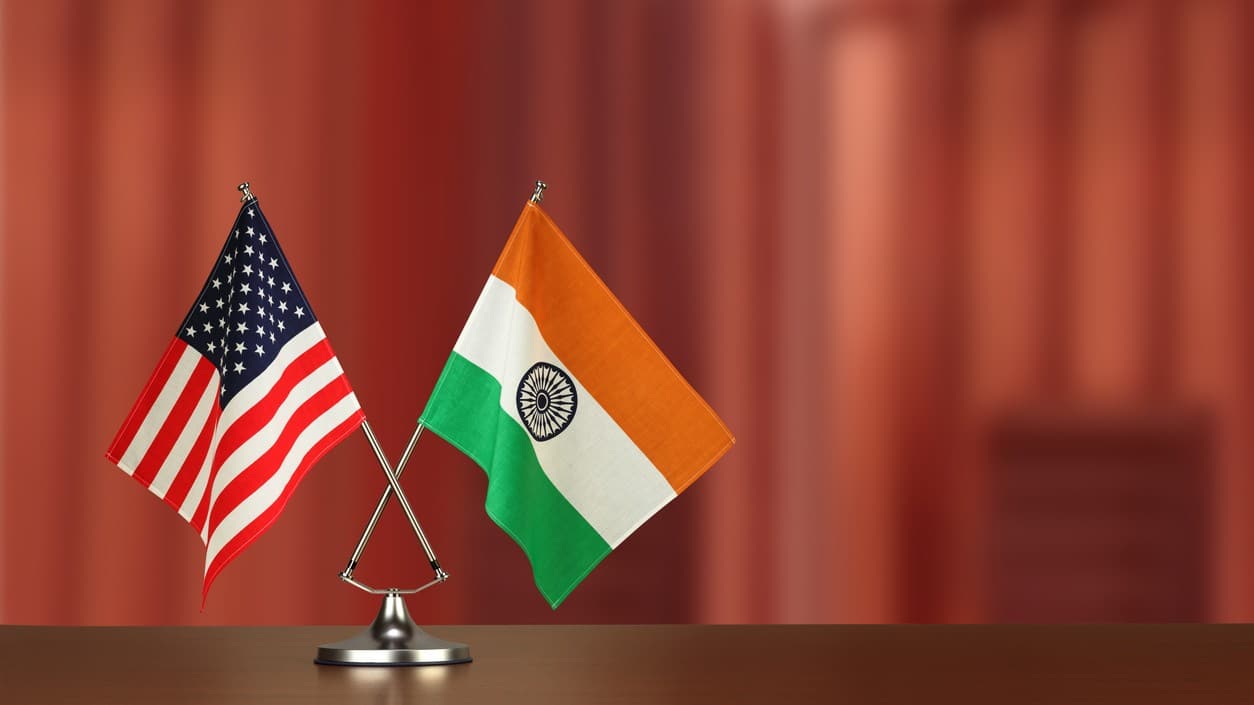
US Trade Representative Jamieson Greer has labeled India a “tough nut to crack” in the ongoing trade discussions, while also recognizing that India has presented some of the most favorable offers for a bilateral trade agreement. As a US delegation participates in talks in India, both countries are aiming to finalize an initial phase of the agreement within the year. The negotiations are taking place against a backdrop of substantial tariffs that the US has placed on Indian exports, particularly crude oil imports from Russia.
Current Negotiations and Tariff Challenges
Greer’s comments emerge as a US delegation, led by Deputy Trade Representative Rick Switzer, meets with Indian officials for two days of discussions. The objective is to create a mutually beneficial trade arrangement amidst existing tariffs that have put a strain on trade relations. The US has imposed a 50% tariff rate on Indian exports, which includes a specific 25% penalty on India’s crude oil imports from Russia. This situation has raised concerns among Indian manufacturers and exporters, who are anxious for a swift resolution as the heightened tariffs have negatively affected their shipments to the US.
Despite these challenges, Greer highlighted that India’s proposals have been well-received, suggesting potential for advancement in the talks. The discussions cover several trade issues, including the US’s request for reduced duties on agricultural products like almonds, corn, and apples. However, India remains steadfast in protecting its agricultural and dairy sectors, stressing the importance of safeguarding its farmers and micro, small, and medium enterprises (MSMEs).
India’s Trade Position and Economic Impact
The trade relationship between India and the US is crucial, with the US representing approximately 18% of India’s total exports. For the fiscal year 2024-25, the US is expected to remain India’s primary trading partner, with bilateral trade projected to reach $131.84 billion. However, recent statistics indicate a decline of 8.58% in India’s merchandise exports to the US in October, marking the second consecutive monthly fall. This downward trend emphasizes the urgency for Indian exporters to address tariff concerns and secure a favorable trade agreement.
Indian Commerce Secretary Rajesh Agrawal has expressed optimism regarding the negotiations, indicating that they are progressing towards a bilateral trade agreement. The Indian government is eager to conclude the initial phase of the agreement by autumn 2025, with aspirations to elevate bilateral trade to $500 billion by 2030. The ongoing negotiations have already seen six rounds of discussions, reflecting a strong commitment from both sides to enhance economic ties.
Future Prospects and Strategic Importance
As the negotiations proceed, both India and the US are looking into various avenues to strengthen their trade relationship. The discussions are not limited to tariffs but also cover a broader trade deal aimed at addressing reciprocal tariff challenges that Indian exporters face. The current visit of the US delegation represents a significant advancement in tackling these issues, following a previous visit in September.
The Indian government is actively invested in these discussions, with Commerce and Industry Minister Piyush Goyal underscoring the importance of the bilateral trade agreement. The ongoing negotiations are viewed as a strategic initiative to enhance economic cooperation between the two nations, especially considering the evolving global trade environment. As both nations strive for a resolution, the outcomes of these discussions will have long-term implications for their economic futures and trade dynamics.
Digihunt is not a financial advisor and this is not investment advice.