Author: Sumit Rathore

  • NCAER Report: India Must Tackle Issues to Improve Workforce Participation Quality and Quantity

    NCAER Report: India Must Tackle Issues to Improve Workforce Participation Quality and Quantity

    India is at a pivotal point in its economic growth, as highlighted by a recent report from the National Council of Applied Economic Research (NCAER). This study stresses the importance of overcoming existing challenges to boost workforce participation and labor productivity. It identifies skilling and small enterprises as essential for job creation. The report, titled “India’s Employment Prospects: Pathways to Jobs,” indicates that while self-employment has risen, the progress towards a skilled workforce is slow. Strengthening employment in labor-intensive sectors could help sustain India’s GDP growth at approximately 8 percent, aligning with the vision of a developed India.

    Challenges in Workforce Participation

    The NCAER report reveals significant obstacles in India’s workforce participation. Despite a favorable demographic advantage, the nation faces issues such as low levels of capital, productivity, and technology adoption in unincorporated household enterprises. Professor Farzana Afridi, the lead author of the study, notes that self-employment often arises from economic necessity rather than an entrepreneurial drive. Many small enterprises operate at subsistence levels, limiting their growth potential. The report emphasizes that India’s employment future is closely tied to enhancing the productivity of these small businesses.

    Moreover, the report highlights that enterprises utilizing digital technologies can employ significantly more workers than those that do not. A mere 1 percent increase in credit access can lead to a 45 percent rise in the number of hired workers, underscoring the importance of enhancing access to technology and financial resources for boosting employment.

    Skilling as a Key Driver

    The report underscores the critical role of skilling in tackling persistent employment challenges. As new technologies and artificial intelligence transform the job landscape, it becomes vital to upskill the workforce. Currently, medium-skilled jobs dominate employment growth, especially in the services sector, while manufacturing remains largely low-skill intensive. The study suggests that increasing the share of the skilled workforce by 12 percentage points through formal skilling initiatives could lead to more than a 13 percent increase in employment in labor-intensive sectors by 2030.

    Simulations in the study indicate that enhancing the formally skilled workforce could result in substantial job gains. Specifically, increasing the skilled workforce by 9 percentage points could potentially generate about 9.3 million jobs by 2030. This opportunity for job creation emphasizes the necessity of investing in education and training programs to prepare the workforce for future demands.

    Opportunities for Employment Growth

    The NCAER report identifies critical sectors with significant potential to drive employment growth in India. G C Manna, a Senior Advisor at NCAER, pointed out that the findings illustrate areas where targeted efforts could produce substantial results. The report contextualizes India on an international scale, showcasing unique opportunities for improvement and alignment with global benchmarks.

    Professor Aditya Bhattacharjea from the Institute for Studies in Industrial Development remarks that the report provides valuable insights into enhancing India’s employment landscape. By concentrating on sectors with high growth potential and investing in skill development, India can better position itself to tackle the challenges of a rapidly changing global economy. The report serves as a call to action for policymakers and stakeholders to prioritize employment and inclusive growth as the nation aims to become the world’s third-largest economy.

    Digihunt is not a financial advisor and this is not investment advice.

  • Goyal Encourages US to Finalize ‘Best Ever’ Agreement with India Amid Trump’s Offers

    Goyal Encourages US to Finalize ‘Best Ever’ Agreement with India Amid Trump’s Offers

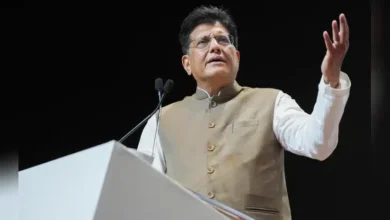
    Commerce and Industry Minister Piyush Goyal has reacted to a statement from a U.S. official, who referred to India’s trade proposals as the “best ever.” Although he did not provide a timeline for finalizing the India-U.S. trade deal, Goyal stressed that the U.S. should sign the agreement if they are satisfied with India’s offers. His comments come as a U.S. delegation visits India for further discussions on the bilateral trade agreement, spotlighting the ongoing negotiations between the two countries.

    Current Status of India-U.S. Trade Negotiations

    Piyush Goyal confirmed that five rounds of trade negotiations have already taken place between India and the United States. He indicated that the current visit of U.S. Deputy Trade Representative Rick Switzer is not primarily aimed at negotiations; rather, it serves as a chance for both sides to enhance mutual understanding. Goyal mentioned having had “substantial discussions” with Switzer during this visit, marking Switzer’s first trip to India since taking office three months ago.

    Goyal is actively pursuing Free Trade Agreements with multiple countries, including Chile, Israel, and New Zealand. He asserted that a successful trade deal must benefit both parties involved. He cautioned against negotiating under tight deadlines, as this can lead to mistakes. Goyal expressed optimism about the progress of U.S. negotiations, suggesting that positive advancements are being made.

    Challenges in the Negotiation Process

    During a recent Senate Appropriations Subcommittee session, U.S. Trade Representative Jamieson Greer acknowledged the challenges posed by India in trade discussions, particularly concerning certain agricultural products. Greer identified India’s resistance to American row crops—such as corn, soybeans, wheat, and cotton—as a significant obstacle. He described India as a “difficult nut to crack,” but also mentioned that the offers being discussed are the best the U.S. has ever received from India, hinting at the potential for a viable alternative market.

    The ongoing discussions are crucial, especially since the U.S. has imposed substantial tariffs—up to 50 percent—on Indian imports. These tariffs have negatively impacted the Indian rupee, which has recently fallen to record lows. Indian businesses and exporters are eagerly anticipating the conclusion of these negotiations, as the heightened import duties have adversely affected their shipments to the U.S. The U.S. market is vital for India, accounting for approximately 18 percent of its exports.

    Impact of Tariffs on Trade Relations

    The trade relationship between India and the U.S. has faced challenges due to tariffs. Initially, the U.S. implemented a 25 percent duty on Indian goods, citing concerns over a trade deficit that reached $46 billion in 2024-25. An additional 25 percent penalty was later introduced in response to India’s purchases of Russian crude oil. India has emphasized that addressing these tariffs is crucial for advancing the first phase of the trade deal.

    As negotiations proceed, both nations are eager to find common ground. The outcome of these discussions could significantly influence trade dynamics and economic relations between India and the U.S. Indian officials remain hopeful that a favorable agreement can be reached, which would ease the burden of high tariffs and foster a more robust trade partnership.

    Digihunt is not a financial advisor and this is not investment advice.

  • What Trump’s  Million Gold Card Means for Indian EB-5 Visa Applicants

    What Trump’s $1 Million Gold Card Means for Indian EB-5 Visa Applicants

    Indians aspiring to achieve the American dream have a new opportunity with the launch of President Donald Trump’s Gold Card program. Announced in the White House’s Roosevelt Room, this initiative aims to provide a pathway to legal status and eventual citizenship for foreign nationals willing to invest significantly in the United States. With a $1 million fee for individuals and $2 million for corporate applicants, the Gold Card is positioned as a more accessible alternative to the traditional Green Card, especially amid long waiting times and stricter visa regulations.

    Understanding the Gold Card Program

    The Gold Card program is designed to attract exceptional talent to the United States while generating revenue for the federal government. Initially proposed at a $5 million fee, the cost was later adjusted to $1 million for individual applicants and $2 million for corporate entities. This investment counts as a donation to the U.S. Department of Commerce, with all proceeds directed to government initiatives. The program offers a permanent residency status similar to a Green Card, creating a clear pathway to citizenship.

    President Trump emphasized that the Gold Card is “much better” than the Green Card, presenting a more robust and reliable route for skilled individuals. He highlighted that this initiative would assist companies in hiring top graduates from prestigious universities, particularly from countries like China, India, and France. Commerce Secretary Howard Lutnick noted that a $15,000 assessment fee per applicant would ensure comprehensive background checks to confirm eligibility for U.S. entry. This initiative seeks to alleviate the challenges companies face in recruiting international talent due to existing visa restrictions.

    Comparing Gold Card and EB-5 Visa

    The introduction of the Gold Card coincides with many Indians seeking alternatives to the lengthy Green Card process. The EB-5 visa program, which allows foreign investors to obtain a Green Card through significant investments, has been a favored choice. This program requires an investment of either $800,000 or $1,050,000, depending on the project’s location, along with the creation or maintenance of at least ten full-time jobs for American workers.

    While the EB-5 program has offered a viable option for many, the Gold Card presents a distinct approach. Unlike the EB-5, which functions as an investment opportunity with potential returns, the Gold Card mandates a non-refundable payment. Additionally, the Gold Card does not specify job creation requirements, a key element of the EB-5 program. Legal experts indicate that the Gold Card could provide a faster alternative for those seeking permanent residency, though the processing in relation to existing visa categories remains to be clarified.

    Implications for Indian Applicants

    The Gold Card program is particularly appealing to high-net-worth individuals (HNIs) in India who aim to secure their children’s future in the United States. As the second-largest group of EB-5 applicants, Indians have increasingly gravitated towards this route due to lengthy wait times linked with traditional Green Card applications. The EB-5 program has drawn substantial investments, with USCIS reporting that Indian nationals submitted approximately 1,050-1,150 applications following the implementation of the EB-5 Reform and Integrity Act in 2022.

    Experts suggest that while the Gold Card may promise quicker processing times, the EB-5 program continues to be the most cost-effective and accessible path for many applicants. The EB-5 program does not require extraordinary ability or evidence of national interest, making it a more straightforward option for families seeking permanent residency. As the landscape of U.S. immigration evolves, wealthy Indian families are likely to carefully consider the benefits and drawbacks of both programs.

    Digihunt is not a financial advisor and this is not investment advice.

  • How New Labour Codes Affect Salary, PF, ESI, Gratuity, and Bonuses in India

    How New Labour Codes Affect Salary, PF, ESI, Gratuity, and Bonuses in India

    The government has introduced new labour codes expected to significantly reshape employee compensation and benefits in India. These codes provide a revised framework for calculating wages, affecting provident fund contributions, bonus payouts, and gratuity for employees. Key provisions include a standardized definition of wages, minimum wage standards, and enhanced benefits for gig workers and women working night shifts. As these changes take effect, it will be essential for both employees and employers to manage the implications for their financial and operational practices.

    Understanding the New Definition of Wages

    The new labour codes redefine ‘wages’ to include all salary components paid to employees, with specific exclusions like house rent allowance and travel concessions. Importantly, these exclusions must not exceed 50% of the total remuneration. If they do, the excess amount will be added to the wages, ensuring that at least half of the total remuneration is classified as wages. This shift aims to create a more equitable framework for wage calculation, potentially increasing the base for various employee benefits. For example, if an employee’s total remuneration is ₹20,000 and the excluded components amount to ₹12,000, the excess ₹2,000 will be added to the wages, resulting in a wage classification of ₹10,000. This change is expected to have a significant impact on how wages are calculated across various sectors.

    Implications for Provident Fund Contributions

    The Code on Social Security, 2020, requires both employers and employees to contribute to the provident fund based on the newly defined wages. This code expands the coverage of the Employees’ Provident Fund to include all industries with twenty or more employees, which is a notable growth from previous regulations. Employees earning less than ₹15,000 per month must contribute to the provident fund, although there is an option for both employers and employees to contribute on higher wages if a joint declaration is made. The new definition also permits the inclusion of certain allowances, which could result in higher contributions. The practical impact of these changes will, however, depend on the detailed rules issued by the government. Foreign nationals working in India may now be required to contribute to the provident fund based on their full salary, as the ₹15,000 ceiling does not apply to them.

    Changes to Employees’ State Insurance (ESI) Coverage

    The new labour codes extend the coverage of Employees’ State Insurance (ESI) across India, removing previous geographical restrictions. Under old regulations, only employees earning a gross salary of less than ₹21,000 per month could avail of ESI. The new codes will redefine eligibility based on the updated definition of wages, which is expected to be lower than the gross salary. This change may increase the number of employees eligible for ESI, possibly leading to higher costs for organizations. However, since contributions will now be calculated on the new wage definition, overall ESI contributions per employee may decrease. This dual effect could create a more extensive safety net for employees while easing financial burdens on employers.

    Impact on Statutory Bonus and Gratuity Payouts

    The eligibility for statutory bonuses will also be influenced by the new labour codes. Currently, employees earning less than ₹21,000 per month qualify for bonuses under the Payment of Bonus Act. The new codes empower the Appropriate Government to set the wage threshold for bonus eligibility, which may vary by state. Additionally, the Code on Social Security, 2020, specifies that gratuity is payable upon employment termination, calculated based on 15 days of the last drawn wages for each completed year of service. This broader definition means that gratuity payouts could substantially increase as they will now include a wider range of salary components. Moreover, fixed-term employees will become eligible for gratuity after just one year of service, a significant reduction from the previous five-year requirement for permanent employees. These changes are likely to enhance financial security for workers while presenting new challenges for employers in managing their payroll and benefits structures.

    Digihunt is not a financial advisor and this is not investment advice.

  • US Jobless Claims Increase to 236,000 Amid Hiring Challenges, Federal Reserve Reports

    US Jobless Claims Increase to 236,000 Amid Hiring Challenges, Federal Reserve Reports

    US applications for unemployment benefits experienced a significant rise last week, leading to concerns regarding the stability of the labor market. The Labor Department reported that jobless claims for the week ending December 6 increased by 44,000, totaling 236,000. This number exceeded analysts’ expectations and represented a considerable increase from the previous week’s 192,000 claims. Despite this rise, the overall trend in unemployment claims remains in a historically low range, even as the Federal Reserve has voiced concerns about the underlying conditions in the job market.

    Jobless Claims Rise Amid Economic Concerns

    The latest figures from the Labor Department reveal a sharp increase in jobless claims, which are often viewed as a reliable indicator of layoffs. For the week ending December 6, claims escalated to 236,000, up from 192,000 the previous week. This jump surpassed analysts’ predictions of 213,000 new filings. The previous week’s data may have been affected by the Thanksgiving holiday, potentially distorting the reporting of claims. Despite this upward trend, the current level of claims remains relatively low compared to historical standards, suggesting that while layoffs are happening, they are not at alarming levels.

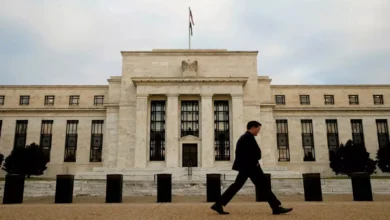
    In response to these developments, the Federal Reserve has reduced its benchmark lending rate for the third consecutive time. Fed Chair Jerome Powell expressed concerns that the strength of the job market may be weaker than the headline data implies. He pointed out that, while government figures indicate an average addition of 40,000 jobs per month since April, these numbers could be revised downward significantly, suggesting that actual job losses may be occurring.

    Labor Market Dynamics: Low-Hire, Low-Fire Environment

    The current labor market is described as a “low-hire, low-fire” environment, characterized by muted layoffs but significantly slowed hiring. This situation has resulted in a historically low unemployment rate, although it has made job searches increasingly difficult for many individuals. Recent estimates from the private payroll firm ADP pointed to a loss of 32,000 jobs in November, aligning with federal statistics that indicate a decline in job creation coinciding with the imposition of tariffs by the Trump administration in April.

    Despite the overall unemployment rate edging up to 4.4%, the highest level in four years, the dynamics of the labor market paint a complex picture. While certain sectors are facing job losses, others are maintaining their employment levels. The anticipated comprehensive federal jobs data for November has been delayed due to a government shutdown, leaving analysts and policymakers waiting for a clearer understanding of the labor market’s health.

    Unemployment Benefits and Seasonal Adjustments

    In related news, the number of Americans receiving unemployment benefits for the week ending November 29 fell by 99,000, bringing the total to 1.84 million. This is the lowest level since mid-April. However, analysts warn that this decrease may reflect seasonal adjustments and the expiration of benefits for many long-term unemployed workers. The four-week moving average of claims, which smooths out weekly fluctuations, slightly rose by 2,000 to 216,750.

    Major companies such as UPS, General Motors, Amazon, and Verizon have recently announced job cuts, which may take time to be reflected in the weekly claims figures. As the labor market continues to evolve, the implications of these layoffs and the overall economic climate will be closely observed by analysts and policymakers. The ongoing situation highlights the importance of understanding the complexities of the labor market as it navigates through these challenging times.

    Digihunt is not a financial advisor and this is not investment advice.

  • Gold and Silver Price Update: Will the Rally Continue? Trends and Insights Today

    Gold and Silver Price Update: Will the Rally Continue? Trends and Insights Today

    Gold and silver prices are exhibiting strong bullish trends, as noted by Abhilash Koikkara, Head of Forex & Commodities at Nuvama Professional Clients Group. He emphasizes that both metals are set for further gains, with key support levels indicating active buying interest. Traders are encouraged to closely monitor price movements, especially as they near significant resistance levels.

    MCX Gold Price Outlook

    Currently, the MCX Gold market reflects a solid bullish undertone, suggesting that further upside is possible. Prices are anticipated to remain robust as long as they stay above the critical support zone of ₹1,27,000. This level has consistently shown strong demand, indicating buyers are ready to enter when prices dip. If this momentum persists, the following significant resistance level is expected around ₹1,34,000.

    A sustained move above this threshold could spark additional buying interest, particularly if supported by favorable global factors such as lower bond yields, geopolitical tensions, or a weaker U.S. dollar. Additionally, expectations regarding central bank rate changes may impact gold prices, with dovish signals likely to strengthen the bullish trend. Traders should look for buying opportunities on pullbacks, as long as prices remain above the identified support. Conversely, a decisive drop below ₹1,27,000 could dampen the current bullish sentiment.

    MCX Gold Trading Strategy

    For trading MCX Gold, the present market conditions necessitate a clear strategy. The current market price (CMP) is ₹1,29,940, with a target at ₹1,34,000 and a stop-loss set at ₹1,27,000. This strategy enables traders to benefit from potential upward moves while effectively managing risk. Keeping track of global market developments and volatility is crucial for navigating this trading strategy.

    MCX Silver Price Outlook

    MCX Silver is also showcasing strong bullish momentum, with market structure indicating the potential for further gains. As long as prices remain above the vital support level of ₹1,84,500, the overall sentiment is expected to remain positive. This support level has reliably acted as a demand area, encouraging traders to enter the market during short-term declines. If silver maintains its position above this support, it could move toward the ₹2,00,000 mark, viewed as the next significant target.

    A breakout above intermediate resistance levels, along with favorable global market conditions—such as easing U.S. yields and ongoing inflation concerns—could provide the necessary momentum for silver’s continued upward trajectory. Additionally, rising industrial demand, particularly from sectors like renewable energy and electronics, may further bolster this trend. Traders are encouraged to adopt a “buy on dips” strategy while keeping a close watch on global economic indicators.

    MCX Silver Trading Strategy

    For those involved in MCX Silver trading, the current market price stands at ₹1,89,400, with a target of ₹2,00,000 and a stop-loss at ₹1,84,500. This strategy allows traders to take advantage of potential price increases while effectively managing risk. As with gold, it is vital to remain vigilant about global economic developments and market volatility to make informed trading decisions.

    Digihunt is not a financial advisor and this is not investment advice.

  • India-US Trade Deal Likely to Be Signed in March: Key Insights from CEA

    India-US Trade Deal Likely to Be Signed in March: Key Insights from CEA

    Chief Economic Adviser V Anantha Nageswaran has characterized the India-US trade deal as “elusive” yet on the verge of finalization, expressing optimism that an agreement could be sealed by March. In a recent interview, he acknowledged that while most issues have been addressed, the timeline remains uncertain. A U.S. trade negotiating team is currently in India to close the remaining gaps, aiming to alleviate the impact of substantial tariffs imposed by Washington. The negotiations have been delayed due to both economic factors and geopolitical considerations.

    Progress in Negotiations

    The ongoing trade negotiations between India and the United States have seen significant developments. Nageswaran noted that he initially hoped for a resolution by the end of November; however, the complexities of the discussions have made it difficult to establish a clear timeline. He emphasized that the negotiations extend beyond trade, also influenced by broader geopolitical dynamics. The U.S. trade team is in India to work on bridging the last remaining gaps, continuing discussions that have been active for several months. The primary focus is on a tariff-based agreement intended to provide relief from the punitive 50% tariffs imposed by the U.S.

    Despite the delays, Nageswaran remains optimistic that an agreement could be finalized by the end of the financial year. Most issues appear to be resolved, and he expressed surprise if the deal is not concluded soon. The extensive negotiations have included multiple rounds aimed at addressing the concerns of both nations.

    Economic Outlook Amid Trade Uncertainty

    In light of the trade-related uncertainties, Nageswaran offered an optimistic outlook on India’s economic performance. He remarked that the domestic economy is exceeding earlier projections and has demonstrated resilience and adaptability, which is likely to continue into the next fiscal year. Addressing concerns regarding the weakening Indian rupee, he suggested that this is not a significant issue at present. In fact, a weaker currency could benefit the export sector, especially amid current global uncertainties.

    Nageswaran’s comments reflect broader confidence in India’s economic trajectory, despite the challenges posed by international trade dynamics. He believes that the recent economic performance could serve as a positive indicator for future growth, potentially leading to even better outcomes in the upcoming years.

    US Trade Representative’s Insights

    During a Senate Appropriations Subcommittee hearing, US Trade Representative Jamieson Greer highlighted the advancements made in negotiations with India. He described the offers received from India as the “best ever,” indicating a readiness on the Indian side to engage constructively in discussions. Greer recognized challenges, particularly around certain U.S. agricultural products, but noted that the overall tone of negotiations has been positive.

    The U.S. has raised concerns regarding India’s resistance to specific agricultural imports, including corn, soybeans, wheat, and cotton. Despite these obstacles, Greer mentioned that Indian proposals have been more favorable than previous negotiations, suggesting a potential breakthrough. The U.S. negotiating team, led by Deputy Trade Representative Rick Switzer, continues to collaborate with Indian officials to finalize the agreement’s details.

    Future of India-US Trade Relations

    The India-US trade relationship is set for substantial growth, with both nations aiming to double bilateral trade to $500 billion by 2030. Currently, the U.S. stands as India’s largest trading partner, with bilateral trade reaching $131.84 billion in the 2024-25 fiscal year. However, recent data reveals a decline in India’s exports to the U.S., which fell by 8.58% in October, following a 25% duty imposed by the U.S., citing trade deficits.

    Despite these challenges, Indian officials remain dedicated to advancing trade discussions. Commerce and Industry Minister Piyush Goyal recently stated that talks are making progress, with both countries striving toward a bilateral trade agreement. The negotiations involve two parallel discussions: one concentrating on tariffs, and the other on a broader trade framework. As these talks progress, both nations remain hopeful for a comprehensive agreement, which would benefit their respective economies and enhance bilateral trade relations.

    Digihunt is not a financial advisor and this is not investment advice.

  • Asian Markets Rise After Fed Cuts Rates for Third Time; Silver Hits Record High

    Asian Markets Rise After Fed Cuts Rates for Third Time; Silver Hits Record High

    Asian markets posted a positive trading session, propelled by the US Federal Reserve’s third consecutive interest rate cut. The quarter-point reduction lowered borrowing costs to their lowest levels in three years, a move that was anticipated by investors. However, the Fed’s indication of a potential slowdown in future rate cuts tempered some enthusiasm. Fed Chair Jerome Powell’s comments following the meeting were perceived as less aggressive than expected, offering further reassurance to market participants.

    Market Reactions Across Asia

    In the wake of a strong performance on Wall Street, most Asian markets registered gains. Noteworthy advancements were seen in Hong Kong, Sydney, Seoul, Singapore, Wellington, Manila, and Jakarta, reflecting investor optimism toward the Fed’s decision. Nevertheless, not all markets followed this upward trajectory; declines were noted in Tokyo, Shanghai, and Taipei. These mixed results underscore the differing economic conditions and investor sentiments across the region.

    The Fed continues to prioritize the strengthening of the US labor market, which has shown signs of persistent weakness this year. Policymakers are increasingly concerned about slowing job growth, overshadowing worries about high inflation rates. Some officials believe that the inflationary effects of tariffs from the Trump administration may fade over time, leading to a more cautious approach to future rate adjustments.

    Fed’s Future Rate Cut Strategy

    The latest statement from the Federal Reserve has moderated expectations around aggressive rate cuts in 2026. The language used in the announcement reminded many of communications from late 2024, interpreted as a signal for a pause in rate adjustments. This shift in tone has left investors uncertain about the pace of future easing.

    During the meeting, two policymakers expressed differing views. Stephen Miran, appointed by former President Trump, advocated for a more substantial cut of 50 basis points, while another member opposed any reduction at all. Powell highlighted the Fed’s flexibility, noting that officials are well-positioned to make decisions based on incoming data, the evolving economic outlook, and the balance of risks.

    Impact on Commodities: Gold and Silver Prices Surge

    Following the Fed’s announcement, the US dollar weakened against major global currencies, influencing commodity prices. Gold, considered a safe-haven asset during declining interest rates, surged nearly 1% to surpass $4,200 per ounce. However, prices later eased slightly after reaching a near one-week high. As of 0300 GMT, spot gold was down 0.2% at $4,221.49 per ounce, while US gold futures for February delivery rose 0.6% to $4,249.70 per ounce.

    Silver also saw significant gains, achieving a record price of $62.8863 earlier in the week due to strong demand and tightening supplies. Spot silver climbed 0.8% to $62.25 per ounce, marking an impressive increase of 113% this year. This rise is attributed to robust industrial demand, shrinking inventories, and silver’s recent addition to the US critical minerals list, further solidifying its position in the commodities market.

    Disclaimer: Digihunt is not a financial advisor and this is not investment advice.

  • Amazon Plans  Billion Investment in India by 2030

    Amazon Plans $35 Billion Investment in India by 2030

    In a significant development for foreign investment in India, Amazon has unveiled an impressive commitment of $35 billion to enhance its operations in the country by 2030. This new investment builds on the over $40 billion that the tech giant has already invested since 2010. The announcement took place during Amazon’s annual ‘Smbhav’ summit in New Delhi, occurring alongside Microsoft’s recent pledge of $17.5 billion. Amazon’s ambitious plan aims to drive AI-led digitization, increase exports to $80 billion, and create approximately 3.8 million jobs in India.

    Investment Focus and Strategic Goals

    Amazon’s latest investment strategy revolves around three essential pillars: AI-driven digitization, export growth, and job creation. The company plans to significantly expand its operations across various sectors, increasing its workforce from the current 2.8 million to 3.8 million jobs over the next five years. This initiative is designed to bolster the Indian economy and improve the digital infrastructure that small businesses rely on. Amazon’s senior vice-president for emerging markets, Amit Agarwal, highlighted the company’s dedication to India’s digital transformation journey, stressing the importance of investing in both physical and digital infrastructure.

    The emphasis on AI is particularly noteworthy, as Amazon aims to extend the benefits of artificial intelligence to 15 million small businesses in India. This initiative is expected to empower entrepreneurs and consumers alike, fostering innovation and enhancing productivity throughout the ecosystem. By integrating AI tools into its operations, Amazon seeks to streamline processes and improve the overall efficiency of its services.

    Boosting Exports and Supporting Small Businesses

    A vital part of Amazon’s investment plan is its goal to elevate e-commerce exports from India. The company has set an ambitious target of facilitating $80 billion in cumulative exports by 2030, building on the success of its Global Selling program, which has already enabled over $20 billion in exports since inception. To achieve this, Amazon has launched the “Accelerate Exports” initiative, aimed at connecting digital entrepreneurs with reliable manufacturers. This program is designed to assist manufacturers in becoming successful global sellers, thereby enhancing India’s presence in the international market.

    In addition to boosting exports, Amazon’s investment will also prioritize nurturing small businesses. The company recognizes the essential role that small enterprises play in the economy and is dedicated to providing them with the necessary tools and resources to thrive. By enhancing logistics infrastructure and offering support for business growth, Amazon aims to create a more conducive environment for small businesses to flourish.

    Transforming India’s Digital Landscape

    Amazon’s commitment to AI education is another key aspect of its investment strategy. The company plans to provide AI benefits to students, entrepreneurs, and customers across India, in line with the government’s vision of “AI for All.” By 2030, Amazon aims to ensure that 15 million small businesses can leverage AI technologies, which will significantly reshape the digital landscape of the country.

    The introduction of AI-powered tools, including Seller Assistant and Next-Gen Selling, is already underway, providing sellers on Amazon.in with advanced capabilities to enhance their operations. This focus on education and technology is expected to empower a new generation of entrepreneurs, equipping them with the skills needed to succeed in a rapidly evolving digital economy.

    Digihunt is not a financial advisor and this is not investment advice.

  • Income Tax Refund Delays: Key Mistakes Causing ITRs to Stay Pending

    Income Tax Refund Delays: Key Mistakes Causing ITRs to Stay Pending

    Delays in receiving income tax refunds have emerged as a significant concern for many taxpayers this year, primarily caused by filing errors and incomplete verification processes. Reports indicate that while smaller refunds have been processed for most, numerous taxpayers are still waiting for their returns. Delays stem from issues such as flagged returns for additional review, missed compliance steps, and various taxpayer mistakes. The Income Tax Department has until December 31, 2026, to process returns filed for the fiscal year 2024-25, but many refunds are being held up due to these complications.

    Common Reasons for Delayed Refunds

    One of the main reasons for delays in refunds is the failure of taxpayers to verify their Income Tax Returns (ITRs) within the stipulated 30 days. According to Central Board of Direct Taxes (CBDT) regulations, any return not verified in time is considered invalid. If verification happens late but before the December 31 deadline of the assessment year, the return is classified as a belated return under Section 139(4), which can significantly slow down the refund process. Furthermore, returns flagged as defective under Section 139(9) necessitate immediate attention. The Central Processing Centre (CPC) or assessing officer issues a notice for corrections within 15 days. If the taxpayer does not respond, the return becomes invalid, stopping any refund processing.

    Bank Account Issues and Their Impact

    Bank account-related problems also contribute to refund delays. Refunds may not be processed if the nominated bank account is not pre-validated, has been closed before credit, or contains an outdated Indian Financial System Code (IFSC) due to bank mergers. Only accounts that are linked to the Permanent Account Number (PAN) and pre-validated are eligible to receive refunds. Therefore, taxpayers are encouraged to update their bank details on the e-filing portal to ensure smooth processing. Additionally, refunds can be reduced or blocked if taxpayers do not respond to a Section 143(1)(a) intimation, which is issued when discrepancies in income, deductions, or Tax Deducted at Source (TDS) are detected.

    Addressing Mismatches and Incorrect Claims

    Taxpayers are also encountering challenges when their claims are flagged for mismatches in the Annual Information Statement (AIS). If these discrepancies are not resolved before filing the ITR, it can result in incorrect reductions in refunds. In such scenarios, taxpayers must file a rectification request to correct errors. The CPC has highlighted the necessity of avoiding questionable or inflated claims related to deductions, exemptions, or salary-TDS mismatches. Incorrect claims are increasingly being flagged, which can further delay refunds. Employees are encouraged to submit Form 12BB to their employers throughout the financial year to prevent excess TDS and significant refund claims later.

    How to Check Refund Status

    Taxpayers can conveniently check the status of their refunds through the official income tax portal. To do this, they need to visit the website and log in using their PAN and password. After logging in, they can navigate to the e-file section, select Income Tax Returns, and view their filed returns. The refund status for the relevant assessment year will be displayed in a timeline view, offering taxpayers clarity on their refund processing status. This straightforward process can help taxpayers stay informed and take necessary actions if delays arise.

    Digihunt is not a financial advisor and this is not investment advice.