Goyal Encourages US to Finalize ‘Best Ever’ Agreement with India Amid Trump’s Offers

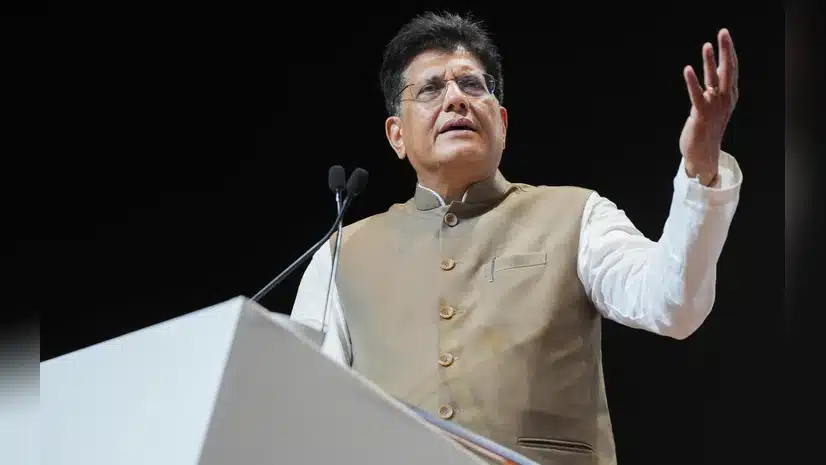
Commerce and Industry Minister Piyush Goyal has reacted to a statement from a U.S. official, who referred to India’s trade proposals as the “best ever.” Although he did not provide a timeline for finalizing the India-U.S. trade deal, Goyal stressed that the U.S. should sign the agreement if they are satisfied with India’s offers. His comments come as a U.S. delegation visits India for further discussions on the bilateral trade agreement, spotlighting the ongoing negotiations between the two countries.
Current Status of India-U.S. Trade Negotiations
Piyush Goyal confirmed that five rounds of trade negotiations have already taken place between India and the United States. He indicated that the current visit of U.S. Deputy Trade Representative Rick Switzer is not primarily aimed at negotiations; rather, it serves as a chance for both sides to enhance mutual understanding. Goyal mentioned having had “substantial discussions” with Switzer during this visit, marking Switzer’s first trip to India since taking office three months ago.
Goyal is actively pursuing Free Trade Agreements with multiple countries, including Chile, Israel, and New Zealand. He asserted that a successful trade deal must benefit both parties involved. He cautioned against negotiating under tight deadlines, as this can lead to mistakes. Goyal expressed optimism about the progress of U.S. negotiations, suggesting that positive advancements are being made.
Challenges in the Negotiation Process
During a recent Senate Appropriations Subcommittee session, U.S. Trade Representative Jamieson Greer acknowledged the challenges posed by India in trade discussions, particularly concerning certain agricultural products. Greer identified India’s resistance to American row crops—such as corn, soybeans, wheat, and cotton—as a significant obstacle. He described India as a “difficult nut to crack,” but also mentioned that the offers being discussed are the best the U.S. has ever received from India, hinting at the potential for a viable alternative market.
The ongoing discussions are crucial, especially since the U.S. has imposed substantial tariffs—up to 50 percent—on Indian imports. These tariffs have negatively impacted the Indian rupee, which has recently fallen to record lows. Indian businesses and exporters are eagerly anticipating the conclusion of these negotiations, as the heightened import duties have adversely affected their shipments to the U.S. The U.S. market is vital for India, accounting for approximately 18 percent of its exports.
Impact of Tariffs on Trade Relations
The trade relationship between India and the U.S. has faced challenges due to tariffs. Initially, the U.S. implemented a 25 percent duty on Indian goods, citing concerns over a trade deficit that reached $46 billion in 2024-25. An additional 25 percent penalty was later introduced in response to India’s purchases of Russian crude oil. India has emphasized that addressing these tariffs is crucial for advancing the first phase of the trade deal.
As negotiations proceed, both nations are eager to find common ground. The outcome of these discussions could significantly influence trade dynamics and economic relations between India and the U.S. Indian officials remain hopeful that a favorable agreement can be reached, which would ease the burden of high tariffs and foster a more robust trade partnership.
Digihunt is not a financial advisor and this is not investment advice.