US Jobless Claims Increase to 236,000 Amid Hiring Challenges, Federal Reserve Reports

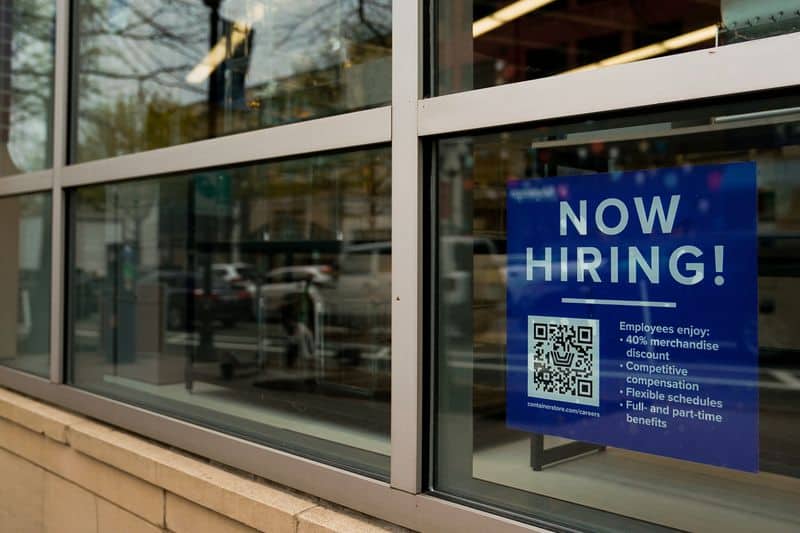
US applications for unemployment benefits experienced a significant rise last week, leading to concerns regarding the stability of the labor market. The Labor Department reported that jobless claims for the week ending December 6 increased by 44,000, totaling 236,000. This number exceeded analysts’ expectations and represented a considerable increase from the previous week’s 192,000 claims. Despite this rise, the overall trend in unemployment claims remains in a historically low range, even as the Federal Reserve has voiced concerns about the underlying conditions in the job market.
Jobless Claims Rise Amid Economic Concerns
The latest figures from the Labor Department reveal a sharp increase in jobless claims, which are often viewed as a reliable indicator of layoffs. For the week ending December 6, claims escalated to 236,000, up from 192,000 the previous week. This jump surpassed analysts’ predictions of 213,000 new filings. The previous week’s data may have been affected by the Thanksgiving holiday, potentially distorting the reporting of claims. Despite this upward trend, the current level of claims remains relatively low compared to historical standards, suggesting that while layoffs are happening, they are not at alarming levels.
In response to these developments, the Federal Reserve has reduced its benchmark lending rate for the third consecutive time. Fed Chair Jerome Powell expressed concerns that the strength of the job market may be weaker than the headline data implies. He pointed out that, while government figures indicate an average addition of 40,000 jobs per month since April, these numbers could be revised downward significantly, suggesting that actual job losses may be occurring.
Labor Market Dynamics: Low-Hire, Low-Fire Environment
The current labor market is described as a “low-hire, low-fire” environment, characterized by muted layoffs but significantly slowed hiring. This situation has resulted in a historically low unemployment rate, although it has made job searches increasingly difficult for many individuals. Recent estimates from the private payroll firm ADP pointed to a loss of 32,000 jobs in November, aligning with federal statistics that indicate a decline in job creation coinciding with the imposition of tariffs by the Trump administration in April.
Despite the overall unemployment rate edging up to 4.4%, the highest level in four years, the dynamics of the labor market paint a complex picture. While certain sectors are facing job losses, others are maintaining their employment levels. The anticipated comprehensive federal jobs data for November has been delayed due to a government shutdown, leaving analysts and policymakers waiting for a clearer understanding of the labor market’s health.
Unemployment Benefits and Seasonal Adjustments
In related news, the number of Americans receiving unemployment benefits for the week ending November 29 fell by 99,000, bringing the total to 1.84 million. This is the lowest level since mid-April. However, analysts warn that this decrease may reflect seasonal adjustments and the expiration of benefits for many long-term unemployed workers. The four-week moving average of claims, which smooths out weekly fluctuations, slightly rose by 2,000 to 216,750.
Major companies such as UPS, General Motors, Amazon, and Verizon have recently announced job cuts, which may take time to be reflected in the weekly claims figures. As the labor market continues to evolve, the implications of these layoffs and the overall economic climate will be closely observed by analysts and policymakers. The ongoing situation highlights the importance of understanding the complexities of the labor market as it navigates through these challenging times.
Digihunt is not a financial advisor and this is not investment advice.