Asian Markets Rise After Fed Cuts Rates for Third Time; Silver Hits Record High

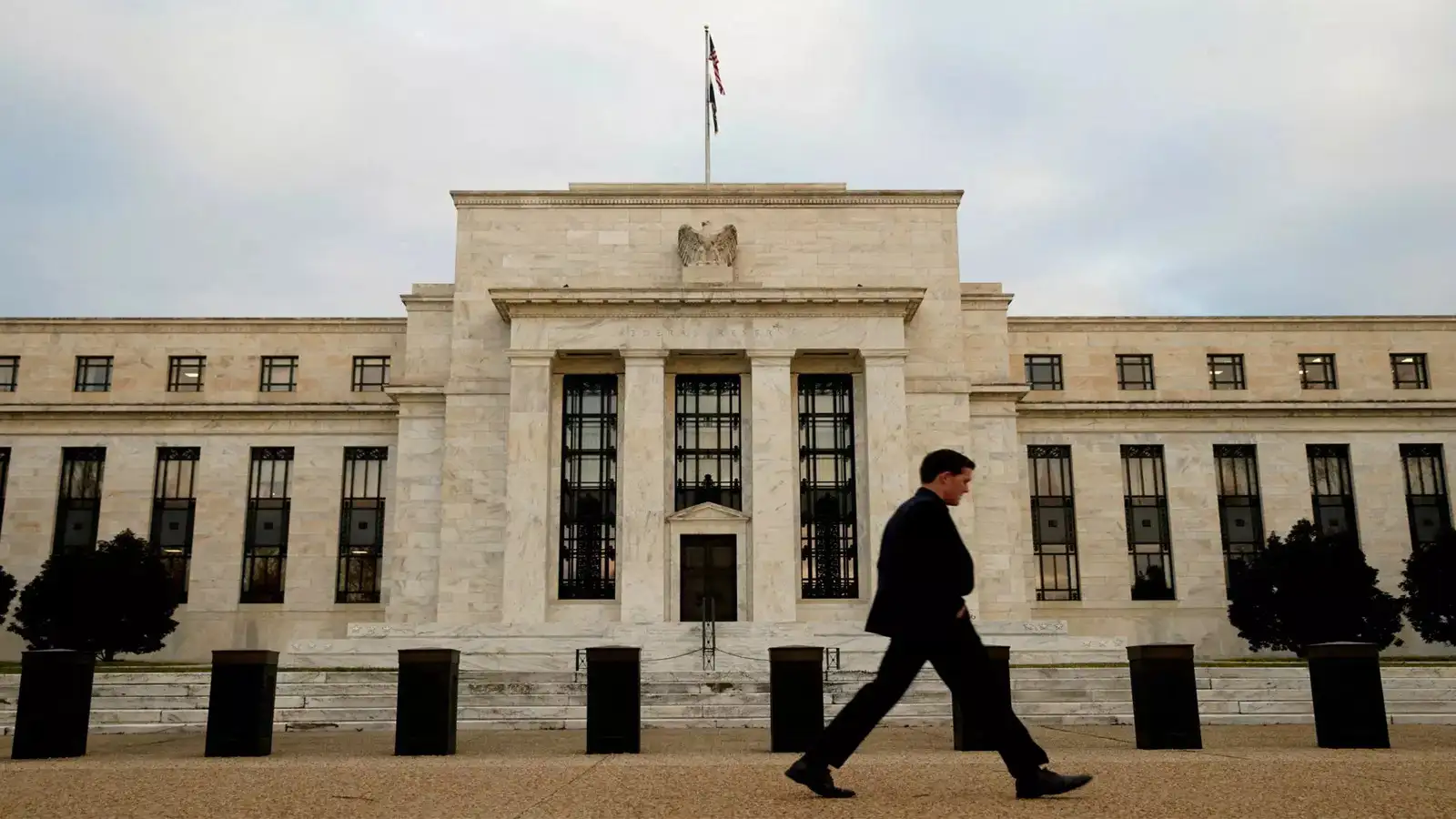
Asian markets posted a positive trading session, propelled by the US Federal Reserve’s third consecutive interest rate cut. The quarter-point reduction lowered borrowing costs to their lowest levels in three years, a move that was anticipated by investors. However, the Fed’s indication of a potential slowdown in future rate cuts tempered some enthusiasm. Fed Chair Jerome Powell’s comments following the meeting were perceived as less aggressive than expected, offering further reassurance to market participants.
Market Reactions Across Asia
In the wake of a strong performance on Wall Street, most Asian markets registered gains. Noteworthy advancements were seen in Hong Kong, Sydney, Seoul, Singapore, Wellington, Manila, and Jakarta, reflecting investor optimism toward the Fed’s decision. Nevertheless, not all markets followed this upward trajectory; declines were noted in Tokyo, Shanghai, and Taipei. These mixed results underscore the differing economic conditions and investor sentiments across the region.
The Fed continues to prioritize the strengthening of the US labor market, which has shown signs of persistent weakness this year. Policymakers are increasingly concerned about slowing job growth, overshadowing worries about high inflation rates. Some officials believe that the inflationary effects of tariffs from the Trump administration may fade over time, leading to a more cautious approach to future rate adjustments.
Fed’s Future Rate Cut Strategy
The latest statement from the Federal Reserve has moderated expectations around aggressive rate cuts in 2026. The language used in the announcement reminded many of communications from late 2024, interpreted as a signal for a pause in rate adjustments. This shift in tone has left investors uncertain about the pace of future easing.
During the meeting, two policymakers expressed differing views. Stephen Miran, appointed by former President Trump, advocated for a more substantial cut of 50 basis points, while another member opposed any reduction at all. Powell highlighted the Fed’s flexibility, noting that officials are well-positioned to make decisions based on incoming data, the evolving economic outlook, and the balance of risks.
Impact on Commodities: Gold and Silver Prices Surge
Following the Fed’s announcement, the US dollar weakened against major global currencies, influencing commodity prices. Gold, considered a safe-haven asset during declining interest rates, surged nearly 1% to surpass $4,200 per ounce. However, prices later eased slightly after reaching a near one-week high. As of 0300 GMT, spot gold was down 0.2% at $4,221.49 per ounce, while US gold futures for February delivery rose 0.6% to $4,249.70 per ounce.
Silver also saw significant gains, achieving a record price of $62.8863 earlier in the week due to strong demand and tightening supplies. Spot silver climbed 0.8% to $62.25 per ounce, marking an impressive increase of 113% this year. This rise is attributed to robust industrial demand, shrinking inventories, and silver’s recent addition to the US critical minerals list, further solidifying its position in the commodities market.
Disclaimer: Digihunt is not a financial advisor and this is not investment advice.