Author: Sumit Rathore

  • Stock Market Update: Top Gainers and Losers on Nifty50 and BSE Sensex for January 9

    Stock Market Update: Top Gainers and Losers on Nifty50 and BSE Sensex for January 9

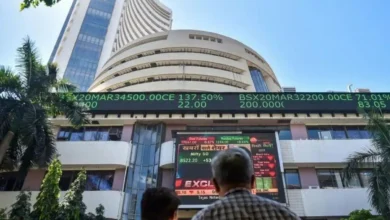
    Stock markets faced a downturn on Friday, with the NSE benchmark Nifty50 dropping below the 26,000 mark and the BSE Sensex declining by over 400 points. By midday, Nifty50 had decreased by 130 points, or 0.50%, settling at 25,746, while the Sensex fell by 433 points to 83,747. This decline was attributed to concerns over potential 500% tariffs on Russian crude imports and ongoing foreign portfolio investor (FPI) outflows. Market experts indicate that as investors prepare for the upcoming earnings season, the indices may stabilize at current levels.

    Market Overview and Investor Sentiment

    The Indian stock market opened lower on Friday, reflecting increasing anxiety among investors. The potential for the United States to impose substantial tariffs on countries importing Russian crude has added to this uncertainty. Heavy outflows from foreign portfolio investors have further stressed the market. In January alone, FPIs sold around $900 million worth of Indian shares, following a record outflow of $19 billion in 2025. This trend has contributed to a decline of 1.7% in Nifty and 1.8% in Sensex over the past four sessions. Analysts believe the Indian markets are currently oversold, suggesting a possible recovery soon.

    Ajay Bagga, a banking and market expert, remarked that after several consecutive days of losses, the Indian markets might aim to consolidate and stabilize. He pointed out that the recent declines could lead to a rebound as investors review their positions ahead of the earnings season, with upcoming financial reports expected to provide key insights into the market’s direction.

    Top Gainers and Losers on Nifty50

    Despite the overall market decline, a number of stocks performed well on the Nifty50 index. Eternal led with a gain of 1.79%, followed by HCL Tech at 1.29% and Asian Paints at 1.17%. Other notable gainers included BEL, ONGC, and JSW Steel, all seeing increases between 1.03% to 1.16%. Conversely, the Nifty50 also experienced significant losses, with ICICI Bank dropping by 2.17%, Adani Enterprises by 1.85%, and Adani Ports SEZ by 1.80%. Other major losers included Max Healthcare, UltraTech Cement, and NTPC, each recording declines of over 1%.

    This mixed performance among individual stocks underlines the market’s volatility. Investors are closely watching these fluctuations as they navigate the uncertain economic landscape.

    Key Developments Impacting Market Sentiment

    Global market sentiment is likely to be influenced by two key developments later in the day: the release of the US jobs report and a ruling from the US Supreme Court concerning the legality of tariffs imposed during the Trump administration. The employment data is expected to show an addition of around 70,000 jobs in December, potentially offering insights into the health of the US economy.

    Additionally, the Supreme Court’s decision is under close scrutiny by investors. A ruling that invalidates the Trump-era tariffs could result in the refund of duties already collected, which may significantly impact US government finances, estimated at $150 billion. Investors are eager to see how the Trump administration may respond and whether it will attempt to reimpose tariffs through alternative legislative measures.

    As the day unfolds, market participants will remain vigilant in assessing how these developments may affect both domestic and global markets.

    Digihunt is not a financial advisor and this is not investment advice.

  • Union Budget 2026: Enhancing India’s Financial Security Framework

    Union Budget 2026: Enhancing India’s Financial Security Framework

    The Union Budget 2026 is set to play a crucial role in shaping India’s economic trajectory, highlighting the need for household financial resilience alongside rapid economic growth. As the nation aims to become a $5 trillion economy, it grapples with challenges like declining savings and insufficient financial protection for families. Experts urge that life insurance should be prioritized in the upcoming budget, as it is essential for safeguarding the aspirations of over a billion citizens against economic uncertainties.

    The Resilience Gap: Importance of Household Security

    For India to realize its vision of a “Viksit Bharat,” the financial security of its families must be a vital measure of national success. Recent statistics from the Economic Survey 2024-25 indicate a concerning trend: the country’s gross domestic savings as a percentage of GDP fell from 31.2% in 2021-22 to 30.2% in 2022-23. This drop in savings, coupled with stagnation in financial protection, leaves households increasingly exposed. The implications of this trend extend beyond mere numbers, signaling a potential crisis in the nation’s financial foundation.

    To counter this exposure, the Union Budget 2026 should adopt a two-pronged fiscal strategy aimed at strengthening household financial security. First, a comprehensive revision of tax sections 80C, 80CCC, and 80CCD is necessary to increase savings limits in accordance with inflation. Currently, India’s total life insurance coverage stands at only 24% of GDP, significantly lower than countries like Singapore and Malaysia. This presents a substantial protection gap of 83% in India compared to 55% in Singapore. The government could introduce a dedicated tax deduction for pure term insurance premiums, independent of the existing ₹1.5 lakh limit under Section 80C. Such measures would elevate life insurance from a discretionary expense to a fundamental component of financial planning, better protecting households.

    India’s Impending Challenge: Ageing with Dignity

    Despite increased disposable incomes, many Indian households remain near financial distress, especially those dependent on a single income. The need for reform is underscored by a demographic shift, as India is projected to age more rapidly than it accumulates wealth. By 2050, one in five Indians will be over 60 years old, yet current retirement preparedness lags behind expectations.

    To address these demographic and financial issues, the Union Budget 2026 must prioritize retirement planning as a critical social necessity. This could be achieved by establishing a dedicated tax framework for annuities and pension products, ensuring that all pension-linked instruments receive equal treatment under the National Pension System (NPS). Furthermore, the budget should consider including annuities under Section 10(10D) as tax-exempt instruments. Currently, retirement payouts are taxable, which deters individuals from securing their financial futures. Granting tax-free status to these payouts would enhance the significance of protection in a changing economy, making life insurance a vital safety net for all.

    From Reform to Execution: Making Policy Work for Households

    To execute these targeted solutions effectively, the regulatory framework must evolve in sync with the proposed reforms. Recognizing life insurance as an essential service under the GST framework is a significant move forward, laying the groundwork for broader sector reforms. This alignment supports the Sabka Bima Sabki Raksha Bill 2025, which aims for universal coverage.

    The upcoming Union Budget 2026 must also outline a clear execution roadmap to facilitate the transition towards 100% foreign direct investment (FDI) while ensuring strong governance. Additionally, there is an urgent need for a roadmap regarding Composite Licensing, enabling a “one-stop-shop” model that integrates life and health insurance. This strategy could reduce distribution costs and simplify the consumer experience, fostering a more comprehensive protection ecosystem for all Indians.

    As the nation prepares for the future, recognizing life insurance as a key stabilizer in the economy is critical. The Union Budget 2026 offers an opportunity to institutionalize financial security as a national priority, ensuring that by 2047, every Indian household is adequately protected.

    Digihunt is not a financial advisor and this is not investment advice.

  • Budget 2026: Experts Say Focus on Stable Taxes is Key to Boosting Economic Growth

    Budget 2026: Experts Say Focus on Stable Taxes is Key to Boosting Economic Growth

    The Income-tax Act of 2025 is poised to transform India’s direct tax framework, effectively replacing the outdated Income-tax Act of 1961. This new legislation aims to simplify tax regulations, reduce litigation, and bolster compliance in a digital-centric environment. As the country gears up for this transition, experts stress the importance of clear guidelines to facilitate a smooth changeover for taxpayers, ultimately supporting economic growth.

    Transforming the Tax Framework

    The Income-tax Act of 2025 brings a thorough reform of India’s direct tax system, which has seen little change over the past sixty years. This new framework intends to streamline tax provisions, remove redundancies, and align tax administration with contemporary compliance needs. By maintaining the core structure of the existing income tax system, the new law seeks to offer clarity and certainty to taxpayers. Sameer Gupta, National Tax Leader at EY India, underscored the necessity of detailed guidelines and FAQs to reduce confusion during this transition. He indicated that these measures are vital in avoiding potential litigation and assisting taxpayers in navigating the new system effectively.

    Key Reforms for Economic Growth

    EY India has suggested several direct tax reforms that could greatly influence private capital investment and overall economic competitiveness. One of the main objectives is to create a stable tax environment by reducing frequent changes in tax rates. A predictable tax policy is crucial for fostering trust among taxpayers and enhancing compliance, thereby improving revenue collection. Furthermore, rationalizing the Tax Deducted at Source (TDS) provisions is essential to alleviate disputes and cash flow issues experienced by industries. The Budget 2026 is anticipated to chart a path for simplifying the TDS structure, potentially limiting it to three or four rates to lessen compliance burdens.

    Incentives for Manufacturing and Employment

    To drive growth in the manufacturing sector, the government is encouraged to consider reintroducing accelerated depreciation as a strategic fiscal incentive. This initiative would be incorporated into the existing concessional corporate tax regime, ensuring it doesn’t trigger Minimum Alternate Tax (MAT) for companies. Such a strategy is particularly pertinent as India strives to emerge as a global manufacturing hub under initiatives like ‘Make in India.’ Additionally, to promote job creation, the salary cap for new employees eligible for tax deductions should be raised from Rs. 25,000 to Rs. 1 lakh. This modification would better reflect current salary trends, especially in emerging sectors such as artificial intelligence and robotics.

    Enhancing Tax Certainty for Foreign Investors

    On the indirect tax side, simplifying the customs tariff framework is critical to lessen compliance burdens on importers. This involves rationalizing customs duties sector-wise and aligning tariff rates with global standards to maintain the competitiveness of Indian goods in international markets. Moreover, extending the validity of advance rulings for customs from three to five years could enhance tax certainty and reduce disputes. Gupta pointed out that providing tax certainty to foreign investors is essential, as the absence of specific regulations has resulted in ongoing litigation. Clear codification of tax rights and an optional presumptive regime for foreign entities in particular sectors could further improve the investment climate in India.

    Digihunt is not a financial advisor and this is not investment advice.

  • December Mutual Fund Update: Equity Funds Drop 6% to Rs 28,054 Crore Due to Debt Outflows

    December Mutual Fund Update: Equity Funds Drop 6% to Rs 28,054 Crore Due to Debt Outflows

    Equity mutual fund inflows witnessed a significant drop in December, falling over 6% to Rs 28,054 crore, as per data from the Association of Mutual Funds in India. This decline follows a stronger inflow of Rs 29,911 crore in November but remains above the Rs 24,690 crore recorded in October. The mutual fund sector confronted substantial challenges, especially in debt schemes, which faced heavy redemptions resulting in a net outflow of Rs 66,591 crore for the month. Additionally, the total assets under management (AUM) for the industry decreased, reflecting the consequences of these withdrawals.

    Equity Inflows and Performance

    While the overall equity inflows declined, several categories of equity mutual funds continued to draw investor interest. Flexi-cap funds led the way, attracting net inflows of Rs 10,019 crore in December, a considerable rise from Rs 8,135 crore in November. This trend illustrates the popularity of flexi-cap funds in uncertain market conditions. Mid-cap funds also performed well, bringing in Rs 4,176 crore, while large and mid-cap funds recorded inflows of Rs 4,094 crore and small-cap funds attracted Rs 3,824 crore, respectively. However, not all segments performed equally, as equity-linked saving schemes (ELSS) and dividend yield funds saw net outflows of Rs 718 crore and Rs 254 crore, respectively, likely due to profit-taking and seasonal tax considerations.

    Debt Fund Challenges

    The debt mutual fund sector faced pronounced difficulties in December, with net outflows reaching a staggering Rs 1.32 lakh crore, a notable spike from the Rs 25,692 crore in outflows reported in November. The sharp sell-off in debt funds has raised concerns within the mutual fund industry, contributing to a decline in total assets under management, which fell from Rs 80.80 lakh crore in November to Rs 80.23 lakh crore in December. The significant redemptions in debt schemes have overshadowed positive trends in equity funds, emphasizing the volatility and risks tied to fixed-income investments.

    Rising Interest in Gold ETFs

    In stark contrast to the challenges faced by debt funds, gold exchange-traded funds (ETFs) experienced a remarkable rise in investor interest. Net inflows into gold ETFs surged to Rs 11,647 crore in December, a significant increase from Rs 3,742 crore in November and Rs 7,743 crore in October. This trend reflects a growing preference among investors for gold as a safe-haven asset amid market uncertainties. The rise in gold ETF investments signifies a broader trend toward diversifying portfolios to reduce risks associated with equity and debt markets.

    Market Insights and Future Outlook

    Industry experts have observed that despite challenges in certain segments, overall engagement in market-linked products remains robust. Akhil Chaturvedi, Executive Director and Chief Business Officer at Motilal Oswal Asset Management Company, noted that equity gross sales rose by nearly 7% month-on-month to Rs 72,808 crore, while hybrid sales increased by around 17% to Rs 16,548 crore. This sustained interest in equity and hybrid funds indicates that investors are still inclined to consider market-linked products as viable investment options, despite recent volatility. The positive inflows into flexi-cap and multi-asset allocation funds further underscore this trend, suggesting a resilient market outlook moving forward.

    Digihunt is not a financial advisor and this is not investment advice.

  • Rupee Falls: RBI Prioritizes Inflation Over Price Bands Amid ‘Impossible Trilemma’ Explained

    Rupee Falls: RBI Prioritizes Inflation Over Price Bands Amid ‘Impossible Trilemma’ Explained

    In early December 2025, the Indian rupee crossed a significant threshold, falling to over Rs 90 per dollar for the first time. This decline was attributed to a combination of foreign investors offloading Indian stocks and the impact of US tariffs on Indian exports. Despite the rupee’s depreciation, Reserve Bank of India Governor Sanjay Malhotra emphasized that the central bank does not target specific price levels, allowing market forces to dictate currency values. Chief Economic Adviser V. Anantha Nageswaran reassured that the government is not overly concerned about the rupee’s decline, suggesting that it would improve in the following year.

    The Impossible Trilemma: India’s Economic Dilemma
    The concept of the impossible trilemma, introduced by economists Robert Mundell and Marcus Fleming in the 1960s, highlights a critical challenge in international economics. It posits that a country cannot simultaneously maintain free capital flows, an independent monetary policy, and a fixed exchange rate. Instead, it must choose two out of these three options. For India, the choice has been clear since the economic liberalization of the 1990s: prioritize monetary policy independence and capital account openness while accepting exchange rate flexibility. This strategic decision reflects the need to maintain control over domestic economic conditions, even if it means allowing the rupee to fluctuate.

    The implications of this trilemma are significant. If India were to fix the rupee’s value while allowing free capital movement, it would lose control over its monetary policy. For instance, raising interest rates to combat inflation could attract foreign capital, increasing demand for rupees and pushing the exchange rate beyond the fixed level. Conversely, lowering rates to stimulate growth could lead to capital flight, weakening the rupee. Thus, the RBI’s interventions aim to manage volatility rather than defend a specific exchange rate, allowing the rupee to find its own level in the market.

    India’s Managed Float Regime
    While India officially adopts a market-determined exchange rate system, it effectively operates under a managed float regime. The Reserve Bank of India (RBI) does not aim for a specific exchange rate but intervenes to mitigate excessive volatility. These interventions occur through various mechanisms, including spot market operations, forward market transactions, and swap operations. For example, when the rupee weakens sharply, the RBI may sell dollars to support the rupee, and when it strengthens excessively, it may buy dollars to build reserves.

    The RBI’s foreign exchange reserves, currently around $686.8 billion, provide the necessary resources for these interventions. However, using reserves to defend the currency can be costly, as it depletes the buffer needed for genuine crises. The RBI’s approach focuses on smoothing volatility rather than maintaining a fixed exchange rate, aligning with its broader goal of ensuring monetary stability.

    Prioritizing Inflation Control
    India’s inflation-targeting framework, established in 2016, mandates that the RBI prioritize price stability. This framework aims for a Consumer Price Index (CPI) inflation rate of 4%, with a tolerance band of 2-6%. In 2025, inflation remained exceptionally low, even dipping below the lower tolerance band for several months. This achievement was not coincidental; it required a consistent focus on domestic price stability, sometimes at the expense of currency stability.

    The RBI raised the repo rate significantly between May 2022 and February 2023 to combat inflation, despite the widening interest rate differentials with other economies. Maintaining this independence is crucial for the RBI, as it allows for adjustments based on domestic economic conditions. The current policy choices reflect a commitment to letting the rupee find its own level while managing volatility through targeted interventions.

    The Future of the Rupee
    Looking ahead, the trajectory of the rupee will depend on various external and domestic factors. Key external influences include US Federal Reserve policies, trade negotiations between India and the US, global commodity prices, and geopolitical tensions. Domestically, India’s growth trajectory, foreign direct investment inflows, inflation dynamics, and fiscal discipline will play critical roles.

    Despite the challenges, the RBI’s framework will remain focused on prioritizing monetary independence and capital openness, accepting exchange rate flexibility as a necessary trade-off. As the impossible trilemma illustrates, the RBI’s approach to currency management is not a failure of policy but a deliberate choice to balance competing economic priorities. Understanding this framework is essential for grasping the complexities of India’s monetary policy and the future of the rupee.

    Digihunt is not a financial advisor and this is not investment advice.

  • Gratuity Calculation and Wage Definitions: Key Changes in India’s New Labour Codes Explained

    Gratuity Calculation and Wage Definitions: Key Changes in India’s New Labour Codes Explained

    The Indian government has made a significant move towards modernizing its labor laws by releasing draft rules for the new labor codes introduced in November 2025. These draft rules are open for public feedback until February 14, 2026, and outline essential provisions related to wages, employee benefits, grievance redressal mechanisms, and compliance obligations for organizations. Experts advise that businesses should conduct thorough reviews of their HR, finance, payroll, and legal functions to align with these new regulations.

    Key Provisions of the Draft Rules

    The draft rules clarify several critical aspects of the new labor codes, particularly the definition of wages. This definition is vital as it directly affects the gratuity amount that employees receive upon leaving their jobs. According to the draft, wages include all forms of remuneration, such as basic pay, allowances, and any additional payments exceeding 50% of total remuneration. For example, if an employee’s total remuneration is Rs 76,000 and their basic pay and dearness allowance total Rs 20,000, any allowances over Rs 38,000 will be added to the wage calculation for statutory purposes. This change aims to ensure fair compensation and transparency in wage calculations.

    Moreover, the rules specify that certain payments, like medical reimbursements and stock options, will not be included in the wage definition. This exclusion is significant for employers, as it may impact their financial obligations regarding gratuity and other benefits. The rules also detail when gratuity becomes payable, including circumstances like termination, retirement, and resignation, emphasizing the need for clarity in employee compensation.

    Rest Days and Overtime Regulations

    Under the new labor codes, employees are entitled to a minimum of one rest day per week. Employers are prohibited from requiring employees to work on their designated rest days unless they provide a substitute rest day within the same week. This provision seeks to promote work-life balance and prevent employee burnout. Additionally, workers who exceed eight hours of work in a day or 48 hours in a week are entitled to overtime pay, calculated at double their regular wage rate. This regulation is designed to protect workers’ rights and ensure fair compensation for additional hours worked.

    The draft rules also mandate that all employees receive an appointment letter within three months of the new labor codes coming into effect, aiming to enhance transparency and ensure that employees are aware of their rights and responsibilities from the outset of their employment.

    New Benefits and Compliance Requirements

    The new labor codes introduce several benefits focused on improving employee welfare. Employers must provide a creche facility or a monthly allowance for employees with children, ensuring that working parents have access to childcare. Additionally, employers are required to conduct annual medical examinations for employees over the age of 40, promoting health and safety in the workplace.

    Organizations must also establish grievance redressal committees to address employee complaints, especially in establishments with 20 or more workers. This mechanism is crucial for resolving disputes and ensuring a fair working environment. Furthermore, companies employing 500 or more workers must form safety committees to oversee workplace safety and health issues.

    Compliance with these new regulations will necessitate that organizations adapt their operational frameworks. They must maintain accurate records, conduct audits, and ensure all employees are informed of their rights under the new labor codes.

    Implications for Organizations

    The introduction of these labor codes presents both challenges and opportunities for organizations. Experts recommend that businesses conduct comprehensive assessments to understand the financial implications of the new rules, particularly regarding gratuity and leave encashment. Organizations should evaluate the costs associated with overtime pay, creche facilities, and medical examinations to ensure compliance while maintaining financial stability.

    Moreover, companies must adjust their operational practices to accommodate the new regulations, especially concerning the employment of women in night shifts and the use of contract labor. Establishing clear standard operating procedures for grievance redressal and compliance will be essential for navigating the complexities of the new labor landscape.

    Digihunt is not a financial advisor and this is not investment advice.

  • India-Led ISA Stays Focused on Climate Goals with 125 Members After US Withdrawal

    India-Led ISA Stays Focused on Climate Goals with 125 Members After US Withdrawal

    India’s International Solar Alliance (ISA) is poised to continue its mission of promoting solar energy and tackling climate change, following the recent withdrawal of the United States from the initiative. Official sources confirmed that the ISA, which is comprised of 125 member and signatory countries, will persist in its focus on solar energy deployment and support for developing nations. Co-founded by India and France in 2015 during the COP21 climate summit, the alliance aims to enhance global cooperation in solar energy.

    Background of the International Solar Alliance

    The ISA was established to harness solar energy as a key resource in combating climate change. Launched in Paris, the organization has seen substantial growth since its inception, especially after a 2020 amendment permitted all UN member states to join. This expansion has allowed the alliance to encompass a diverse array of countries, boosting its capacity to promote solar energy solutions worldwide. The ISA’s headquarters in Gurugram, India, serves as a collaborative hub for member nations, focusing on technology transfer, capacity building, and financial mobilization for solar projects.

    Impact of the U.S. Withdrawal

    The recent exit by U.S. President Donald Trump from the ISA, alongside 65 other international organizations, has prompted concerns regarding the future of global climate initiatives. Trump labeled these organizations as “redundant” and misaligned with American interests. In response, Indian officials acknowledged media reports and reaffirmed their commitment to the ISA’s goals. They stressed that the alliance will continue working closely with members, particularly those in least developed countries and small island developing states, to enhance solar energy deployment and minimize financial risks linked to renewable energy projects.

    Ongoing Initiatives and Future Goals

    Despite the setback from the U.S. withdrawal, the ISA remains focused on its objectives. The alliance aims to assist its member countries in scaling up solar energy solutions to fulfill their development needs and achieve universal energy access. Currently, India holds the presidency of the ISA, and the organization is dedicated to fostering cooperation among its members. The alliance has successfully implemented programs in over 95 countries, facilitating the development of national project pipelines and regulatory frameworks that promote the adoption of solar energy.

    Achievements and Progress of the ISA

    Since its formation, the ISA has achieved significant milestones in promoting solar energy. The alliance has showcased the viability of solar solutions through diverse projects across various regions. These initiatives not only emphasize solar energy but also incorporate energy storage solutions, which enhance the reliability of renewable energy sources. The ongoing efforts of the ISA aim to support a broader energy transition, ensuring that solar energy plays a vital role in global initiatives to combat climate change and advance sustainable development.

    Disclaimer: Digihunt is not a financial advisor, and this is not investment advice.

  • 500% Tariff on Russian Oil: What It Means for 0 Billion India-US Trade Relations

    500% Tariff on Russian Oil: What It Means for $120 Billion India-US Trade Relations

    Will India Soon Face a 500% Tariff on Exports to the U.S.?

    This critical question emerged after remarks from U.S. Senator Lindsey Graham, who suggested that President Donald Trump has approved a bill aimed at imposing staggering tariffs on countries trading with Russia. With both China and India being major importers of Russian crude oil, India stands out as the principal target of this proposed legislation. If enacted, the bill could significantly disrupt India’s $120 billion export market to the U.S., raising serious concerns about the future of trade relations between the two nations.

    Understanding the Proposed 500% Tariff Bill

    The legislation in focus, called the Sanctioning Russia Act of 2025, has been introduced by Senator Lindsey Graham and Senator Richard Blumenthal. This bill intends to impose secondary tariffs and sanctions on nations that continue to financially support Russia amid its ongoing conflict in Ukraine. Specifically, it proposes a staggering 500% tariff on secondary purchases and resale of Russian oil. The bill enjoys support from nearly all members of the Senate Foreign Relations Committee, indicating a strong bipartisan push for its passage. Graham emphasized that the aim of this legislation is to apply pressure on countries like China, India, and Brazil, which are viewed as enabling Russia’s military actions through their oil purchases. He conveyed optimism about obtaining a robust bipartisan vote on the bill, possibly as soon as next week.

    Impact on India-U.S. Trade Relations

    Should the bill pass, the consequences for India’s trade with the U.S. could be severe. According to Ajay Srivastava, founder of the Global Trade Research Initiative (GTRI), a 500% tariff could effectively halt India’s exports to the U.S., which currently total $120 billion annually. The U.S. has already imposed tariffs of up to 50% on Indian goods, including a 25% tariff linked to India’s energy purchases from Russia. This existing pressure intensifies concerns that the proposed legislation would disproportionately target India, while China, despite being a significant buyer of Russian oil, has managed to avoid similar punitive measures. The selective nature of these tariffs has raised speculations that India may face the brunt of U.S. trade actions, further straining bilateral relations.

    Legal and Implementation Challenges

    The proposed tariff strategy faces notable legal hurdles and uncertainties regarding its implementation. President Trump has previously resorted to using emergency powers under the International Emergency Economic Powers Act to impose tariffs, instead of pursuing legislative channels. However, this method is currently under legal scrutiny, with a Supreme Court decision expected soon. If the Graham proposal progresses through the Senate, it would add further complexities to the tariff landscape. Notably, while U.S. customs can impose duties on physical goods, there is no established framework for levying tariffs on services, complicating enforcement. Experts suggest that any escalation may manifest as taxes on payments made by U.S. companies for services sourced from India, rather than direct tariffs on goods.

    Calls for a Strategic Response from India

    The potential for a 500% tariff has sparked calls for India to re-evaluate its stance on Russian oil imports and clearly convey its position to Washington. Ajay Srivastava emphasized the necessity for India to take decisive action in response to these evolving trade dynamics. He also pointed out the inconsistencies in U.S. policy, noting that while U.S. lawmakers aim to penalize countries for purchasing Russian oil, the U.S. is concurrently pursuing its own interests in global oil markets, such as seizing Venezuelan oil assets. This inconsistency raises questions about the fairness and transparency of the current trading system, which some critics argue operates more like a jungle than a rules-based order. As the situation unfolds, attention will remain on how India navigates these complex trade challenges and their implications for future relations with the United States.

    Digihunt is not a financial advisor and this is not investment advice.

  • Bank Stocks Rise 8% in December Quarter, Beating Sensex Performance

    Bank Stocks Rise 8% in December Quarter, Beating Sensex Performance

    Indian bank stocks have demonstrated exceptional resilience and growth in the last quarter of 2023, significantly outperforming the broader market. Following recent GST cuts that have stimulated consumption ahead of the festive season, optimism for credit growth has risen. Data from S&P Global Market Intelligence shows that the market capitalization of the top 20 listed banks increased to approximately Rs 55.7 lakh crore by the end of December, reflecting an 8.2% rise from the previous quarter. This growth outpaced the Sensex, which saw an increase of about 4% during the same period, indicating a positive shift in the banking sector’s outlook.

    Strong Performance of Smaller Private Sector Banks

    The performance of smaller private sector banks has been particularly impressive. Among the top 20 banks, 17 experienced increases in market capitalization, with a median gain of around 11.8%. IDFC First Bank led this trend with a remarkable 43.8% rise in market capitalization, moving from 17th to 13th place among its peers. Bank of India closely followed with a 38.6% increase, while AU Small Finance Bank, which recently received approval from the Reserve Bank of India to function as a universal bank, enjoyed a 36.1% rise. Canara Bank also stood out among larger lenders, achieving a 25.2% increase, significantly above the sector average.

    Steady Gains Among Major Banks

    The largest banks in India also contributed to the overall increase in valuations, albeit with steadier gains. HDFC Bank, the country’s most valuable lender, experienced a 4.4% rise in market capitalization, reaching approximately Rs 15.2 lakh crore. The State Bank of India added 12.6% to its market value, in line with the sector median. Axis Bank and Kotak Mahindra Bank followed with increases of 12.1% and 10.4%, respectively. However, ICICI Bank was an exception among the top five, witnessing a slight decline of 0.3% in its market capitalization while maintaining its status as the second-largest bank by market value.

    Public Sector Banks Show Mixed Results

    Public sector banks reported mostly double-digit gains, with Bank of Baroda leading at 14.5%. Union Bank of India and Indian Bank also noted solid increases of 11% and 11.5%, respectively. However, the performance within this group was mixed. Indian Overseas Bank and UCO Bank underperformed, experiencing declines in market capitalization of 8.6% and 3.4%, respectively. This inconsistent performance highlights the varying dynamics within the public banking sector, even as the overall trend remains positive.

    Supportive Economic Environment

    The valuation gains in the banking sector coincided with a favorable macroeconomic and policy environment. The Reserve Bank of India (RBI) lowered the policy repo rate by 25 basis points to 6.25% in December 2023, part of a cumulative 125-basis point reduction since February 2023. This move aims to stimulate lending in the context of low inflation rates. Additionally, the Nifty Bank index rose approximately 7.6% during the quarter, further outperforming the broader market. Analysts at Emkay Global noted signs of improvement in overall systemic credit growth, suggesting a positive outlook for the banking sector ahead.

    Digihunt is not a financial advisor and this is not investment advice.

  • Alaska Airlines Pilot Files  Million Lawsuit Against Boeing Over 737 MAX 9 Door Issue

    Alaska Airlines Pilot Files $10 Million Lawsuit Against Boeing Over 737 MAX 9 Door Issue

    Captain Brandon Fisher, the pilot of Alaska Airlines Flight 1282, has filed a $10 million lawsuit against Boeing. He alleges that the company wrongfully assigned blame to him and his first officer for a door plug blowout that led to an emergency landing in January 2024. The lawsuit, submitted in an Oregon court, involves a Boeing 737 MAX 9 aircraft. In related court documents from a separate passenger class-action lawsuit, Boeing denied responsibility for the incident, suggesting the aircraft may have been improperly maintained or misused by others. Fisher’s legal team contends that this claim unfairly implicates the flight crew without evidence.

    Boeing’s Role in the Flight 1282 Door Plug Blowout
    The incident occurred on January 5, 2024, shortly after takeoff from Portland. While climbing to approximately 16,000 feet, the aircraft experienced a blowout of the door plug panel, carrying 177 passengers and crew members. Captain Fisher and First Officer Emily Wiprud managed to return the plane safely to Portland. Investigations revealed that bolts intended to secure the door plug panel were missing. The aircraft had recently undergone factory repairs with parts supplied by Spirit AeroSystems, but the repairs lacked proper documentation and inspection. Investigators concluded that manufacturing and quality control failures, rather than pilot error, were responsible.

    Claims of Blame Shifting
    In his lawsuit, Fisher argues that Boeing’s legal stance contradicts its earlier public statements. Following the incident, the flight crew received commendations from regulators, the airline, and company officials for their safe landing. However, Fisher asserts that Boeing later altered its narrative in court to avoid liability. He claims these conflicting statements have caused him emotional distress and damaged his reputation, resulting in lawsuits from passengers and public scrutiny. The lawsuit seeks $10 million in damages for the harm he has endured.

    The Investigation and Next Steps
    Federal authorities, including the National Transportation Safety Board (NTSB), are still investigating the door plug failure. Boeing has declined to comment on Fisher’s lawsuit, citing ongoing litigation. Alaska Airlines has expressed gratitude to the flight crew for their actions during the emergency but has not addressed the legal claims directly. It is worth noting that Spirit AeroSystems is also named as a defendant in the case. The lawsuit is currently pending in Multnomah County, Oregon, with no trial date announced yet.

    Digihunt is not a financial advisor and this is not investment advice.