Rupee Falls: RBI Prioritizes Inflation Over Price Bands Amid ‘Impossible Trilemma’ Explained

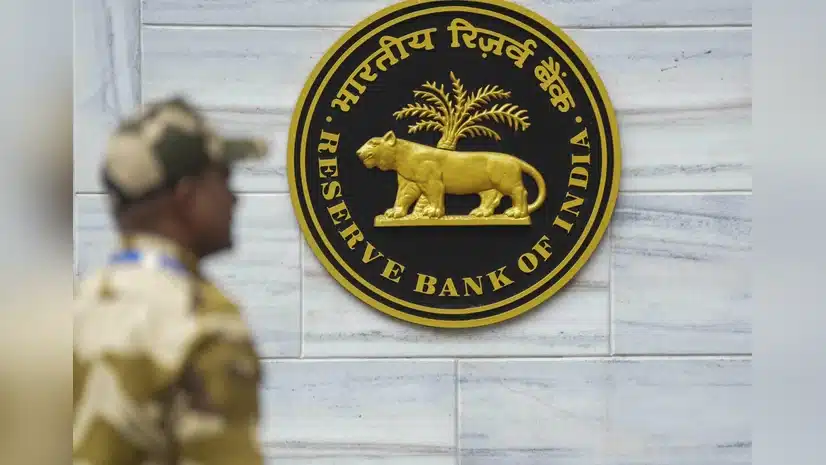
In early December 2025, the Indian rupee crossed a significant threshold, falling to over Rs 90 per dollar for the first time. This decline was attributed to a combination of foreign investors offloading Indian stocks and the impact of US tariffs on Indian exports. Despite the rupee’s depreciation, Reserve Bank of India Governor Sanjay Malhotra emphasized that the central bank does not target specific price levels, allowing market forces to dictate currency values. Chief Economic Adviser V. Anantha Nageswaran reassured that the government is not overly concerned about the rupee’s decline, suggesting that it would improve in the following year.
The Impossible Trilemma: India’s Economic Dilemma
The concept of the impossible trilemma, introduced by economists Robert Mundell and Marcus Fleming in the 1960s, highlights a critical challenge in international economics. It posits that a country cannot simultaneously maintain free capital flows, an independent monetary policy, and a fixed exchange rate. Instead, it must choose two out of these three options. For India, the choice has been clear since the economic liberalization of the 1990s: prioritize monetary policy independence and capital account openness while accepting exchange rate flexibility. This strategic decision reflects the need to maintain control over domestic economic conditions, even if it means allowing the rupee to fluctuate.
The implications of this trilemma are significant. If India were to fix the rupee’s value while allowing free capital movement, it would lose control over its monetary policy. For instance, raising interest rates to combat inflation could attract foreign capital, increasing demand for rupees and pushing the exchange rate beyond the fixed level. Conversely, lowering rates to stimulate growth could lead to capital flight, weakening the rupee. Thus, the RBI’s interventions aim to manage volatility rather than defend a specific exchange rate, allowing the rupee to find its own level in the market.
India’s Managed Float Regime
While India officially adopts a market-determined exchange rate system, it effectively operates under a managed float regime. The Reserve Bank of India (RBI) does not aim for a specific exchange rate but intervenes to mitigate excessive volatility. These interventions occur through various mechanisms, including spot market operations, forward market transactions, and swap operations. For example, when the rupee weakens sharply, the RBI may sell dollars to support the rupee, and when it strengthens excessively, it may buy dollars to build reserves.
The RBI’s foreign exchange reserves, currently around $686.8 billion, provide the necessary resources for these interventions. However, using reserves to defend the currency can be costly, as it depletes the buffer needed for genuine crises. The RBI’s approach focuses on smoothing volatility rather than maintaining a fixed exchange rate, aligning with its broader goal of ensuring monetary stability.
Prioritizing Inflation Control
India’s inflation-targeting framework, established in 2016, mandates that the RBI prioritize price stability. This framework aims for a Consumer Price Index (CPI) inflation rate of 4%, with a tolerance band of 2-6%. In 2025, inflation remained exceptionally low, even dipping below the lower tolerance band for several months. This achievement was not coincidental; it required a consistent focus on domestic price stability, sometimes at the expense of currency stability.
The RBI raised the repo rate significantly between May 2022 and February 2023 to combat inflation, despite the widening interest rate differentials with other economies. Maintaining this independence is crucial for the RBI, as it allows for adjustments based on domestic economic conditions. The current policy choices reflect a commitment to letting the rupee find its own level while managing volatility through targeted interventions.
The Future of the Rupee
Looking ahead, the trajectory of the rupee will depend on various external and domestic factors. Key external influences include US Federal Reserve policies, trade negotiations between India and the US, global commodity prices, and geopolitical tensions. Domestically, India’s growth trajectory, foreign direct investment inflows, inflation dynamics, and fiscal discipline will play critical roles.
Despite the challenges, the RBI’s framework will remain focused on prioritizing monetary independence and capital openness, accepting exchange rate flexibility as a necessary trade-off. As the impossible trilemma illustrates, the RBI’s approach to currency management is not a failure of policy but a deliberate choice to balance competing economic priorities. Understanding this framework is essential for grasping the complexities of India’s monetary policy and the future of the rupee.
Digihunt is not a financial advisor and this is not investment advice.