Category: Lifestyle

Get all the latest and trendy Lifestyle News, Health Tips, Fashion Trends, Beauty Tips, photos, videos and many more at Digihunt.  Here you will get all the latest stories, articles and tips that can help you in improving your Lifestyle.

If you want to gather all beauty tips for your face, skin or body, relationship advice, spirituality, health news and tips, sex advice or any other stuff then the Lifestyle news section is the best choice for you. Here you will also get popular Lifestyle News, Lifestyle videos, pictures on people, personalities, society, families of India and across the world.

Lifestyle does not only means trends or clothes, but it also includes other requirements like Heath, Relationship, Sex Advice, Beauty and many more. So if you are eager to know about any factor regarding Lifestyle then we suggest you go through the web portal of Digihunt once. We assure you will not get disappointment at any level.

  • Can artificial sweeteners be a replacement for table sugar in diabetics?

    Can artificial sweeteners be a replacement for table sugar in diabetics?

    Artificial sweeteners claim to have a low calorie or sugar count and hence may seem like a heaven for diabetic people but are they? Some of the artificial sweeteners include Stevia, coconut sugar, date palm sugar, sugar alcohols like Xylitol or Erythritol, Acesulfame, Aspartame, Sucralose, Saccharine, etc.

    Artificial sweeteners are a lot sweeter than normal sugars and hence only a little amount of it is required to sweeten up our foods. This might be the reason of artificial sweeteners having fewer caloric counts as they are used in smaller amounts compared to normal sugar.

    What does sweeteners do?

    Sweeteners are used by diabetics as a replacement for normal sugars. As it is used in meager amounts, it doesn’t affect the blood sugar levels as much. There has to be much research though that has to be conducted in this area on whether artificial sweeteners can be safely used. Many people mistakenly assume sweeteners to have lower caloric count and hence think it is okay to use it in large amounts. Sweeteners can increase cravings for sweet foods and the person may end up consuming more sweeteners than recommended amounts. A 2010 study published in Pubmed also supported this statement. According to the study, artificial sweeteners failed to activate food reward pathways in a way that natural sugars do. This can encourage sugar dependence.

    Contrasting studies are present too. According to a 2002 study, overweight subjects who consumed sucrose had higher energy intake, blood pressure and fat mass compared to the subjects that consumed artificial sweeteners.

    Some studies also equate sweeteners with weight gain. It may also alter gut microbiota which helps in weight regulation.

    Sugar alcohols like xylitol can raise blood sugar as well. A 2016 study also observed that normal-weight individuals who consumed sweeteners experienced increased blood sugar levels compared to overweight or obese people. Side effects like diarrhea, bloating, gas issues can also be experienced in some people.

    Many studies also link artificial sweeteners to cancer though yet again contrasting studies have come up refuting these claims.

    What can we conclude from this?

    More studies have to be conducted for finding out the efficacy of these sweeteners. Sweeteners might pose some health risks too. The negative health effects experienced might vary depending on person to person. That said, it is important to consult a proper health professional before including them in your diet.

  • Mouth Ulcer: Cause, Identification & Treatment

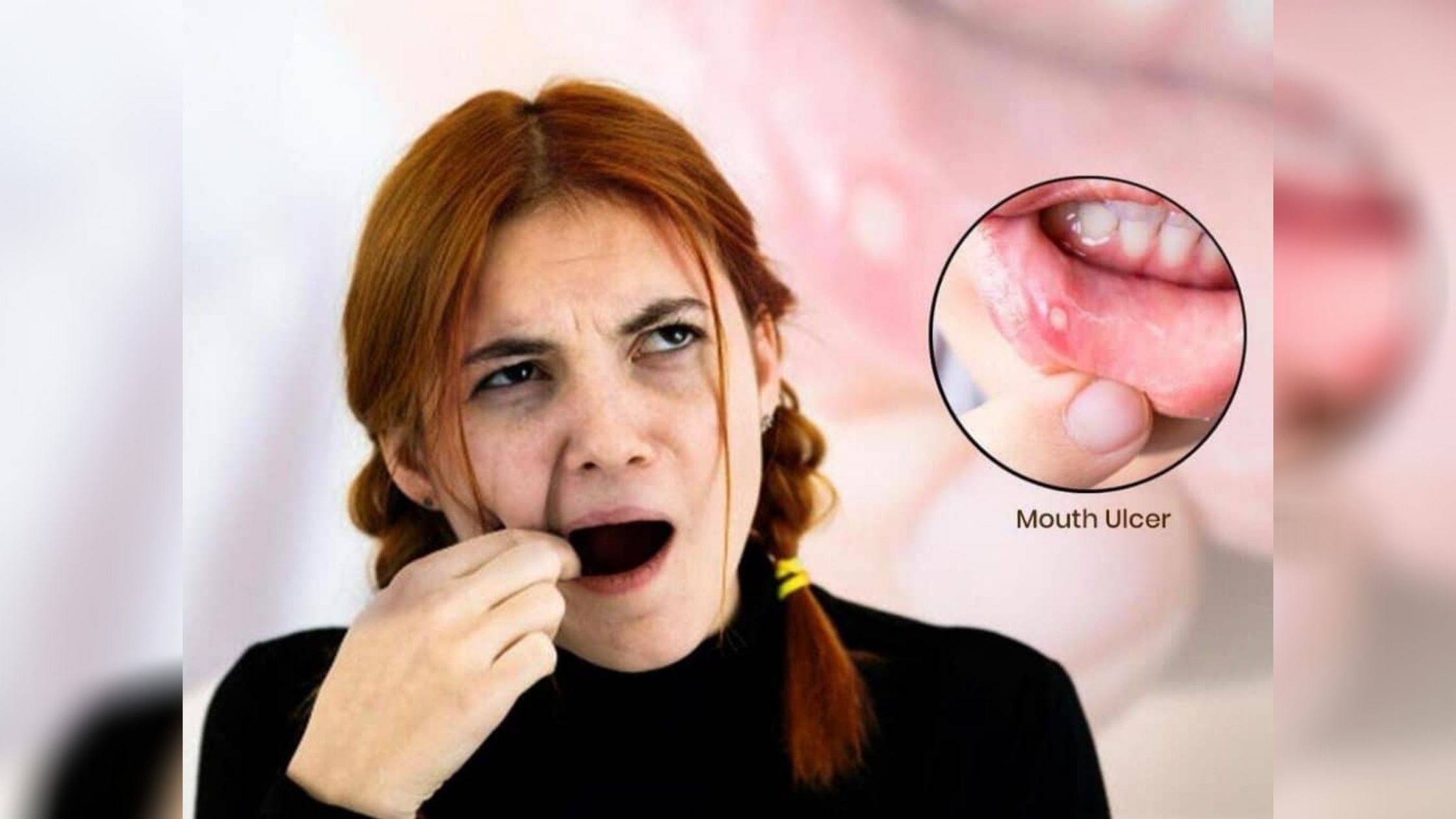
    Mouth Ulcer: Cause, Identification & Treatment

    Viral infections affect the upper respiratory tract and increase the risk of oral ulcers even in healthy people during the winter months. Mouth ulcer, also known as canker sores, are usually small, painful sores that develop in the mouth or at the base of the gums. This can cause discomfort in eating, drinking, and talking. In particular, women and adolescents have a higher risk of developing mouth ulcers. And if these ulcers have occurred in family history, people can also develop oral ulcers.

    Mouth Ulcer CAUSE:

    Although, there is no specific cause behind oral ulcers, there are a few reasons that have been mentioned. First of these is the lack of essential vitamins, especially B-12, zinc, folate and iron. Second, minor facial injuries from dental work, stiff brushing, sports injuries, or accidental bites can trigger mouth ulcers. Third, toothpaste and mouth rinses that contain sodium lauryl sulfate may also be a factor. Also, hormonal changes or stress or lack of sleep during menstruation became a cause of mouth ulcers.

    IDENTIFICATIONS: 

    There are three types of canker sores. 

    • Minor canker sores are small oval or round ulcers that heal in one to two weeks without any scarring. It is a form that affects more than 80% of can tax sufferers. 
    • Major canker sores are larger and deeper than those of minors. They have irregular edges and healing can take up to six weeks. Major facial ulcers can result in long-term scarring.
    • Herpetiform canker sores are abnormal and usually develop later in life but are not caused by a herpes virus infection. These canker sores are pinpoint-sized. Often seen in clusters of 10 to 100 lesions but it can merge into a large ulcer. They will heal without scars in about one to two weeks.

     One will be able to diagnose mouth ulcers through a visual exam.

    Mouth Ulcer TREATMENT:

    Most oral ulcers do not require treatment. However, if mouth ulcers are being a frequent case, or being extremely painful, then several treatments can reduce the pain. Leaving ice cubes to melt over ulcers can be very helpful. Also, one can wash the mouth with salt-water or a mixture of baking soda and water, which can help reduce the pain. Sometimes, using topical pastes can be helpful. Also, you can try using natural remedies like chamomile tea, echinacea, pepper, and Madrid root to relieve pain. There’s also present some anti-ulcer gels to get relief. Whether it is painful or not, try to avoid spicy, acidic, and abrasive foods.

    When to consult doctor

    One should consult a doctor if they develop any of the undermentioned:

    • unusually large mouth ulcers
    • sores that persist more than three weeks
    • mouth ulcers that extend to the lips
    • pain that can’t be controlled with over-the-counter or natural medication
    • severe problems eating and drinking
    • high fever or diarrhoea whenever the canker sores appear

    Mouth ulcers can also be a symptom of serious conditions that require proper treatment or medical help, such as:

    1. Celiac disease
    2. Inflammatory bowel disease
    3. Diabetes
    4. Behçet’s disease
    5. HIV/AIDS
  • What exactly makes up your coffee? | Types of Coffee

    What exactly makes up your coffee? | Types of Coffee

    Coffee is traditionally grown in Kerala, Karnataka, Tamilnadu extending to Andhrapradesh and Odissa as well. The two main types of coffee grown in India are Coffee Arabica and Coffee Canephora (Robusta). A coffee bean consists of seed, silver skin, endocarp (provides protection), mesocarp (flesh of coffee fruit), and epicarp (outer skin). Let us focus on these main 2 species i.e Robusta and Arabica.

    Coffee Arabica

    It is grown in cool temperatures and at a higher altitude from November to January.  Arabica is smoother, sweeter and is preferred more over Robusta due to its strong aroma and flavor. The yield obtained though is pretty low and Arabica is more prone to pests and hence requires constant care. Arabica has higher lipid content compared to Robusta. Arabica is further divided into two types i.e Typica and Bourbon.

    Subtypes of Arabica:

    • Typica: Typica is pretty tall i.e around 5 meters. This variety though has a low yield but it has excellent cup quality. It is not commonly grown due to its increased susceptibility to pests/insects. A well known Typica variety is the Blue Mountain Coffee produced in Jamaica. Subtypes of Typica include Java, Maragogype, and Timor Hybrid. It is often cross-bred with other varieties for better benefits.
    • Bourbon: It is a mutated version of Typica and has a sweeter taste. This variety has a balanced aroma and has a variety of mutations and subtypes. These species can have red, yellow, pink, or orange berries depending on its variety.

    Benefits of Coffee Arabica:

    Arabica is a good source of B vitamins, Vitamin E, Magnesium, potassium. Coffee is also known to have protective effect against Alzheimers, Type 2 diabetes and Dementia. It also helps in reducing blood pressure.

    Coffee Robusta:

    Robusta requires a hot and humid climate and is grown from December to February. It is more resistant to pests and caffeine content of this bean is higher than that of Arabica. Robusta has a bitter and nutty flavor attributed to chlorogenic acids and may not be preferred by a lot of people.

    Benefits of Robusta:

    Owing to its high chlorogenic acid content, Robusta can help in reducing cholesterol typically bad cholesterol levels also known as LDL. It may also help boost fat metabolism, thus aiding in weight loss. It also helps in regulation of blood pressure.

  • Can coronavirus spread through food products?

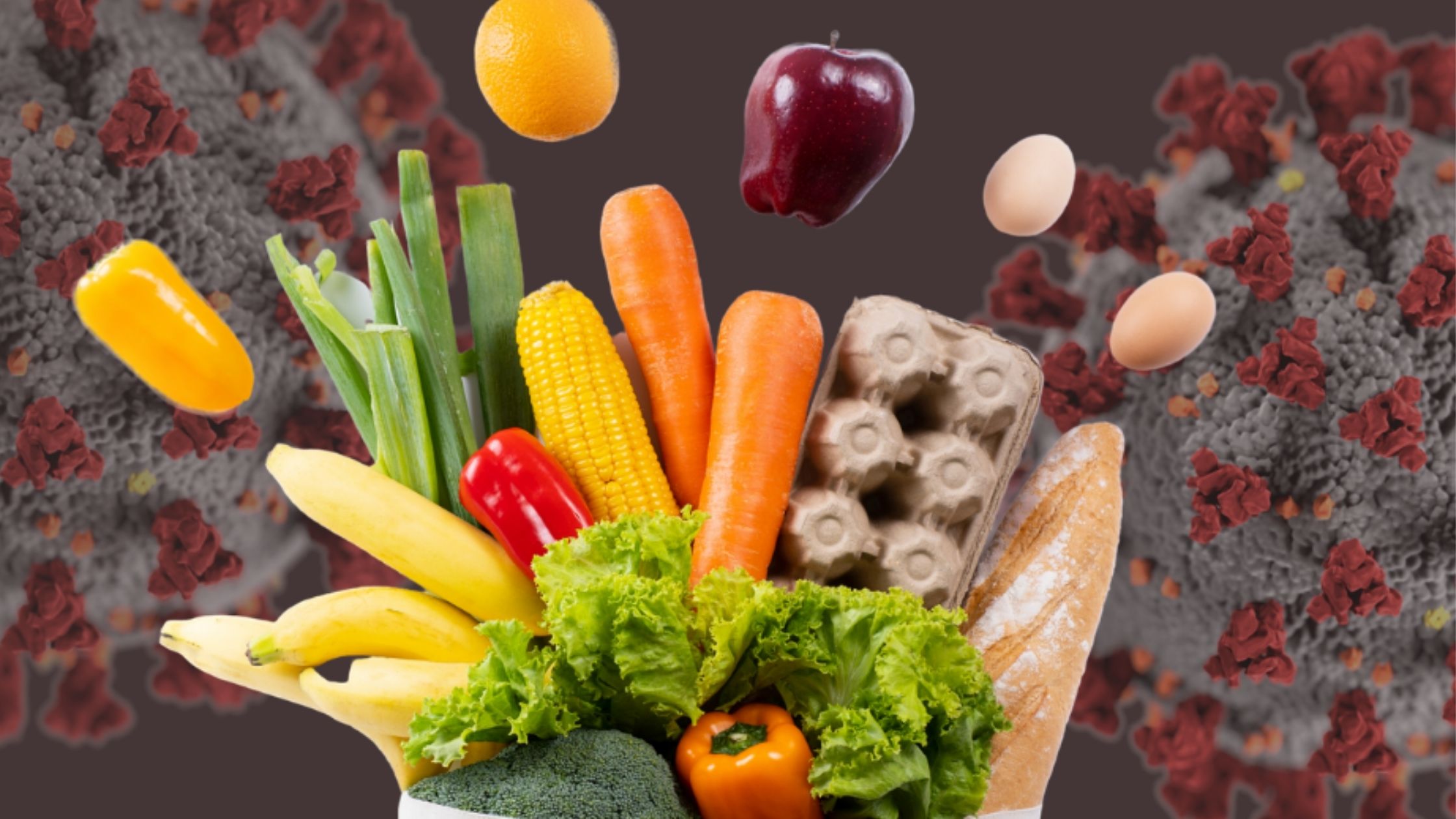
    Can coronavirus spread through food products?

    This is a lingering question that arises in many minds especially during the pandemic. Various companies have taken advantage of this fear and have started advertising food cleaners for cleaning food but the real question that arises is does the virus spread through food?

    Corona virus spreads through droplets transmitted when a person coughs, sneezes or talks. Air borne spread can occur if the droplets linger in the air for some time.

    Packaged food or containers: Packaged foods if touched by an infected person are likely to spread the infection. Hence no contact delivery maybe undertaken by some hotels/restaurants to lessen the transmission. It is important to wash hands for atleast 20 seconds after coming in contact with the food containers bought from outside.

    Vegetables/Fruits: It is unlikely that the virus can be transmitted through food especially if it has been heated. WHO’s Dr. Margaret Harris recommends washing foods before consumption irrespective of whether the food has been loose or packaged. According to a professor and food safety specialist from North Carolina State University though, coronavirus is unlikely to spread through food as the virus needs a living body to survive.

    The virus though might be introduced if the foods are coughed, sneezed or touched by an infected person. Hence it is important to wash or sanitize our hands as well as clean the vegetables/fruits properly. Also wash the bag, your clothes and take a bath after coming back from shopping.

    Frozen foods: Frozen foods was found to be carriers of the virus as evidenced from an incident that occurred at wholesale market at Beijing, where the virus was detected at a cutting board used for importing salmon. Although since July 2020, nine such incidents have reported to find the virus on imported foods. In August 12th local authorities in China had found the virus on a frozen chicken wing which was imported from Brazil. These incidents can be attributed to poor hygiene practices and contaminated water usage. According to a research published in Elsevier, continuous low temperatures can create a favourable atmosphere for prolonging survival of the virus. The chances of infection spreading through foods are pretty low and not much evidence has been found.

    Utensils/packaging material: According to U.S. National Institute of Health (NIH), corona virus can stay upto 4 hrs on copper, 24hrs on cardboard and upto 3 days in stainless steel and plastic materials.

    Water: No evidence has been found of the virus spreading through water.

    Things to keep in mind:

    • Wash foods gently with water and use a scrubber or a brush in case of hard foods like cucumber, potatoes, etc.
    • Do not use chemicals, bleach, soap, sanitizer, alcohol, disinfectant to clean foods.
    • Refrigerate foods within 2 hrs of purchase especially the perishables.
    • Regularly wash and sanitize kitchen surfaces.
    • Clean and sanitize the food packagings or the surfaces where the packages had been kept before (eg: plastic bags).
  • Horse gram: Why this underrated legume is good for you

    Horse gram: Why this underrated legume is good for you

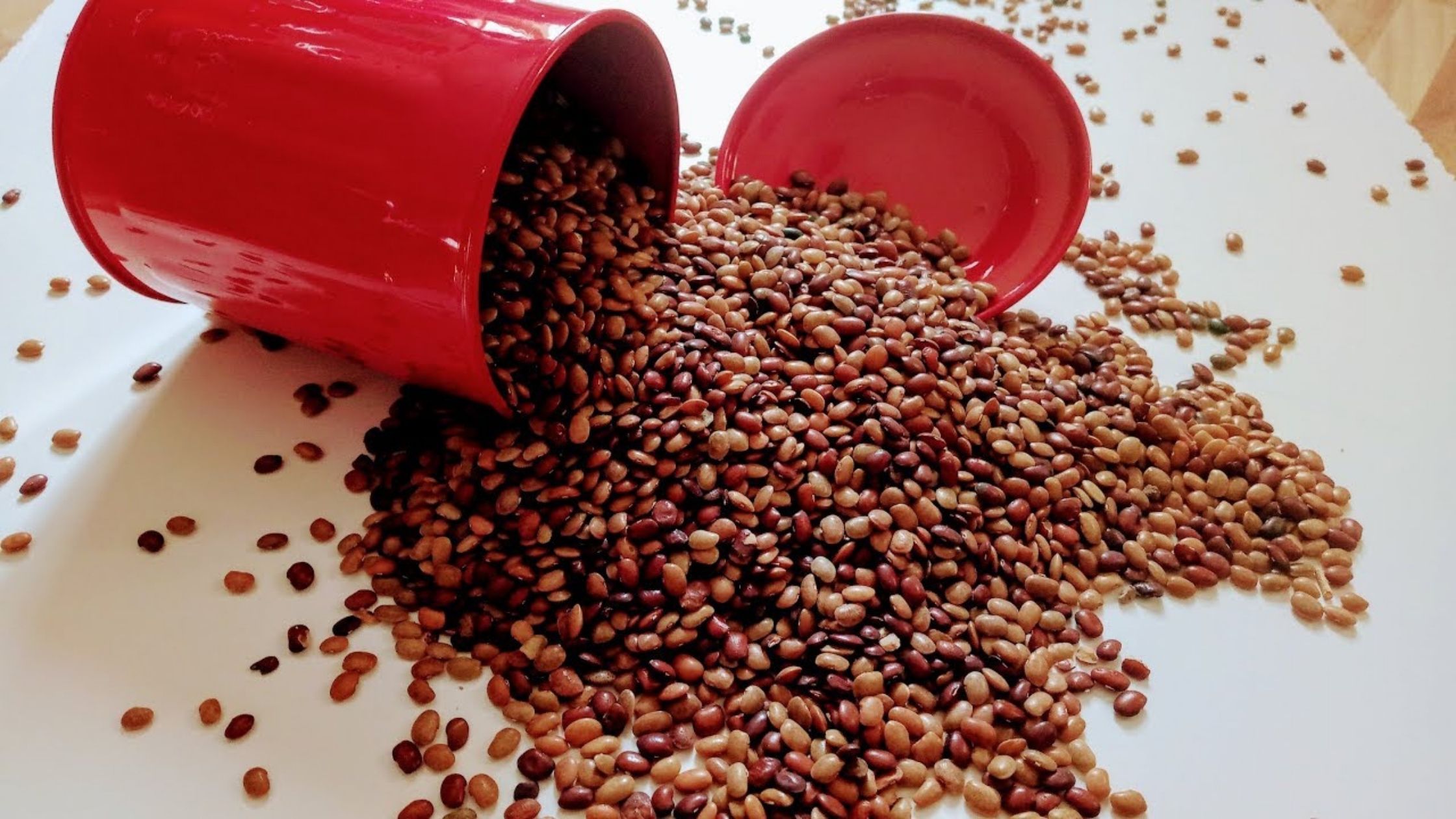
    Horse gram also called as kulith is a pulse cultivated in the Southeast Asian subcontinent and Africa. True to its name this pulse is fed to racehorses to increase their stamina, energy, and weight. It is extremely nutritious and can be used to make chutneys, soups, rasam, gravies, tikkis and many more food items! Read on to know the health benefits of this wonderful pulse…

    Health benefits of horse gram:

    1. High in fiber: Horse gram is a good source of fiber. A 100 grams serving gives you about 5 grams of fiber. Fiber helps in providing satiety, reduces blood pressure and helps in controlling glucose levels. Fiber also helps in reducing occurrences of diarrhoea and loose motions. Satiety provided by fiber also helps in weight loss.
    2. Good protein source: Horse gram is a good source of protein. Protein is required for maintenance of our body especially our muscles. It also helps in providing satiety as well as improving our immunity.
    3. Reduction of skin rashes and boils: Horse gram can be used as a face pack to reduce skin boils/ rashes. It increases skin glow and also removes dirt and dust from our skin thus exfoliating it as it is high in antioxidants.
    4. Good source of Iron: Horse gram is a good source of Iron. This will help in reducing iron deficiency anaemia. Iron is required for cognition, oxygenation of blood, immunity, healthy hair, skin and nails.
    5. Contains calcium: 287mgs of calcium is found in 100gms of horse gram. Calcium is required for strengthening bones and teeth, neuronal signaling, blood clotting and reducing blood pressure.
    6. Digestion issues: Horse gram helps in relieving issues related to digestion. Incidences of acidity, constipation, acid reflux are all reduced due to consumption of this wonder pulse.
    7. Kidney stones: Horse gram is a good source of polyphenols, antioxidants and phytochemicals which are effective against stone formation. Recurrence of Calcium oxalate stones is reduced and so is the formation, aggregation and crystallization of stones. It also holds effective diuretic properties thus helping in flushing out stones from our body.
    8. Menstrual disorders: Horsegram is effective against Leucorrhea. It also helps in relieving pain, irritation as well as can be effective against irregular menses too.

    Other benefits include effectiveness against asthma, fever and colds, Ulcers, jaundice, etc. As we can see the benefits of this pulse are far more than we thought! So let us spread the word about this wonder pulse from today.

  • Stop laughing on this International Stuttering Awareness Day and raise the world to understand, accept, and support stutters.

    Stop laughing on this International Stuttering Awareness Day and raise the world to understand, accept, and support stutters.

    “It’s nothing to be ashamed of to have a stutter.”

    – Emily Blunt

    Stuttering is a speech disorder characterized by words, pronunciation, or repetition of words. The sound is lengthened and creates speech barriers. The stammering person has trouble speaking in general. This awareness day is basically celebrated over UK and Ireland. From 1998, this day of October 22 is designed as International Stuttering Awareness Day.

    This year’s theme is “Journey of Words – Resilience and Bouncing Back”. Nowadays, this day is known globally and observed. International Stuttering Awareness Day is organized by three organizations:

    1.  European League of Stuttering Associations.
    2. International Fluency Association.
    3. International Stuttering Association.

    These days, as time goes on, people become more reliant on technology and forget about every social behaviour. But not only now, but throughout the millennium, stuttering has become of interest to many physicians, including the famous Stutter, an ancient Greek politician, and Demosthenes.

    The best way to celebrate this day is to read about some of the most talented people who have tackled with stuttering and listen to them how much they have worked to overcome it. “The King’s Speech” is his Oscar-winning historical drama about King George VI of England and his speech and language therapist Lionel Logue, who eventually worked tirelessly to make him suffer for his disability. ISAD includes an online conference that runs from 1 to 22 October each year, targeting people as well as speech-language pathologists and their clients. This includes public awareness events, a media campaign, educational activities and online resources.

    “Fear the soldier who stammers, for he is very fast at pulling the trigger.”

    ― Michael Bassey Johnson

    This day is a good time to talk to those stuttering people about their lives and struggles. The International Stuttering Association has run events and campaigns to highlight how difficult it can be for those who are struggling with certain aspects of society. We may also consider providing grants to those associations to help improve the lives of those who cannot be treated. There is no cure for walking, although many therapies have been shown to be successful in helping to reduce speech imperfections.

  • Food-related television advertisements linked to childhood obesity

    Food-related television advertisements linked to childhood obesity

    Food advertisements: Obesity is a lurking health issue, defined as excess fat accumulation. India experiences both under and over nutrition. A cross-sectional study conducted in 396 children aged 12-14 years in January last year showed the prevalence of overweight and obesity to be 8% and 5% respectively. Yet another survey found 5% of children and adolescents between 5 years and 19 years to be overweight.

    Link of food advertisements to obesity:

    A study conducted globally examined a comparison between television food advertising to children in various countries. 68,462 advertisements were identified, of which 18% were for food advertisements. The most frequent food advertisements were found to be that of fast foods, chocolates, confectioneries, and high fat, high sugar, and high salt sauces. A lot of these unhealthy food advertisements were seen to be targeted at children with discounts and premium offers.

    According to a 2008 study children encounter more than 5500 food advertisements that were aired per year. A 2006 study by Arnas found that about 40.3% of children asked their parents to buy the food shown in advertisements. It was also seen that preschool children demand more of these food products while the parents are out on shopping more than older children as they have a better understanding of marketing. A study conducted in the UK published in PLOS this year stated the importance of imposing a restriction on television advertising for food products high in fat, salt, and sugar (HFSS). According to the study, a reduction by 9.1 kcals would occur with restrictions on HFSS advertisements. This could reduce obesity by 4.6% and overweight by 3.6%.

    In conclusion, we can see that children are exposed to heavy amounts of food advertising that might result in poor food choices. Young children especially are highly influenced by the advertisements which can lead to increased consumption of junk foods high in sodium, sugar and, fat. It is important to reduce screen timings as well as educate young children about how bad food choices can have a negative health impact on them later on.

  • What is osteoporosis? Symptoms, risk factors and prevention of the disease

    What is osteoporosis? Symptoms, risk factors and prevention of the disease

    Osteoporosis is a bone-related disease that leads to a lack of bone density thus increasing your risk of fractures. World Osteoporosis Day is a campaign commemorated on October 20th to raise awareness regarding the prevention, diagnosis, and treatment of disease. It is also remembered to raise awareness regarding the burden on the caregivers and the lost independence in patients suffering from the disease. Given below are the factors regarding symptoms, risk factors, and prevention of the disease.

    Symptoms of osteoporosis:

    1. Pain in the lower back area is prominent
    2. Fractures that don’t heal easily.
    3. Loss of height due to stooping
    4. Low handgrip strength
    5. Severe back/neck pain

    Risk factors:

    1. Age: Being older increases the risk of developing the disease.
    2. Poor lifestyle habits: Poor lifestyle habits like excessive smoking or alcoholism increases the risk.
    3. Women above age of 45: Menopause leads to low levels of estrogen, thus increasing the risk of this disease.
    4. Less testosterone in men: Testosterone increases bone density; hence lack of testosterone is an increased risk factor.
    5. Family history: Family history of osteoporosis or bone related diseases increases the risk.
    6. Certain medications: Medications consumed for hyperparathyroidism, hyperthyroidism, kidney diseases and diabetes can increase the risk.

    Prevention:

    1. Exercise: Exercising regularly helps in the maintenance of bones and muscles and there is the strengthening of the skeletomuscular system.
    2. Appropriate diet: Foods rich in calcium like milk, cheese, green leafy vegetables, fishes (consumed with bones) are good sources. Vitamin D also plays a major role in strengthening bones. Sources include sunlight, Liver, eggs, mushrooms (exposed to sunlight), salmon, etc.
    3. Get yourself tested: It is important to get yourself tested once in a while to check your bone mineral density and to take the necessary steps required if at all you have low levels.
    4. Give up certain habits: It is important to exercise, avoid smoking as it is shown to reduce bone mineral density. Excessive alcoholism is also detrimental.
    5. Appropriate footwear: Use low-heeled/ flat-soled shoes to prevent falls.
    6. Take care of where you walk: Avoid walking in smooth marble/ highly polished tiles as they are very slippery and prone to falls.
    7. Well-lit places: Keep all rooms and hallways well lit.
    8. Use railings/bars: Use handrails if the floor is particularly slippery or pathways are narrow (eg: staircase)
  • 10 warning signs that might be seen before a stroke

    10 warning signs that might be seen before a stroke

    Strokes occur when there is blockage of blood vessels or narrowing of blood vessels which leads to a lack of oxygen. The blockage of blood vessels can lead to mini-strokes also called Transient Ischemic Attacks (TIA). Transient ischemic strokes might last from a few hours to minutes. According to Peter Rothwell, professor at the University of Oxford, it was seen that almost half of the most recent TIAs and about a third of the first TIAs occurred in the two weeks before the presenting stroke. These strokes must be considered as a warning sign and it is important to consult a doctor before it’s too late.

    Some of the warning signs that might be seen are:

    1. Face drooping: One side of the face droops and there might also be numbness on that one side of the face.
    2. Limbs weakness: Weakness or numbness on one side of the arms or legs is experienced.
    3. Difficulty speaking: Inability to speak properly or slurring during speech is seen. It will be difficult to understand the speech of these people.
    4. Difficulty in vision: The person will have difficulty seeing in either one or both of the eyes. Involuntary eye movements or losing vision in either left or right side of the visual field might be seen.
    5. Difficulty in maintaining balance/coordination (gait disturbances): The person may experience difficulty in standing/walking/balancing oneself.
    6. Dizziness: Reduced blood supply to the brain can lead to dizziness.
    7. Headaches: Sudden headaches which may be severe without any cause.
    8. Stiffness in muscles: Also called as hypertonia, there can be muscle paralysis experienced due to which the person might lose the ability to balance oneself.
    9. Behavioural changes: The person may experience feelings of irritability, forgetfulness, anger and confusion. Memory loss is common.
    10. Dysphagia: Difficulty in swallowing food might be experienced leading to increased risk of malnutrition, dehydration and reduced immunity due to poor nutrition.

    If the above signs are seen, it is important to consult a doctor immediately.

  • Some amazing benefits of aloe vera|health benefits of aloe vera

    Some amazing benefits of aloe vera|health benefits of aloe vera

    Aloe vera has been known for its healing properties for at least 6,000 years. This plant has been known as the “plant of immortality” since ancient times. It is a dense, short-stemmed plant that stores water in its leaves. It has several uses that can apparently be adjuvant to health. Here are Some amazing benefits of aloe vera.

    benefits of Aloe Vera

    Aloe Vera is rich in nutrients. 

    It’s have been written that juice that extracts from the Aloe plant contains numerous nutrients and minerals. It is full of vitamins B, C, E, and folic acid. And aloe vera is one of the few plant sources of vitamin B-12, which is great news for vegetarians. It also consists of minerals like calcium, copper, chromium, sodium, selenium, magnesium, potassium, manganese, zinc. 

    And thus Aloe Vera is important to keep your food and drink nutritious to fight most preventable diseases.

    It has antioxidant and antibacterial characteristics.

    Antioxidants are important for health. And Aloe vera is known for its antibacterial, antiviral, and antiseptic properties. Aloe vera gel contains a powerful antioxidant known as polyphenols that, along with some other compounds, inhibits the growth of certain bacteria that can cause infections in humans. And thus comes the reason why Aloe can help to heal health problems.

    Help to hydrate.

    The ideal way to treat dehydration is to drink aloe juice. Our kidneys and liver are primarily responsible for detoxifying your blood and urinating. So, drink aloe juice instead of water to keep the organs hydrated and healthy.

    A wonder for the skin.

    As such, aloe vera is a rich source of antioxidants and vitamins that can protect the skin. Important compounds of aloe vera have been shown to neutralize the effects of ultraviolet (UV) radiation, repair your skin from existing UV damage, and help prevent fine lines and wrinkles. So applying Aloe juice on the skin will work as wonder for the skin.

    Magic gel for hair.

    Aloe vera contains a proteolytic enzyme that repairs dead skin cells on the scalp. It works as a great conditioner and leaves our hair all smooth and shiny. Also promotes our hair growth, prevents itching of the scalp, reduces dandruff.

    There are more benefits of Aloe vera like reducing constipation, lowering blood sugar levels, and many more. But white as black complements forever. So even this amazing plant has some side effects. That being said, oral use of aloe vera can cause stomach upset or diarrhea due to its laxative effects. There have been some reports of liver damage, including long-term aloe vera supplementation. So, please take the doctor’s advice before using aloe vera.