US Secretary Claims India Stops Russian Oil Trade as 500% Tariff Legislation Approaches

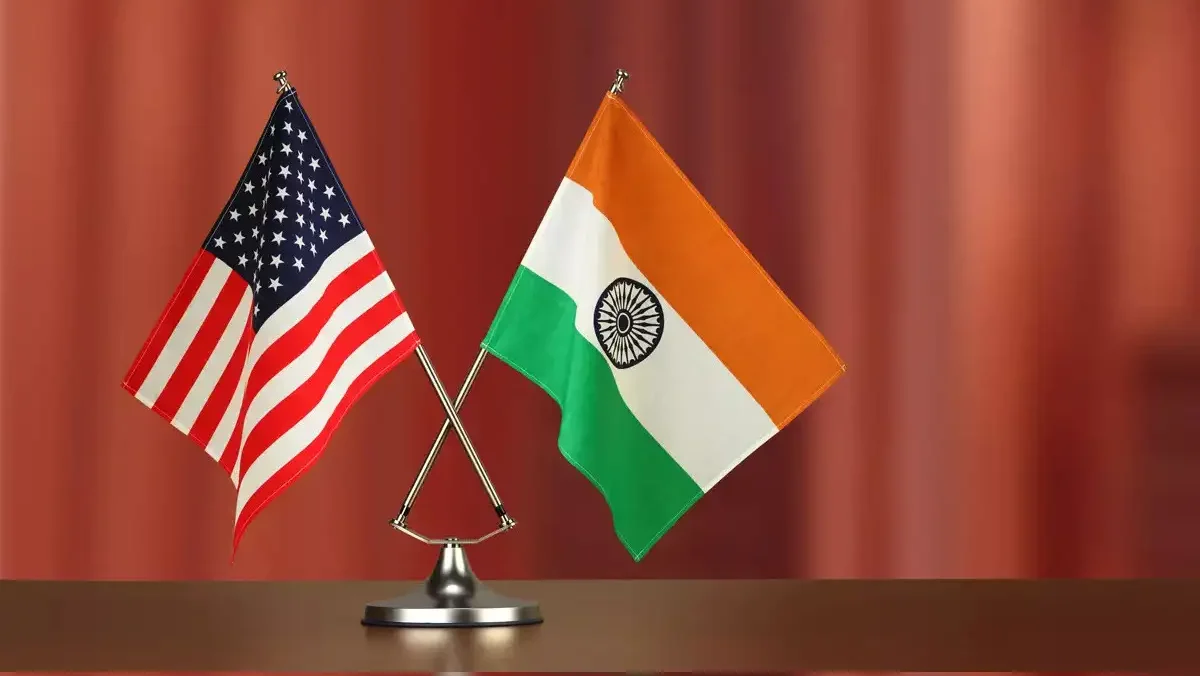
US Treasury Secretary Scott Bessent recently remarked that India has reduced its imports of Russian oil, a change he attributes to tariffs imposed by President Donald Trump. During an interview at the World Economic Forum, Bessent pointed out that India had initially ramped up its purchases of Russian crude following the onset of the Ukraine conflict. However, the implementation of a 25% tariff has led to a notable decline in these imports. This comes against a backdrop of proposed legislation that could introduce even higher tariffs on nations continuing to trade with Russia.
India’s Response to Tariff Proposals
In response to Bessent’s statements, India has not officially confirmed any reduction in its Russian oil imports. Nevertheless, the Indian External Affairs Ministry has acknowledged awareness of the proposed US legislation, which intends to impose tariffs of up to 500% on countries that continue to procure Russian crude oil. Spokesperson Randhir Jaiswal stated that India is closely monitoring the situation and the implications of the proposed bill. This legislation, introduced by US Senator Lindsey Graham, specifically targets nations like India and China, both of which are among the largest buyers of Russian oil.
The proposed tariffs aim to coerce countries into halting their trade with Russia, especially in light of the ongoing conflict in Ukraine. Graham has mentioned that President Trump supports this initiative, which could significantly affect global oil markets and trade dynamics.
India’s Energy Security Strategy
Despite external pressures, India has consistently defended its choice to import Russian crude. The Indian government maintains that its energy sourcing decisions are primarily driven by market conditions and the necessity to ensure energy security for its population. Jaiswal reiterated that India’s energy choices are guided by global market dynamics, with a focus on providing affordable energy to its citizens. This stance reflects India’s broader strategy of balancing its energy needs with geopolitical considerations.
Recent discussions suggest that India might be re-evaluating its approach to Russian oil imports. Reports indicate that Indian Ambassador to the US, Vinay Kwatra, communicated to Graham that New Delhi is, in fact, reducing its purchases. This aligns with Washington’s ongoing requests for India to limit its Russian oil imports, citing concerns that such revenues are aiding Moscow’s military actions in Ukraine.
The Global Implications of India’s Oil Imports
The dynamics surrounding India’s oil imports have far-reaching implications for international relations and global energy markets. As one of the largest consumers of Russian crude, India’s purchasing decisions can significantly influence global oil prices and supply chains. The proposed US tariffs could complicate these dynamics further, potentially prompting shifts in trade relationships and energy sourcing strategies among major economies.
As the situation unfolds, India finds itself in a precarious position, balancing its energy needs with international pressures. Ongoing discussions at platforms like the World Economic Forum underscore the complexities of global trade in the context of geopolitical conflicts, and how nations navigate these challenges in pursuit of their national interests.
Digihunt is not a financial advisor and this is not investment advice.