Understanding the Hidden Costs of Being a Woman in India: Pink Tax, Safety Tax, and Health Tax

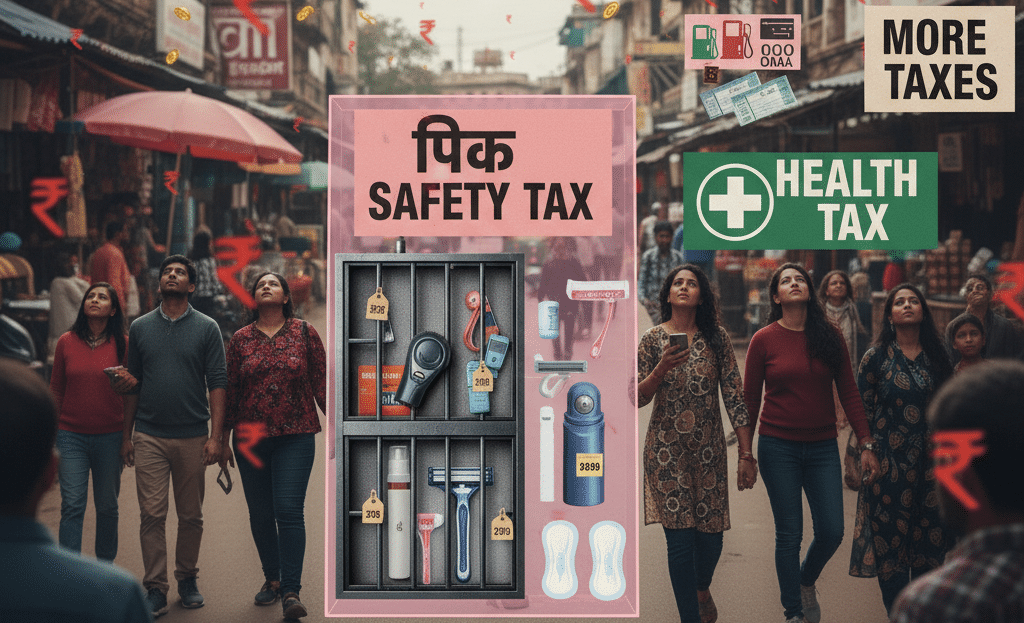
Aastha Jha’s poignant remark, “Agle janam mohe ladka hi kijo,” echoes the frustration many women experience regarding the hidden costs of simply existing in society. This sentiment brings to light the pervasive issue known as the “Pink Tax,” where women pay more for products and services marketed towards them, despite many being nearly identical to those for men. This financial burden on women is significant and often overlooked, raising questions about gender equality and societal norms.
The Pink Tax: An Overview
The Pink Tax describes the additional costs women incur for products and services specifically marketed to them. This phenomenon is not confined to any one country; it exists globally, including in India. Women frequently discover that personal care items, clothing, and even healthcare services carry higher prices than their male counterparts, even though they serve the same purpose. For example, a lavender-scented moisturizer may be more expensive than a basic men’s moisturizer, despite both performing the same function. This discrepancy goes beyond consumer choice; it underscores a deeper societal issue where women’s needs are often exploited for profit.
Many women remain unaware of the extent of this hidden tax, which can surface in various aspects of daily life. Personal care products, fashion items, and healthcare services frequently come with premium price tags simply because they are aimed at women. This pricing strategy not only impacts women financially but also reinforces gender stereotypes and inequalities within society.
Marketing Strategies and Their Impact
Marketing plays an integral role in perpetuating the Pink Tax. Companies often target women with a vast range of products, framing them as necessities rather than luxuries. This strategy fosters the perception that women are less price-sensitive, compelling them to spend more on personal care and fashion. The skincare industry, for instance, offers numerous products for women, while men’s options remain limited. This disparity creates pressure on women to invest in various beauty and personal care routines, further inflating their expenses.
Moreover, the design of women’s clothing often reflects societal norms that prioritize aesthetics over functionality. Many women find themselves with clothing that lacks practical pockets, necessitating the use of additional bags for their essentials. This design choice not only contributes to financial strain but also hinders women’s convenience and freedom in their daily lives.
The Safety Tax: A Hidden Cost
In addition to the Pink Tax, women encounter what can be termed a “safety tax.” This refers to the extra expenses women incur to ensure their safety while navigating urban environments. Cheaper public transportation options for men may not feel secure for women, leading them to prefer more costly alternatives like cabs or higher travel classes. This necessity is not a luxury but a fundamental requirement for many women who face the constant threat of harassment.
For instance, Aastha Jha revealed that she spends around Rs 6,000 monthly on travel to her office, driven by safety concerns. Unlike men, who may not hesitate to use public transport, women often have to consider safety when planning their travel. This added layer of anxiety and expense underscores the stark differences in how men and women experience urban life.
Healthcare and the Unpaid Labor Tax
Healthcare costs frequently burden women disproportionately, as they face ongoing expenses related to reproductive health, menstrual products, and routine medical care. Although the government removed GST on sanitary pads in 2018, many women, especially in rural areas, continue to struggle with affording these essential items. The financial implications of healthcare are aggravated by the fact that women often earn less than men, making these costs even more challenging to manage.
Additionally, women typically bear the brunt of unpaid domestic and emotional labor, which is not accounted for in economic calculations. Tasks such as caregiving, cooking, and cleaning often fall to women, contributing to their overall workload and financial strain. This unpaid labor represents a significant aspect of the hidden costs women contend with daily, further complicating their financial landscape.
The cumulative effect of these factors illustrates that merely existing as a woman in society comes with higher, unavoidable expenses. As awareness of the Pink Tax and its implications increases, it becomes crucial to recognize these costs as structural issues rather than individual choices. Until society acknowledges and addresses these disparities, women will continue to bear the burden of these hidden taxes in silence.
Disclaimer: Digihunt is not a financial advisor and this is not investment advice.