U.S. Federal Reserve Cuts Interest Rate by 25 Basis Points at Jerome Powell’s FOMC Meeting

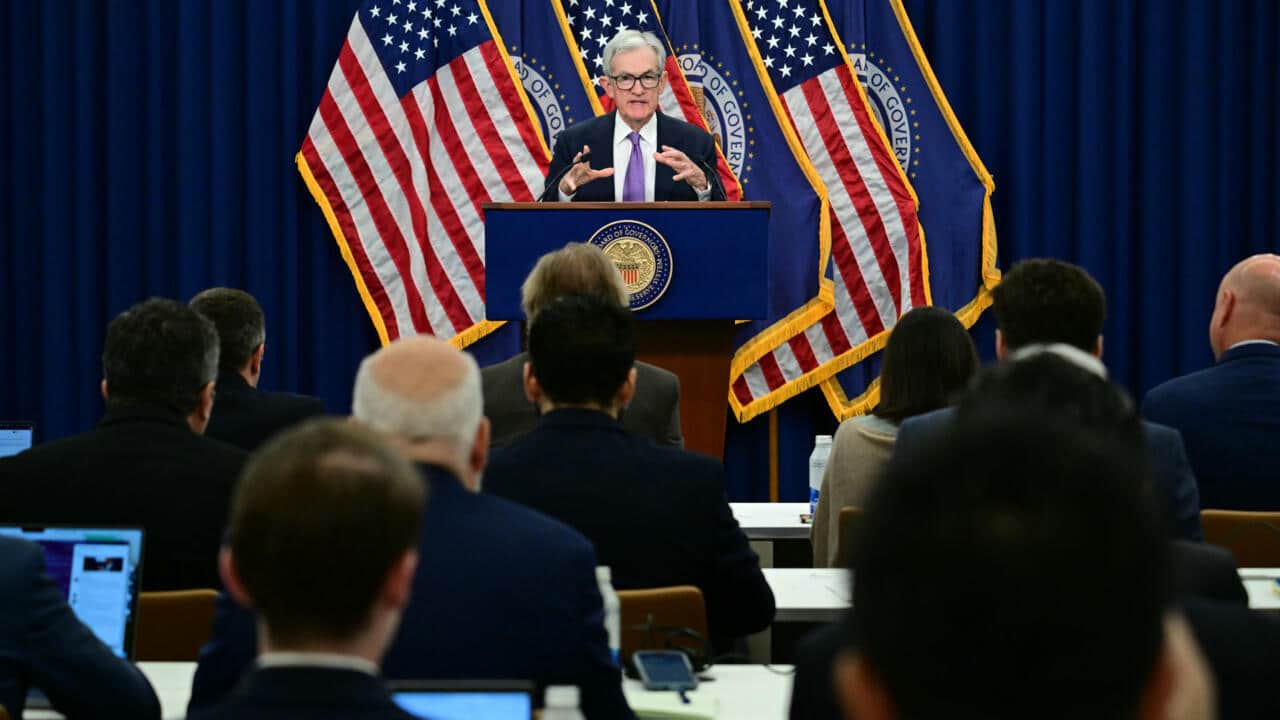
The US Federal Reserve’s Federal Open Market Committee (FOMC), led by Chair Jerome Powell, has announced a reduction in the key interest rate by 25 basis points, bringing it to a range of 3.5% to 3.75%. This is the lowest level in nearly three years. The decision comes amid signs of a slowing job market and rising inflation, as officials strive to support the economy while addressing persistent inflationary pressures.
Details of the Rate Cut
The Federal Reserve’s decision to lower the federal funds rate is a strategic response to current economic conditions. The FOMC indicated that this cut aims to support its dual mandate of promoting maximum employment and ensuring price stability. The new rate range of 3.5% to 3.75% is the lowest since early 2020. The Fed highlighted that economic activity has been expanding at a moderate pace, even as job gains have slowed and the unemployment rate has increased slightly through September. The committee acknowledged that inflation remains elevated, presenting a complex economic landscape that warranted this rate adjustment.
Economic Indicators and Concerns
Recent economic indicators offer a mixed outlook. While overall economic activity is growing, job creation has decelerated, raising concerns among policymakers. The unemployment rate has edged up, and the absence of official employment statistics due to a recent government shutdown has added uncertainty to the labor market’s health. The Fed’s decision is set against a backdrop of ongoing inflationary pressures, which have been exacerbated by tariffs imposed during the previous administration, impacting supply chains. Economists highlight that the Fed faces a challenging balancing act between fostering economic growth and controlling inflation.
Market Expectations and Committee Dynamics
Market analysts largely anticipated this third consecutive interest rate cut, although they expected potential disagreements among FOMC members during discussions. Economist Michael Pearce from Oxford Economics noted the unusual division within the committee regarding the necessity of further rate cuts. This division stems from the tension between high inflation, which suggests caution in reducing rates, and the risks in the employment market that support lower rates. The FOMC, made up of 12 voting members—including seven governors and the president of the New York Federal Reserve—makes decisions through majority voting.
The Path Ahead for the Federal Reserve
The Federal Reserve’s dual objectives—achieving maximum employment and maintaining price stability—often conflict, especially in volatile economic conditions. Lowering interest rates typically stimulates economic activity, while higher rates can help control inflation but may hinder growth. The recent slowdown in employment statistics, coupled with the government shutdown, has created further challenges for the Fed’s decision-making process. As the committee navigates these complexities, its future actions will be carefully monitored by markets and policymakers alike, who are eager to foster a stable economic environment amid ongoing uncertainties.
Digihunt is not a financial advisor and this is not investment advice.