Trump Strikes Deals with Nine Pharma Firms to Lower Medicine Prices to Global Standards

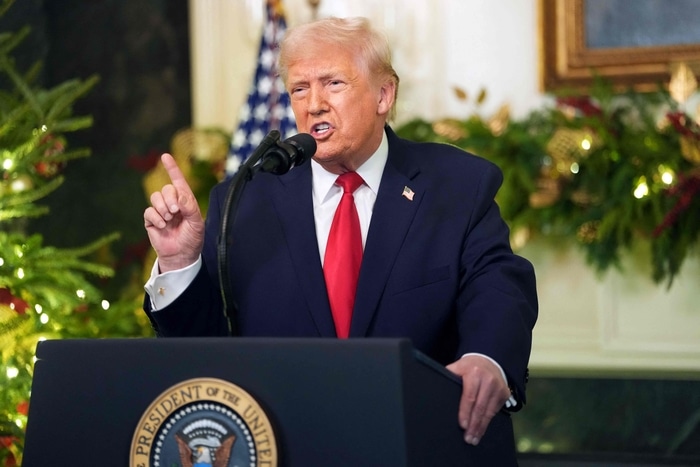
US President Donald Trump has unveiled a landmark agreement with nine major pharmaceutical companies aimed at lowering prescription drug prices in the United States. This initiative aims to bring domestic drug costs in line with those in other affluent nations, tackling a long-standing issue where American patients typically pay much higher prices for medications. The agreements include companies such as Amgen, Merck, and Novartis, employing pricing strategies similar to those used in other wealthy countries, signaling a pivotal change in the U.S. pharmaceutical sector.
Details of the Agreements
The newly established agreements will see participating pharmaceutical companies adjusting their pricing for medications sold through Medicaid. The aim is to make prices comparable to those in other developed nations. Furthermore, new drugs launched by these companies will operate under a “most-favored-nation” pricing model across various markets, including Medicare, Medicaid, and commercial insurance. This approach seeks to eliminate the historical disparity where U.S. patients have subsidized drug costs for the rest of the globe. President Trump highlighted this change, asserting, “We were subsidizing the entire world. We’re not doing it anymore,” during a press conference at the White House.
Impact on Patients and Drug Availability
The agreements also introduce a new direct-to-consumer platform named TrumpRx, set to launch in January. This platform will enable patients to purchase medications directly from manufacturers, potentially enhancing accessibility and affordability. Some companies have committed to offering discounts of up to 70% on selected medications. Notably, Bristol Myers Squibb announced that it would provide its widely used blood thinner, Eliquis, free of charge to Medicaid patients, a move that health economists commend as a crucial step towards health equity. Additionally, several companies have pledged to donate active pharmaceutical ingredients to a national reserve for emergency use, bolstering the country’s readiness for health crises.
Market Reactions and Future Negotiations
The announcement has been positively received by the stock market, with shares of the participating drugmakers seeing an upturn. This favorable shift is partly due to the agreements offering a three-year exemption from potential pharmaceutical tariffs, depending on the companies’ commitments to invest in U.S. manufacturing. President Trump indicated that the prospect of tariffs was a calculated strategy to motivate these companies to act. Currently, the administration has successfully secured pricing agreements with 14 out of the 17 drugmakers it approached earlier this year, with negotiations still ongoing with the remaining companies.
Broader Implications for the Pharmaceutical Industry
These agreements signify a major transformation in the pharmaceutical industry, aiming to tackle the high costs of prescription drugs that have long affected American consumers. By aligning U.S. drug prices with those in other wealthy nations, the administration aspires to establish a more equitable healthcare system. The commitment from pharmaceutical companies to provide discounts and direct purchasing avenues could lead to better access to essential medications for millions of Americans. As negotiations progress, the outcome may reshape the future landscape of drug pricing and availability in the United States for years to come.
Digihunt is not a financial advisor and this is not investment advice.