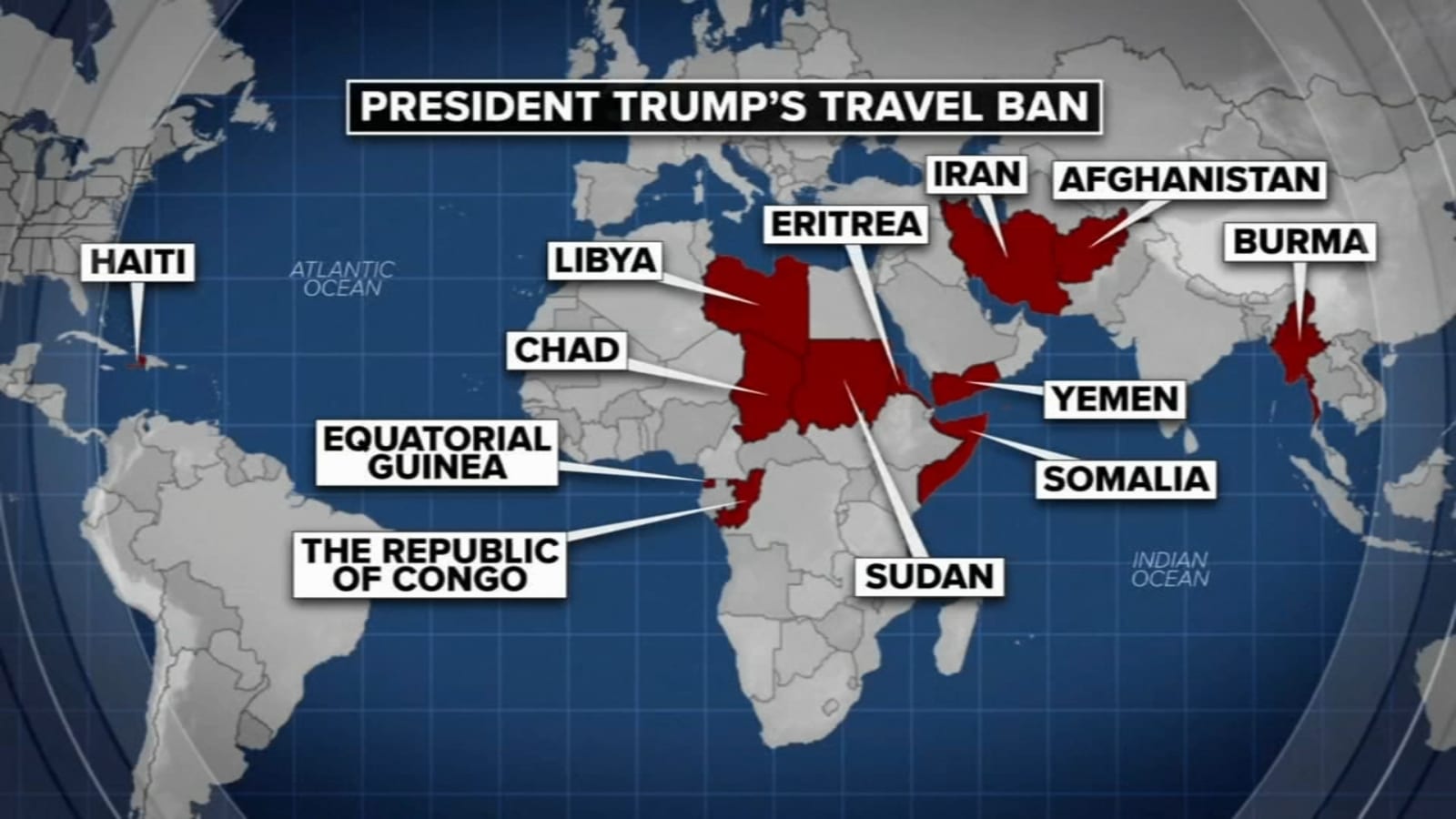
The Trump administration has announced a significant expansion of travel restrictions, now affecting an additional 20 countries and the Palestinian Authority. This move effectively doubles the number of nations facing strict travel and immigration limits to the United States, drawing criticism for its broad scope. The decision follows a recent incident involving an Afghan national accused of attacking National Guard troops, raising concerns around national security and immigration enforcement.
Expansion of Travel Restrictions
On Tuesday, the Trump administration revealed that it would add five more countries to its travel ban list. The new countries include Burkina Faso, Mali, Niger, South Sudan, and Syria. Furthermore, individuals traveling on documents issued by the Palestinian Authority will face a complete entry ban into the U.S. This action continues the administration’s efforts to tighten entry standards for foreign nationals. The announcement also includes partial restrictions on 15 other nations, such as Angola, Nigeria, and Zimbabwe, which will now undergo increased scrutiny for travelers wishing to enter the U.S.
The rationale behind these restrictions centers on concerns about corruption, unreliable civil documentation, and high rates of visa overstays in the affected countries. Officials argue that these factors complicate the vetting process for travelers. However, critics contend that the measures unfairly target individuals based on nationality rather than legitimate security issues.
Background of Previous Restrictions
This recent announcement builds on earlier travel restrictions implemented in June, when President Trump banned citizens from 12 countries and imposed additional limitations on seven others. The original list included nations like Iran, Libya, and Yemen, which were cited for various security and immigration enforcement issues. The administration argues that these restrictions are essential for protecting national security and ensuring the integrity of the immigration system.
Following a recent shooting incident involving an Afghan national, the administration has intensified its focus on immigration enforcement. The Afghan suspect has pleaded not guilty to charges of murder and assault, further justifying the expansion of travel restrictions.
Impact on Palestinian Authority Passport Holders
The new restrictions particularly target individuals holding Palestinian Authority passports, making it almost impossible for them to obtain travel documents for entry into the U.S. This move comes after previous limitations that already made travel for Palestinian Authority passport holders extremely challenging. The administration cited the presence of U.S.-designated terrorist groups operating in the West Bank and Gaza Strip as a key reason for the ban, claiming these groups pose a threat to American citizens.
The implications of these restrictions are significant, impacting travel for business and education while also preventing individuals from emigrating to the U.S. Critics argue that this policy is part of a broader trend of demonizing individuals based on their nationality and background rather than addressing genuine security concerns.
Reactions and Future Considerations
The expansion of the travel ban is expected to face strong opposition from various advocacy groups and legal organizations. Critics assert that the administration’s approach is discriminatory and unjust, using national security as a pretext to exclude individuals from specific countries. Laurie Ball Cooper, Vice President of U.S. Legal Programs at the International Refugee Assistance Project, described the expanded ban as a shameful attempt to stigmatize people based on their origin.
As the administration implements these restrictions, the timeline has not been clearly defined, leaving many potential travelers uncertain about their ability to enter the U.S. The ongoing debate highlights the complex intersection of national security, immigration, and human rights in the current political landscape.
Disclaimer: Digihunt is not a financial advisor, and this is not investment advice.