Supreme Court: Husband Must Provide Maintenance Even if He Disobeys Court Order

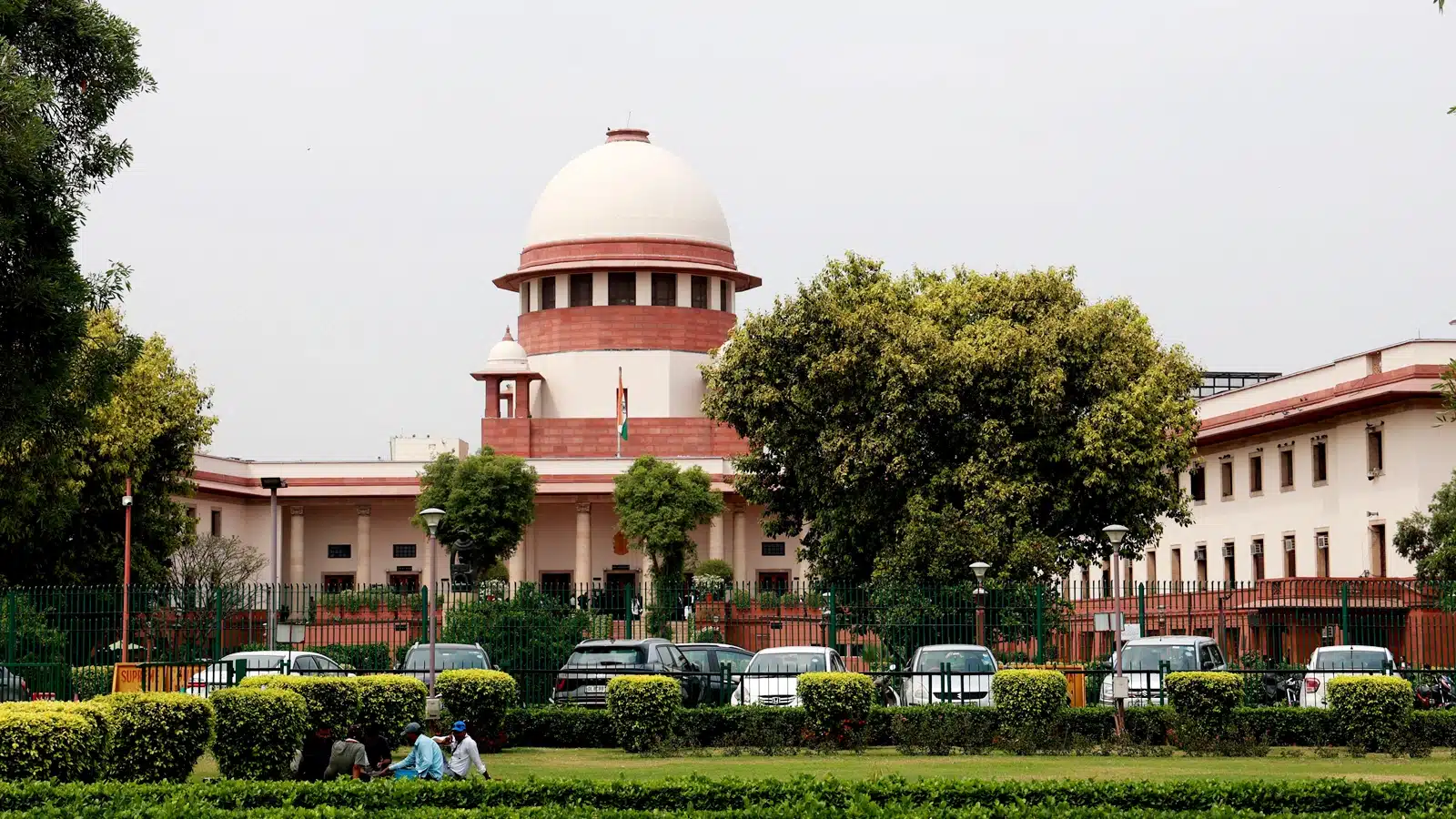
On January 10, 2025, the Supreme Court delivered a landmark ruling that reinforces the protective nature of maintenance laws in India. The Court clarified that a husband cannot evade his maintenance obligations under Section 125 of the Code of Criminal Procedure simply by obtaining a decree for restitution of conjugal rights, even if the wife does not return to the marital home. This ruling emerged from a case involving a couple whose marriage faced significant challenges, highlighting the importance of individual circumstances in maintenance claims.
Background of the Case
The case originated from the marriage of Rina Kumari and Dinesh Kumar Mahto, which took place on May 1, 2014. Their relationship deteriorated by August 2015 due to allegations of harassment and dowry demands, prompting Rina to move back to her parental home. In an attempt to restore their marriage, Dinesh filed for restitution of conjugal rights under Section 9 of the Hindu Marriage Act, 1955. The Family Court in Ranchi ruled in his favor on April 23, 2022, ordering Rina to return to their marital home within two months. However, Rina did not comply with this decree.
While the restitution proceedings were ongoing, Rina sought maintenance from Dinesh under Section 125 of the CrPC, citing her lack of independent income. The Family Court granted her a monthly maintenance of ₹10,000 on February 15, 2022, recognizing her financial dependency. Dinesh challenged this decision in the Jharkhand High Court, which later overturned the Family Court’s ruling, arguing that Rina had withdrawn from the marital relationship without sufficient cause.
Supreme Court’s Ruling
Dissatisfied with the High Court’s decision, Rina appealed to the Supreme Court, which examined whether her failure to comply with the restitution decree disqualified her from receiving maintenance. The Supreme Court found that the High Court had erred in its judgment. It emphasized that the maintenance provisions under Section 125 CrPC are designed to protect vulnerable individuals, rather than to punish them.
The Court clarified that a wife’s non-compliance with a decree for restitution does not automatically negate her right to maintenance. It distinguished between a refusal to live with a husband and mere non-compliance with a court order, asserting that the latter does not imply a lack of valid reasons for separation. The Court stated that each case must be evaluated based on its unique facts and circumstances, and that the existence of a restitution decree does not inherently disqualify a wife from claiming maintenance.
Factors Considered by the Court
In its ruling, the Supreme Court took into account various factors surrounding Rina’s situation. It noted the husband’s conduct, including his failure to support Rina after she experienced a miscarriage and the ill-treatment she faced during their marriage. These elements were deemed significant in justifying Rina’s decision to remain separated from Dinesh. The Court highlighted that even after obtaining the restitution decree, Dinesh did not take steps to enforce it or seek a divorce based on Rina’s non-compliance.
The Supreme Court reiterated that maintenance proceedings are not punitive but are intended to ensure that a dependent spouse can maintain a dignified life. It emphasized that the interpretation of Section 125 CrPC should be liberal, aligning with the legislative intent to prevent destitution and support social justice.
Outcome and Implications
Ultimately, the Supreme Court set aside the Jharkhand High Court’s ruling and reinstated the Family Court’s order for maintenance. Rina was awarded ₹10,000 per month, effective from the date of her maintenance application, and Dinesh was directed to clear any outstanding arrears within a specified timeframe. This decision underscores the Court’s commitment to protecting the rights of individuals in vulnerable situations and reinforces the principle that maintenance obligations cannot be easily evaded through legal technicalities. The ruling serves as a significant precedent in family law, emphasizing the need for courts to consider the broader context of marital relationships when adjudicating maintenance claims.
Digihunt is not a financial advisor and this is not investment advice.