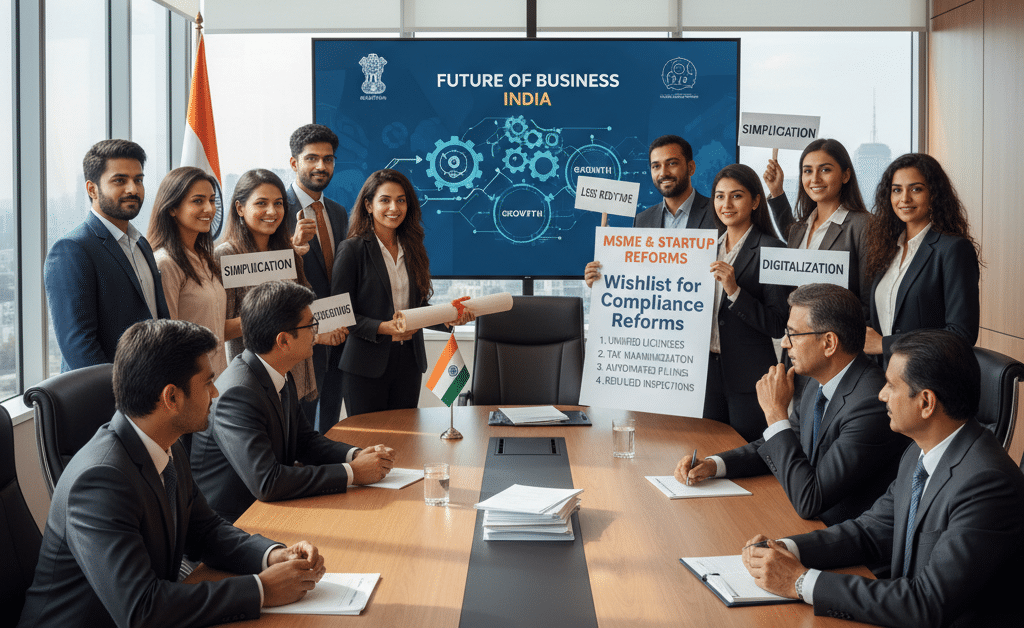
As the Union Budget 2026 approaches, industry leaders are sharing their expectations for measures aimed at easing the financial pressures on micro, small, and medium enterprises (MSMEs) while enhancing the startup ecosystem. With a focus on job creation and entrepreneurship, stakeholders are advocating for targeted initiatives to address cash-flow challenges, compliance issues, and long-term sustainability. Calls for action come amid ongoing funding constraints and regulatory hurdles that threaten the growth of these essential sectors.
MSMEs: Focus on Liquidity, Costs, and Exports
The Associated Chambers of Commerce and Industry of India (ASSOCHAM) has underscored the importance of MSMEs in driving employment and exports. The organization urges the government to enforce strict payment timelines and expedite Goods and Services Tax (GST) and Remission of Duties and Taxes on Exported Products (RoDTEP) refunds to reduce working capital stress. ASSOCHAM also emphasized the need for timely support for sectors negatively affected by tariff fluctuations, especially textiles, gems and jewelry, and seafood.
To bolster MSMEs further, ASSOCHAM is advocating for expanded incentives to promote the adoption of distributed renewable energy solutions. Additionally, the organization is pushing for enhanced cash-flow-based lending via digital platforms and Account Aggregators, as well as targeted credit enhancements for Non-Banking Financial Companies (NBFCs) that lend to MSMEs. These measures aim to lower borrowing costs and simplify customs procedures, thus improving logistics and facilitating cross-border e-commerce exports.
Startups: Governance Reforms and Easier Compliance
The Confederation of Indian Industry (CII) has raised concerns regarding recent corporate governance challenges faced by Indian startups, highlighting the need for stronger oversight mechanisms. The CII recommends fostering independent oversight, enhancing shareholder protection, and promoting transparency to ensure ethical management practices that prioritize long-term success.
To strengthen the startup ecosystem, the CII suggests allowing startups to maintain accounts in non-INR currencies to facilitate global expansion. The organization also calls for a reduction in compliance burdens by simplifying the approval process for licenses and permits and easing adherence to labor and taxation laws. These reforms aim to create a more supportive environment for startups to thrive.
Broader Policy Context Ahead of Budget Day
The expectations articulated by industry bodies reflect the concerns of founders across various sectors. Despite numerous government initiatives, startups continue to face limited access to credit, stringent compliance requirements, and taxation challenges. Ashok Chandra, Managing Director and CEO of Punjab National Bank, noted that MSMEs are likely to remain a focal point in the upcoming Union Budget, alongside rural infrastructure and capital expenditure-led growth. He emphasized that prioritizing these areas could attract new entrepreneurs and capital investment.
As Budget Day approaches, industry leaders and entrepreneurs are optimistic that targeted interventions for MSMEs and startups will help stabilize cash flows, reduce regulatory friction, and foster sustainable growth. The anticipation for effective policy measures highlights the critical role these sectors play in the overall economic landscape.
Digihunt is not a financial advisor and this is not investment advice.