Meet Muhammad Binghatti: The Dubai Architect Redefining Iconic Global Structures

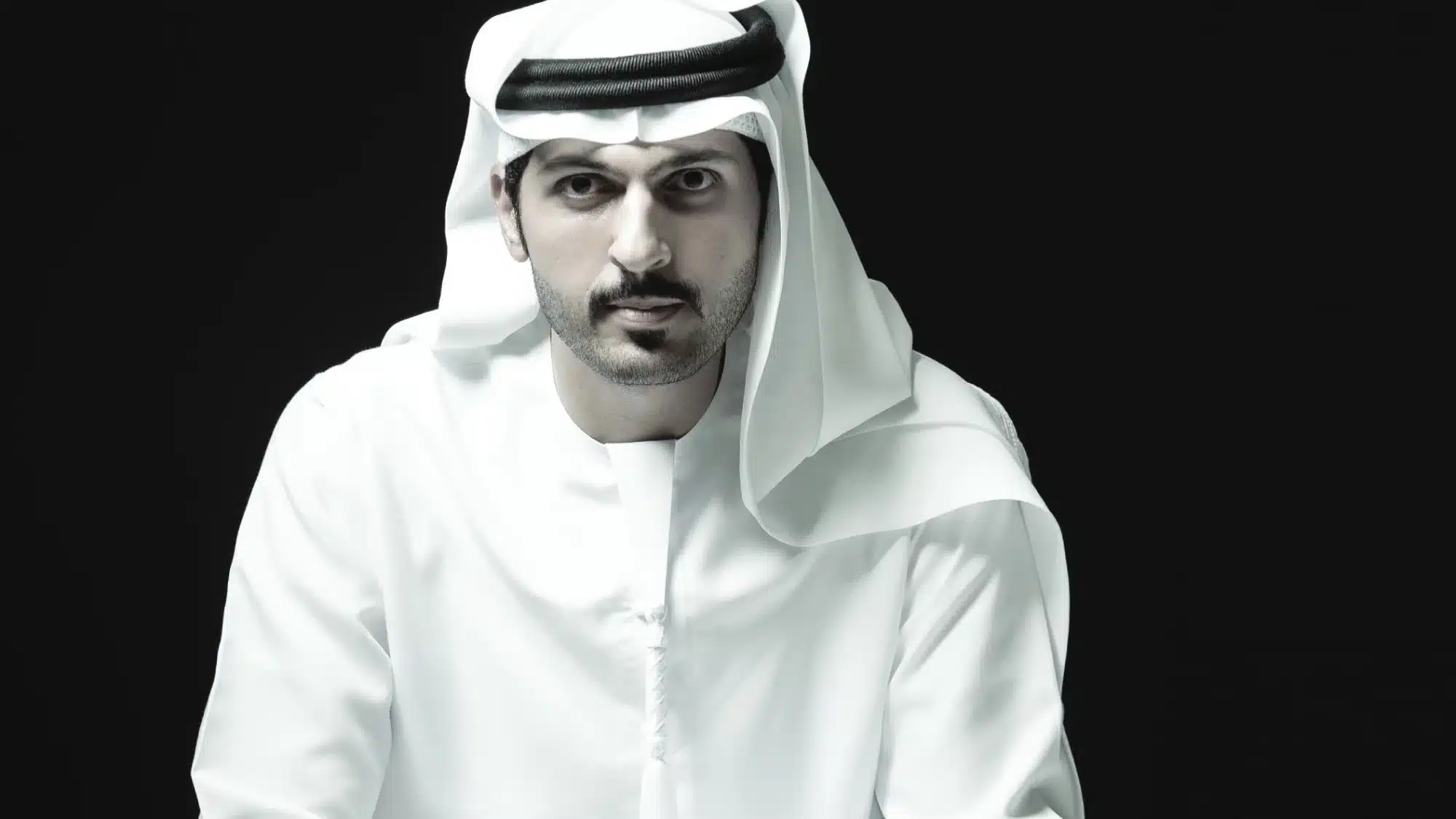
In the bustling skyline of Dubai, where architectural marvels continually emerge, Muhammad Binghatti is recognized as a transformative figure in real estate. As the CEO and chief architect of Binghatti Holding, he has redefined the connection between design and branding in the industry. His innovative approach treats buildings as branded entities, making him one of the most notable developers in the city. Binghatti’s focus on creating visually striking structures is not just about aesthetics; it’s about establishing a unique identity in a competitive market.
Inheriting a Business, Rewriting Its Language
Muhammad Binghatti took the reins of the family business in 2014, shortly after obtaining his architectural degree from the American University of Sharjah. His father, Hussain Binghatti Aljbori, founded the company in 2008, transforming it from humble beginnings into a diversified holding group, covering various sectors like real estate and construction. Upon taking charge, Muhammad recognized the need to shift the company’s identity. Instead of simply expanding the business, he aimed to integrate design into the core strategy.
Binghatti’s approach sets him apart in an industry often led by financiers and contractors. He has blurred the traditional lines between developer and designer, allowing him to influence directly the conceptual identity and architectural style of each project. This strategy positions him as a creative director with financial authority, enabling him to create buildings that serve as both functional spaces and powerful brand statements. He views buildings as billboards, making traditional marketing methods unnecessary.
Architecture as Product
Binghatti’s architectural style features a distinctive visual language, characterized by repetitive geometric balconies and bold cantilevers. He refers to this design philosophy as “kinetic architecture,” creating a cohesive aesthetic that makes his buildings easily recognizable within Dubai’s dense urban environment. By drawing inspiration from consumer branding, he has shifted the perception of real estate, merging art and architecture in a way that resonates with potential buyers.
He likens his branding strategy to that of luxury brands, highlighting the significance of design in making a lasting impression. Just like a luxury car or handbag, Binghatti aims for his buildings to evoke a similar sense of identity. This innovative approach has captured attention, and Muhammad Binghatti has often been referred to as a “rockstar architect.” His designs not only attract buyers but also thrive on social media, increasing their visibility in a crowded market.
Branded Residences and Record Sales
Binghatti’s branding strategy has achieved new heights through collaborations with renowned luxury brands. Projects such as the Burj Binghatti Jacob & Co. Residences and Bugatti Residences have redefined branded real estate in the Middle East. These developments go beyond mere logo placement; they embody the essence of the brands they represent, creating a seamless lifestyle experience for residents.
Recently, Binghatti garnered headlines by selling the most expensive penthouse in Dubai, valued at AED 550 million (approximately USD 150 million). This sale not only set a new regional record but also showcased the effectiveness of Binghatti’s branding strategy. The company has seen significant growth, boasting a portfolio with over 12,000 residential units and a total investment value exceeding AED 70 billion (around USD 19 billion). Demand for Binghatti’s properties continues to rise, with a substantial number of buyers being international investors.
Scale, Numbers, and the Business Beneath the Aesthetics
By 2025, Binghatti Holding will have an impressive portfolio of over 80 projects across Dubai, with plans for further expansion. The company has reported remarkable financial growth, including a 145% year-on-year increase in net profit for the first nine months of 2025. Revenue has nearly tripled, driven by strong off-plan sales and early handovers. This success highlights the brand’s allure, particularly among non-resident investors.
While estimates of Muhammad Binghatti’s personal net worth vary, credible sources suggest the value of the Binghatti property portfolio is approximately USD 10.8–10.9 billion. The intricacies of private real estate ownership make it challenging to separate personal wealth from corporate valuation. However, it is clear that Binghatti holds significant influence in the industry, merging design authority with financial expertise. His vision for the future includes innovative concepts like smart buildings integrating artificial intelligence, further solidifying his leadership position in Dubai’s evolving skyline.
Disclaimer: Digihunt is not a financial advisor and this is not investment advice.