Key Insights on the SHANTI Bill 2025: What the New Nuclear Energy Law Means for India

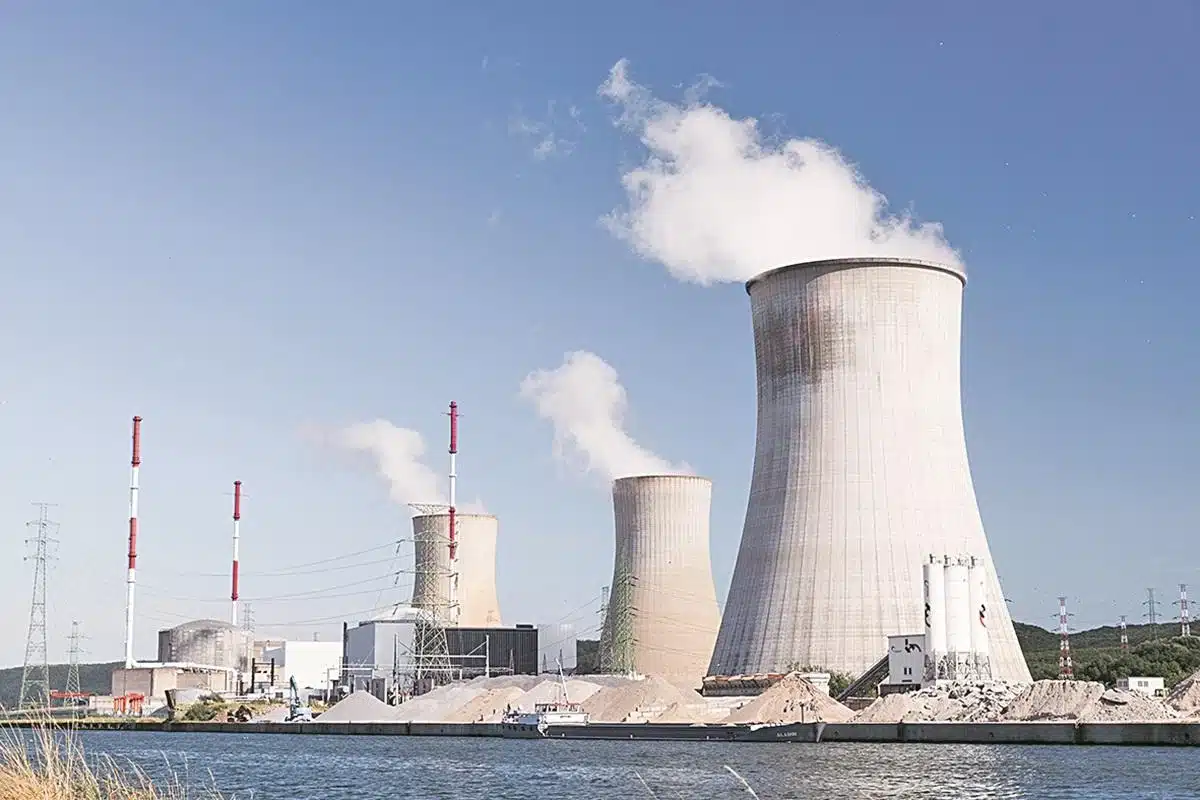
The Lok Sabha has cleared the Sustainable Harnessing and Advancement of Nuclear Energy for Transforming India Bill (SHANTI), 2025, signifying a crucial shift in India’s civil nuclear framework. The bill was introduced by Minister of State for Atomic Energy Jitendra Singh and was passed via a voice vote during the ongoing Winter Session, despite opposition members walking out. Notably, this legislation marks the first instance of private sector involvement in the nuclear energy sector, aimed at modernizing India’s nuclear policies while ensuring that safety and regulatory measures are upheld.
Key Objectives of the SHANTI Bill
The SHANTI Bill is designed to promote the growth of nuclear energy in India, aligning with the ambitious target of achieving 100 GW of nuclear power capacity by 2047. It seeks to expand nuclear energy usage across various sectors, ensuring its applications reflect contemporary technological and economic realities. The bill aims to fortify safety measures and regulatory oversight throughout the nuclear lifecycle, covering not only the construction and operation of nuclear facilities but also the transport, storage, and decommissioning of nuclear materials.
Private Sector Involvement
A significant development within the SHANTI Bill is the introduction of private sector involvement in civil nuclear operations, which were previously restricted to government entities. The legislation permits private companies and joint ventures to acquire authorization for establishing and operating nuclear facilities and transporting nuclear fuel. However, the government has clarified that sensitive operations, such as uranium enrichment and spent fuel handling, will remain under the exclusive control of the Central government, ensuring critical safety standards are maintained while encouraging private investment in the nuclear sector.
Enhanced Regulatory Framework
The bill also aims to bolster the regulatory framework governing nuclear energy in India. The Atomic Energy Regulatory Board (AERB) will be given statutory status, enhancing its authority to inspect facilities, investigate incidents, and issue binding directives. This change is anticipated to improve accountability and safety within the nuclear sector. Additionally, the bill introduces a clear licensing regime that specifies who can construct and operate nuclear facilities, thereby strengthening regulatory oversight. Safety measures will be legally mandated throughout the lifecycle of nuclear operations, ensuring explicit safety authorizations for activities involving radiation exposure.
Modifications to Nuclear Liability Provisions
A notable feature of the SHANTI Bill is the amendment of nuclear liability provisions intended to encourage investment while reducing risks. The legislation removes the clause holding suppliers of nuclear equipment liable, which is expected to boost investment in the sector. Minister Jitendra Singh highlighted that the bill sets up a pragmatic civil liability regime for nuclear damage, guaranteeing that victims receive full compensation through a multi-layered mechanism. Operator liability has been rationalized with graded caps tied to reactor size, promoting the adoption of new technologies, such as small modular reactors, while maintaining enforceable provisions for negligence and penalties under the law.
Digihunt is not a financial advisor and this is not investment advice.