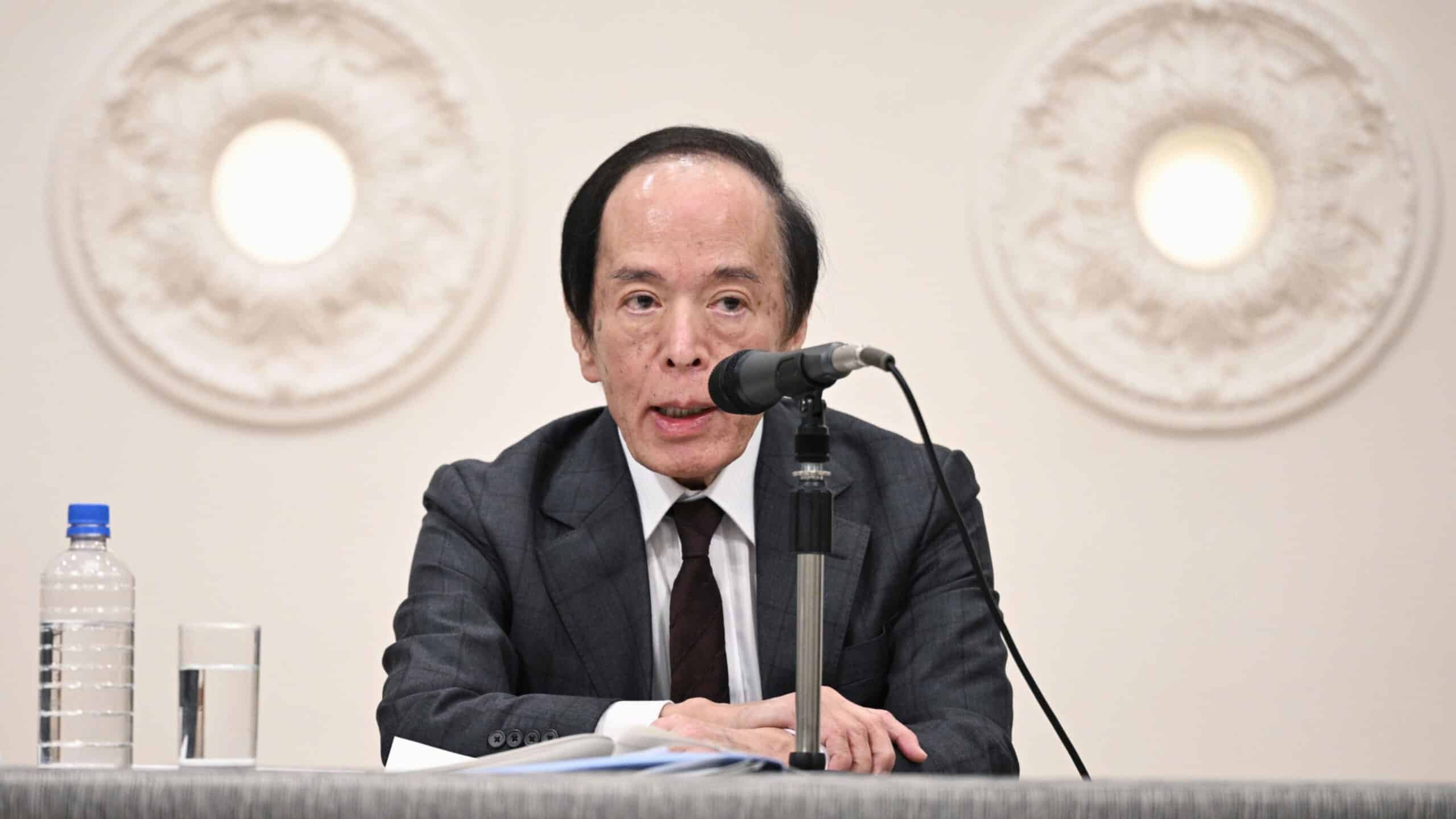
The Bank of Japan has raised interest rates to a 30-year high of 0.75 percent, marking its first increase since January. This decision reflects improvements in the economy, despite ongoing inflation concerns. The unanimous vote to elevate the main borrowing rate from 0.5 percent follows the release of data indicating that Japan’s core inflation rate remains steady but significantly above the central bank’s target. Following the announcement, the yen slightly declined against the dollar.
Economic Recovery and Inflation Trends
Bank officials highlighted that Japan’s economy has shown moderate recovery, though uncertainties surrounding the U.S. economy and trade policies persist. However, these uncertainties have reportedly diminished. The core consumer price index, excluding volatile fresh food prices, remained at three percent in November, consistent with the previous month and aligned with market expectations. This figure notably exceeds the Bank of Japan’s two percent inflation target, a trend that has continued for some time.
The recent interest rate hike is a response to ongoing inflationary pressures, particularly as essential goods like rice have seen price surges. The internal affairs ministry reported a staggering 37 percent year-on-year increase in rice prices, attributed to supply chain issues stemming from a hot summer in 2023 and panic-buying following a significant earthquake warning last year.
Government Spending and Monetary Policy
Prime Minister Sanae Takaichi, who took office in October, has made combating inflation a priority. Her government recently secured parliamentary approval for an additional budget of 18.3 trillion yen (approximately $118 billion) aimed at financing a substantial stimulus package. Takaichi has long pushed for increased government spending and a loose monetary policy to stimulate economic growth. However, she has emphasized that decisions regarding monetary policy should remain with the Bank of Japan.
The central bank began raising rates from below zero in March of the previous year, signaling an end to Japan’s prolonged period of economic stagnation. The latest increase brings rates to their highest level since 1995. Despite positive economic indicators, concerns about the global economic outlook and the impact of U.S. tariffs have prompted a cautious approach from the Bank of Japan.
Market Reactions and Future Outlook
In the aftermath of the interest rate hike, yields on Japanese government bonds have risen, reflecting market concerns about the government’s fiscal discipline under Prime Minister Takaichi. The yen’s slight depreciation against the dollar indicates market reactions to the central bank’s decision.
Despite a contraction of 0.6 percent in Japan’s economy during the third quarter, Bank of Japan Governor Kazuo Ueda expressed optimism about the economic outlook. He noted that the impact of U.S. tariffs has been less severe than initially feared, as American corporations have absorbed the costs without fully passing them on to consumers. This insight suggests a cautious but hopeful perspective on Japan’s economic recovery as the nation navigates complex global economic challenges.
Digihunt is not a financial advisor and this is not investment advice.