IndiGo Flight Cancellations Spark Government’s Airfare Cap: What You Need to Know!

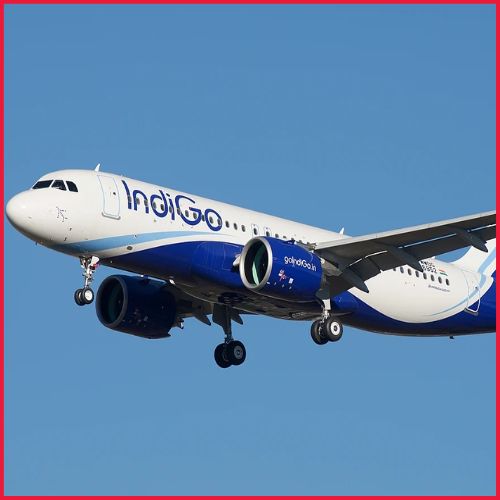
India’s aviation sector is currently facing significant challenges. What began as operational issues at IndiGo, the country’s largest airline, has escalated into a broader crisis affecting the entire industry. In response, the government has stepped in to implement fare caps for the first time since the pandemic, while Air India has also set limits on economy class pricing. This situation has sparked critical discussions about the functioning of the aviation market and the protection of passengers.
### The IndiGo Crisis
The turmoil started recently when IndiGo began cancelling flights in large numbers. On one day alone, over 1,000 flights were cancelled, which was more than half of their scheduled operations. Passengers were left stranded at various airports, leading to chaotic scenes in Delhi, Mumbai, and Bengaluru. While IndiGo cited operational reasons, the scale of cancellations indicates deeper issues.
For countless travelers, the immediate concern became finding alternative flights. Since IndiGo controls more than 60 percent of India’s domestic market, its abrupt withdrawal created a significant gap. Other airlines, witnessing an influx of desperate customers, had their booking systems automatically increase prices. Last-minute fares on popular routes skyrocketed, with a Delhi-Bengaluru flight usually priced around ₹7,000 being sold for ₹40,000. Some routes experienced prices soaring seven or eight times their standard rates.
### Government Intervention
Observing this situation, the Ministry of Civil Aviation decided to take action. On Saturday, they directed all airlines to adhere to specific fare limits. In their official statement, the ministry emphasized the need to protect passengers from exploitative pricing, and these caps will remain in place until the situation stabilizes.
Additionally, the ministry has targeted IndiGo directly, requiring the airline to process all refunds for cancelled flights by Sunday evening and to refrain from charging fees for rescheduling affected passengers. IndiGo must establish special support teams to assist impacted travelers, with immediate regulatory action promised for any delays.
### Air India’s Proactive Approach
Air India, in a preemptive move, stated that it had been keeping economy class fares low on all its non-stop domestic flights since December 4. The airline clarified that higher fares observed online were for connecting flights or mixed cabin bookings not covered by their fare limits. This proactive strategy allowed Air India to avoid the backlash faced by other carriers.
### Sector-Wide Implications
This situation has underscored the vulnerability of India’s aviation market. With IndiGo and Air India collectively controlling over 90 percent of the market, there exists a significant concentration risk. The stumble of the largest player affects the entire sector. Although the government’s intervention is essential for consumer protection, it raises challenging questions about regulatory practices.
The fare caps now lead to lost revenue for airlines during a peak demand period. The impact is felt across various groups:
– Airlines miss out on premium pricing opportunities.
– Passengers gain from capped fares but have fewer choices.
– Travel agents face frustrations from customers and complex rebooking processes.
– The tourism sector suffers from unpredictability and increased expenses.
– Business travelers encounter disrupted schedules and higher overall costs.
The broader economic implications are significant as air travel has become a vital component of business and tourism in India. When the aviation system falters, it affects more than just holidaymakers, disrupting supply chains, delaying important meetings, and creating uncertainty in an economy reliant on stable air connections.
### Future Considerations for Aviation
In the near term, the priority is to restore normalcy and ensure that passengers are not unfairly charged. Beyond this immediate crisis, policymakers must consider deeper regulatory issues. Should India rethink its approach to setting airfares? The fare bands introduced during the pandemic effectively curbed unfair pricing, and a permanent system for capping fares during emergencies may be worth exploring.
The industry must also enhance its resilience. IndiGo’s significant market power comes with systemic risks; when it falters, the entire sector suffers. Airlines need robust backup plans, and regulators should implement stronger oversight.
For passengers, this week has highlighted that market forces do not always work in their favor. The government’s intervention was timely, but such a significant crisis should not have been necessary to prompt action. The challenge ahead is to ensure that the lessons learned foster a more competitive aviation sector that prioritizes passenger interests.
While the fare caps are temporary, the critical questions they raise regarding market dominance, consumer protection, and regulatory oversight are likely to persist long after normal flight operations resume.