India’s Daily Oil Imports from Russia Exceed 1 Million Barrels Amid Sanctions

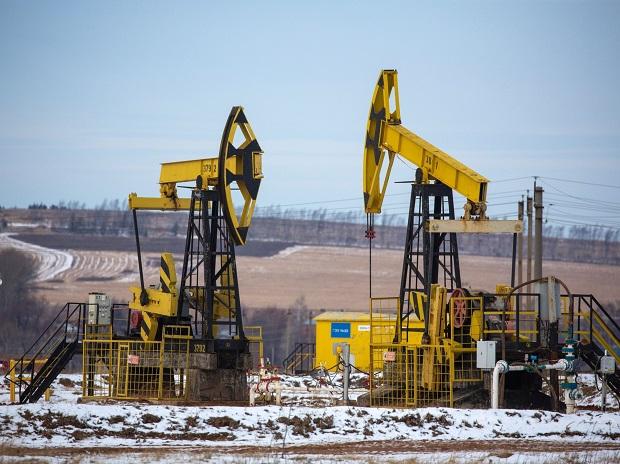
India’s crude oil imports from Russia are poised to exceed 1 million barrels per day this December, contrary to projections of a significant decline following former President Donald Trump’s sanctions on major Russian oil firms. Despite these sanctions, Indian refiners are continuing to buy oil from non-sanctioned entities, taking advantage of substantial discounts. This ongoing trade highlights the robust bilateral relationship between India and Russia amidst escalating Western pressure.
Robust Trade Despite Sanctions
Recent data shows that India, the world’s third-largest crude oil importer, received an impressive 1.77 million barrels per day (bpd) of Russian oil in November, reflecting a 3.4% rise from October. Analysts had expected a decrease in imports due to sanctions aimed at Russian producers like Lukoil and Rosneft, but initial reports indicate that December deliveries could exceed 1.2 million bpd. Some trading sources even predict that the average might reach as high as 1.5 million bpd by the month’s end. This increase is largely attributed to buyers completing their transactions before the November 21 deadline set by Washington for deals involving sanctioned companies. Recent shipments have been confirmed at Indian ports, illustrating the ongoing demand for Russian crude.
Future Import Trends
Looking ahead, trade sources suggest that import levels may stay consistent with December figures in January, as new entities not impacted by sanctions begin supplying Russian oil. Indian refiners are finding January prices appealing, with discounts of about $6 per barrel compared to dated Brent prices, which are significantly higher than those available in August. However, January volumes are expected to dip below 1 million bpd, especially since Reliance Industries has halted its purchases. Nonetheless, LSEG data indicates that Reliance is scheduled to receive at least ten Russian oil cargoes this month.
State-owned refiners are maintaining their Russian oil purchases at pre-sanction levels. Bharat Petroleum has increased its January acquisitions to at least six cargoes from two in December, while Hindustan Petroleum is negotiating its January loadings. Conversely, private refiner Nayara Energy, which has majority Russian ownership, continues to depend solely on Russian oil after other suppliers withdrew due to EU and UK sanctions.
Impact of Sanctions on Russian Oil Supply
India has become a key seaborne crude buyer for Russia in the wake of Western sanctions over the Ukraine conflict. However, these transactions have complicated trade discussions with the United States, particularly after President Trump elevated import tariffs on Indian products to 50%. A U.S. official stated that Trump’s leadership has pressured Russia to accept deep discounts and limited buyers for its oil, consequently reducing Kremlin revenues and increasing financial stress amid ongoing military operations.
To navigate these sanctions, Russian producers are utilizing domestic market swaps, which involve exchanging oil meant for local refineries with export volumes managed by non-sanctioned firms. This strategy enables Russia to sustain oil flows to India while complying with international sanctions. According to Prashant Vashisth, vice president at Moody’s affiliate ICRA, there is potential for non-sanctioned entities to increase crude output and redirect supplies to export markets while sanctioned barrels can still meet local demand in Russia.
Digihunt is not a financial advisor and this is not investment advice.