Indian Railways Pushes for Shift from Diesel Engines to Alternative Fuels like Hydrogen

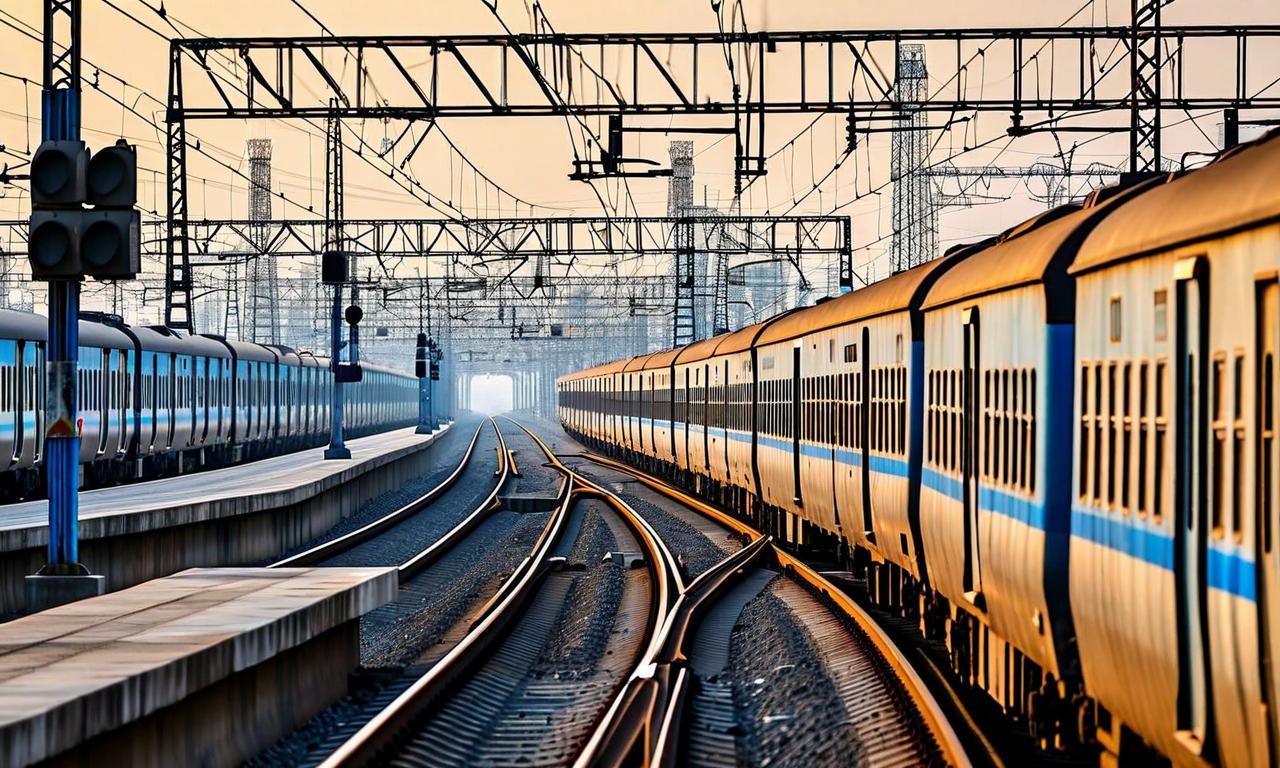
India is making remarkable progress in modernizing its railway system by enhancing the use of battery and alternative fuel-powered train engines. This initiative coincides with the nearing completion of its electrification project, with only 405 route kilometers remaining to electrify out of a total of 70,117. The current focus is on phasing out approximately 2,500 diesel locomotives, primarily utilized for short and medium-distance routes. Officials have stated that these diesel engines will either be retrofitted or replaced with cleaner alternatives to minimize environmental impact.
Transitioning from Diesel to Cleaner Alternatives
The Indian Railways is prioritizing the replacement of diesel locomotives, specifically those employed in yard operations, shunting services, and last-mile freight connectivity. Diesel remains dominant in these areas due to sections of the rail network that are not fully electrified or feature intermittent electrification. While overhead electric traction will persist as the backbone of railway operations, the introduction of battery-powered and alternative fuel solutions is being investigated for specific operational requirements where total electrification is not viable. This dual strategy aims to enhance operational efficiency while reducing carbon emissions.
Innovations in Propulsion Technology
Advancements in cleaner propulsion systems are already visible. In September 2022, Concord Control Systems successfully retrofitted a 700-horsepower diesel locomotive to operate on a lithium ferro phosphate (LFP) battery. Recently, the company announced its plans to develop the world’s largest hydrogen-fueled locomotive propulsion system, boasting 3,100 horsepower. This innovative locomotive is being designed for NTPC, a public sector utility, to transport coal to its power plants. Besides that, the Indian Railways is actively testing hydrogen-powered train technology, including the world’s longest hydrogen train set that includes ten coaches with a capacity of 2,400 kW on a broad-gauge platform.
Ongoing Pilot Projects and Future Plans
The Indian Railways has been experimenting with battery technologies for around six years. Chittaranjan Locomotive Works (CLW) has been assigned the task of constructing ten battery-powered locomotives, while Eastern Railway’s Kanchrapara workshop has converted a motor coach into a battery-cum-25 kV shunting engine. This engine is capable of pulling both freight and passenger trains at low speeds on battery power. Currently, Indian Railways continues to rely significantly on diesel locomotives for long-haul freight services, although most long-distance passenger trains have shifted to electric traction powered by overhead lines.
International Collaborations and Future Deliveries
In a significant step towards cleaner freight operations, Siemens, a German company, was awarded a substantial contract worth Rs 26,000 crore in December 2022. This contract involves the supply and maintenance of 1,200 electric freight locomotives. The first batch of these advanced engines is expected to be delivered by May 2025. This collaboration highlights India’s commitment to modernizing its railway infrastructure and reducing its carbon footprint through innovative technology and international partnerships.
Digihunt is not a financial advisor and this is not investment advice.