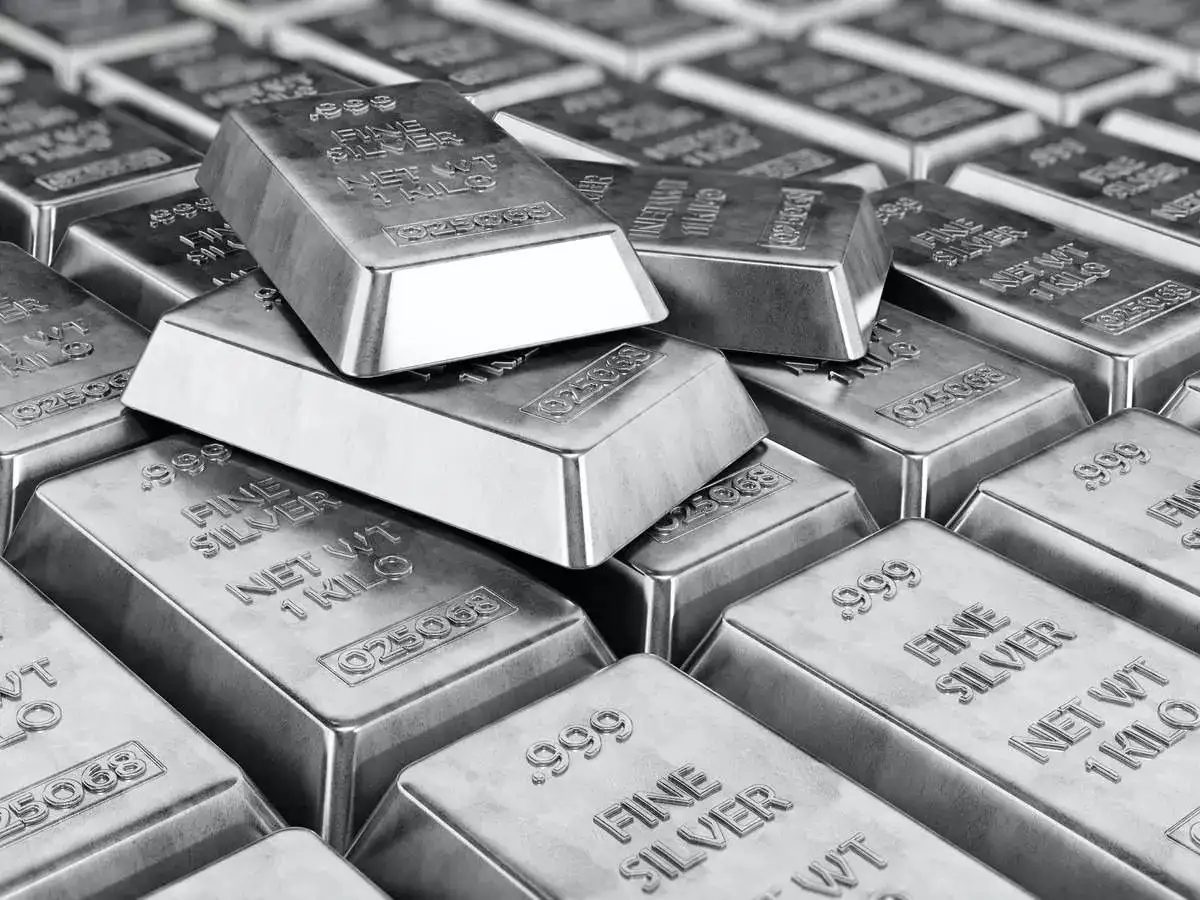
Silver imports in India have seen a remarkable surge in 2025, indicating the metal’s increasing strategic importance amid rising industrial demand and geopolitical tensions. A report by the Global Trade Research Initiative (GTRI) reveals that India has emerged as the world’s largest importer of refined silver, with imports reaching $9.2 billion—an impressive 44% increase from the previous year. This growth occurred despite a significant rise in silver prices, which almost tripled in rupee terms over the past year, underscoring silver’s growing role across various sectors.
Rising Demand and Price Surge
The GTRI report indicates that the spike in silver imports is fueled by a combination of safe-haven buying due to geopolitical uncertainties and a structural shift in global demand. More than half of global silver consumption is now linked to industrial uses such as electronics, solar power, electric vehicles, defense equipment, and medical technologies. Notably, solar power alone accounts for approximately 15% of the total global demand for silver. In India, silver prices surged from around Rs 80,000–85,000 per kg in early 2025 to over Rs 2.43 lakh per kg by January 2026, reflecting the increased demand and supply constraints in the market.
Global Supply Challenges
Despite the rising demand, the supply of silver has failed to keep up, leading to persistent annual deficits of 200–250 million ounces. The GTRI report highlights that global trade in refined silver has expanded nearly eight-fold since 2000, transforming silver from a traditional precious commodity into a vital industrial input. However, stagnant mine output has intensified the supply challenges. Furthermore, China’s recent implementation of a license-based silver export system, effective January 1, has raised concerns about potential disruptions in global supply chains, which may further tighten the market.
India’s Import Dependence
India’s heavy reliance on imported silver is evident, with the country importing over one-fifth of the global refined silver trade in 2024, valued at around $6.4 billion. In stark contrast, India’s exports of silver products were less than $500 million, highlighting its dependence on foreign sources. The GTRI stresses the importance of reassessing India’s approach to silver, advocating for its recognition as a critical industrial and energy-transition metal rather than merely a precious commodity. Such a shift in perception could pave the way for strategic partnerships in overseas mining and the development of domestic refining and recycling capabilities.
Strategic Recommendations for India
To tackle the challenges posed by its import reliance, the GTRI recommends that India integrate silver into its minerals and clean-energy strategy. This includes securing long-term supply through international partnerships and diversifying import sources beyond just a few trading hubs. As the global landscape becomes increasingly fragmented, the significance of securing silver has become comparable to that of securing energy resources. GTRI founder Ajay Srivastava emphasizes that India’s policy framework must adapt to reflect this critical shift in global market dynamics, ensuring a stable and sustainable supply of silver for the future.
Digihunt is not a financial advisor and this is not investment advice.