India-EU Free Trade Agreement Nears Finalization: Understanding Benefits Amid Trump’s Tariff Concerns

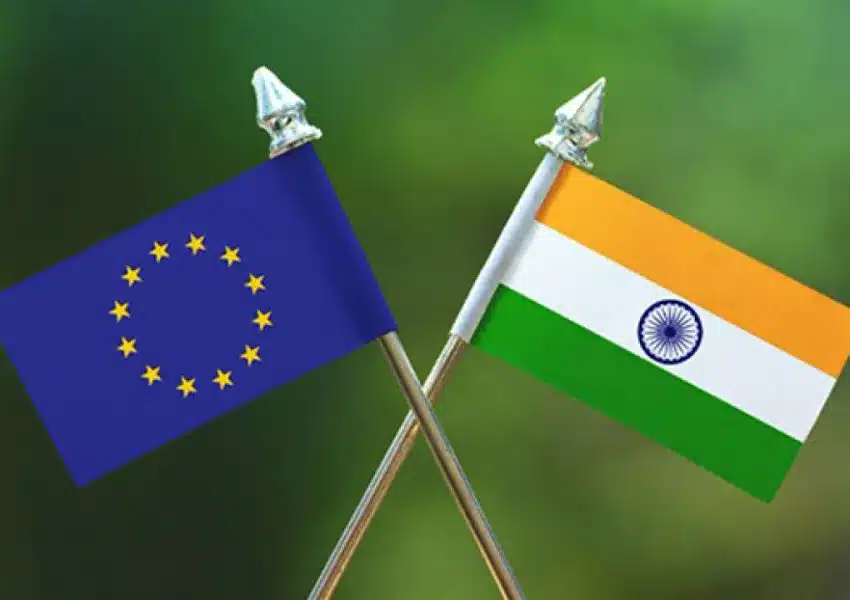
In a significant development for international trade, India and the European Union are set to finalize a long-awaited free trade agreement (FTA) that has nearly two decades in the making. Commerce Minister Piyush Goyal has referred to this potential deal as the “mother of all deals,” emphasizing its importance. The formal signing is expected around January 26-27, coinciding with the visit of senior EU leaders to India, and will likely be announced during the 16th India-EU Summit in New Delhi. This agreement, now officially termed the India-EU Free Trade Agreement, replaces the earlier Broad-based Trade and Investment Agreement label used since negotiations began in 2007.
India-EU Trade Dynamics
If successfully concluded, the India-EU FTA would mark India’s ninth trade agreement in the last four years, contributing to a growing list that includes partnerships with countries such as Mauritius, the UAE, Australia, and the UK. This proposed agreement is notable not only for its scale but also for its regulatory breadth, offering preferential access to all 27 EU member states through a unified framework. The EU, with a GDP estimated between €18-22 trillion and a market of approximately 450 million high-income consumers, presents a lucrative opportunity for India.
Negotiations have reached this advanced stage due to shifting geopolitical dynamics, prompting both parties to adopt a more pragmatic approach rather than merely resolving long-standing differences. The timing of the agreement is particularly significant given the ongoing trade tensions initiated by the United States, leading to increased tariffs affecting both India and the EU. In the fiscal year 2025, India exported goods worth about $76 billion to the EU while importing roughly $61 billion, resulting in a trade surplus. However, the EU’s withdrawal of the Generalised System of Preferences in 2023 has reduced the competitiveness of several Indian exports, making the FTA increasingly critical.
What’s in it for India?
Once finalized, the India-EU FTA would become India’s largest free trade agreement in terms of both economic scale and regulatory coverage. It is expected to provide Indian exporters with enhanced access to the European market, especially in sectors like textiles, pharmaceuticals, and machinery, which currently face higher tariffs. The average EU tariff on Indian goods stands at approximately 3.8 percent, but labor-intensive sectors like textiles and apparel still contend with duties close to 10 percent.
Eliminating these tariffs could result in significant export gains for India. The FTA would not only restore lost market access but also lower tariffs on key exports, assisting Indian firms in navigating the challenges posed by rising U.S. tariffs. Additionally, the agreement would facilitate expanded market access in services, particularly in IT and other skill-driven sectors, allowing India to leverage its vast talent pool and reduce dependency on the U.S. market.
Negotiations have been intricate, with the EU advocating for the elimination of tariffs on over 95% of imports. India is prepared to approach 90%, with exclusions for agriculture and dairy, while also seeking improved access for labor-intensive exports facing higher tariffs than those from competing nations. The negotiations cover a wide array of issues, including services, where India is resisting EU demands for local presence and high salary thresholds.
How will the European Union Benefit?
For the European Union, a trade agreement with India offers access to a rapidly growing market that is increasingly vital for sustained economic growth. With an economy valued at around $4.2 trillion and a population of 1.4 billion, India presents a significant opportunity for European exporters. Currently, European exports to India face substantial barriers, with an average tariff of approximately 9.3 percent on shipments valued at $60.7 billion. Certain sectors, like automobiles and pharmaceuticals, encounter even steeper duties, which can impede market entry for EU firms.
Lowering these barriers through the FTA would create significant opportunities for European exporters in high-value sectors such as machinery, aircraft, and chemicals. Moreover, the agreement would enhance access to services, public procurement, and investment, aligning with the EU’s strategic goal of diversifying supply chains and reducing reliance on China. Strengthening economic ties with India is seen as a crucial step in establishing a long-term foothold in one of Asia’s fastest-growing economies.
Digihunt is not a financial advisor and this is not investment advice.