India Aims for Export Growth in Russia with 300 Key Products and Sector Opportunities

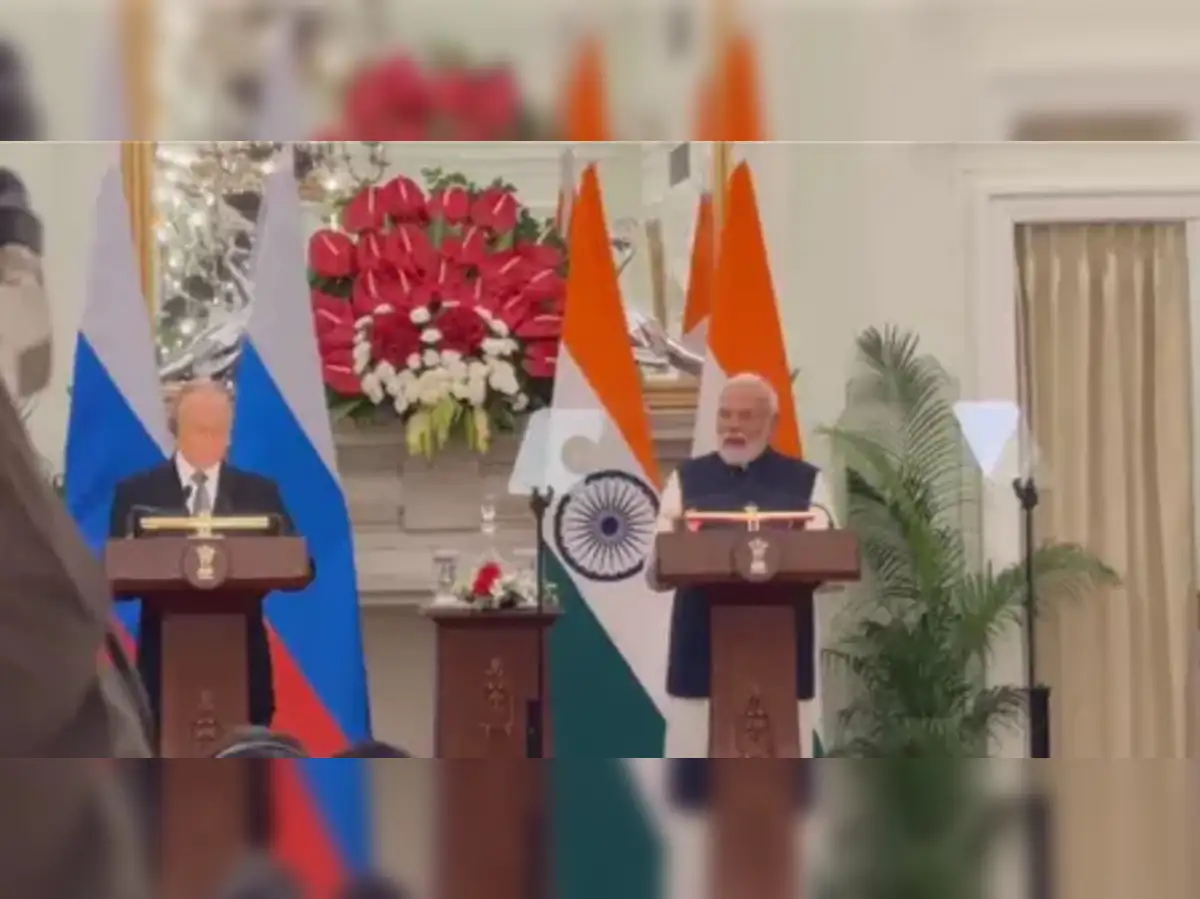
India is set to significantly expand its export presence in Russia, with nearly 300 products identified across sectors such as engineering goods, pharmaceuticals, agriculture, and chemicals. This initiative is part of an ambitious goal to achieve a bilateral trade target of $100 billion by 2030. Currently, India’s exports to Russia are only $1.7 billion, a stark contrast to Russia’s total imports in these categories, which stand at $37.4 billion. This difference highlights the substantial potential for Indian exporters to bridge the gap and reduce the prevailing trade deficit with Russia, currently at $59 billion.
Identifying Opportunities for Export Growth
The Indian commerce ministry has conducted a thorough analysis to pinpoint high-potential products for export to Russia. By aligning India’s supply strengths with Russia’s import needs, the ministry has identified engineering goods, pharmaceuticals, chemicals, and agricultural products as critical growth areas. Despite holding approximately 2.3% of Russia’s overall import market, the identified products offer a significant opportunity for Indian exporters to increase their market share. Officials emphasize that boosting shipments in these sectors could help considerably narrow the trade deficit and enhance India’s economic ties with Russia.
Current Trade Dynamics and Import Trends
India’s imports from Russia have increased sharply, rising from $5.94 billion in 2020 to an estimated $64.24 billion in 2024. This surge is primarily driven by a leap in crude oil imports, which escalated from $2 billion to $57 billion during the same timeframe. Crude oil now accounts for nearly 21% of India’s total crude imports from Russia, underscoring Moscow’s pivotal role as a supplier. Besides oil, India imports substantial quantities of fertilizers and vegetable oils from Russia, reflecting the growing interdependence between the two nations, especially in the energy sector.
Export Potential Across Various Sectors
The analysis suggests that agriculture and related products offer strong export potential for India, with current exports valued at $452 million against Russia’s global import demand of $3.9 billion. The engineering sector presents an even clearer opportunity, with India’s exports at just $90 million, while Russia’s import needs stand at $2.7 billion. This gap is anticipated to widen as Russia seeks to diversify its trade relationships beyond China. Likewise, the chemicals and plastics sector shows a significant imbalance, with India supplying $135 million compared to Russia’s $2.06 billion in imports.
Pharmaceuticals present a particularly fruitful opportunity, with India currently exporting $546 million worth of products to Russia, while Russia’s total pharmaceutical import expenditure reaches $9.7 billion. This indicates a considerable market for Indian generics and active pharmaceutical ingredients (APIs) in Russia.
Expanding Beyond High-Value Sectors
Beyond high-value sectors, India has substantial potential to grow its exports in labor-intensive industries such as textiles, apparel, leather goods, handicrafts, processed foods, and light engineering. These sectors capitalize on India’s competitive advantages and Russia’s vast consumer base. Electronics and textiles currently hold less than 1% market share in Russia, despite facing considerable demand. Strengthening distribution channels could enable Indian exporters to effectively tap into this market, further improving bilateral trade relations. The Indian government’s proactive approach in identifying these opportunities is expected to facilitate a more robust economic partnership between India and Russia in the years to come.
Digihunt is not a financial advisor and this is not investment advice.