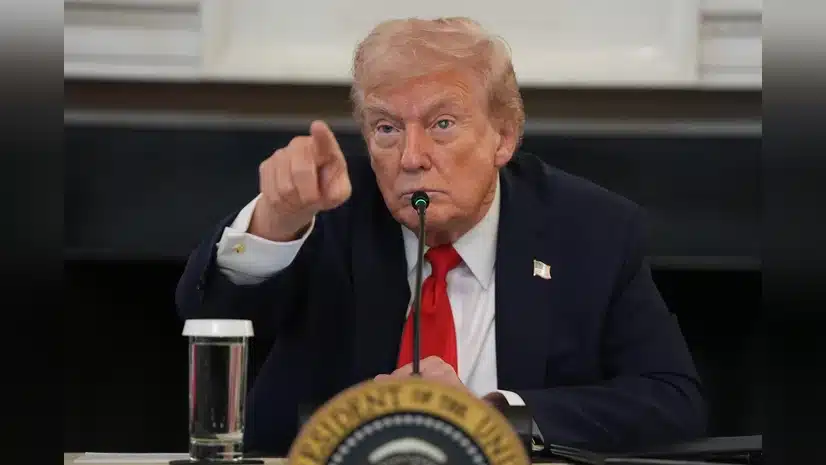
US President Donald Trump’s proposed $100,000 fee for new H-1B visa applicants is poised to have a significant impact on the Indian IT sector, particularly affecting major firms like Tata Consultancy Services (TCS) and Infosys. A recent analysis indicates that this fee could impose substantial financial burdens on companies reliant on H-1B workers. The proposed changes are part of a larger crackdown on immigration policies, which could reshape the employment landscape for skilled foreign workers in the United States.
Impact on Major IT Firms
The proposed fee is expected to heavily impact Indian IT giants, with TCS, Infosys, and Cognizant Technology Solutions bearing the brunt of these financial implications. According to the analysis, around 90% of new H-1B appointments for these companies between May 2020 and May 2024 were approved at US consulates. If the $100,000 fee had been in effect during this period, TCS would have incurred costs for approximately 6,500 workers, affecting 82% of their newly approved H-1B staff. Similarly, Infosys would have faced fees for over 10,400 workers, representing more than 93% of their new H-1B appointments, potentially leading to visa charges exceeding one billion dollars. Cognizant would have been responsible for fees related to more than 5,600 employees, comprising 89% of their new H-1B recruits. This financial strain may compel these firms to rethink their hiring strategies and operational models.
Future of H-1B Visa Applications
Despite potential legal challenges regarding the implementation of the new fee, industry analysts forecast a notable decline in H-1B visa applications and an increase in the deployment of overseas staff. Immigration attorney Jonathan Wasden, representing numerous IT employers, highlighted that the concern over losing exceptional talent to overseas markets is already influencing hiring practices. While some organizations believe the immediate impact of the fee will be minimal, others are proactively adjusting their recruitment strategies. For instance, Cognizant has significantly reduced its reliance on visas, utilizing them only for select technology roles that complement their US workforce.
The Biden administration’s Department of Homeland Security has identified manipulation of the H-1B lottery system by IT consultancies, leading to modifications in the lottery process. The newly proposed fee aims to provide more certainty for American companies seeking skilled workers while preventing organizations from exploiting the system to drive down wages. Legal challenges from the US Chamber of Commerce and various states are currently underway, with a forthcoming hearing set to address the validity of the fee.
Shifts in Recruitment Strategies
As companies prepare for the potential effects of the new fee, many are revising their recruitment strategies. The IT consultancy sector has already seen a reduction in new H-1B applications since 2024, and the fee increase is expected to accelerate offshore recruitment. Steve Hall, chief AI officer at Information Services Group Inc., anticipates that corporate investment in India, a primary source of H-1B workers, will rise over the next five years. This shift underscores the necessity for companies to adapt to the changing landscape of skilled labor.
Infosys has stated that it will continue to deliver client services without disruption, despite the changing sponsorship requirements for US staff. Similarly, IBM Corp., which recruited 88% of its H-1B workers from international sources, is modifying its skilled immigration strategy. The increased fee is viewed as a necessary adjustment, though employers are expected to find ways to navigate the new environment. Analysts believe the upcoming H-1B lottery will serve as an initial indicator of the measure’s effectiveness, particularly concerning the skill and wage levels of applicants.
Long-Term Implications for the H-1B Program
The proposed $100,000 fee, along with changes to the lottery process, is likely to reshape the behaviors of organizations participating in the H-1B program. A forecast from a legal technology startup suggests that these added expenses could lead to a 30% to 50% reduction in next year’s lottery entries. Companies will need to carefully assess both the financial implications of the fee and the chances of candidates under the revised selection process. Measures introduced by the Trump administration are creating a new set of incentives that will influence market behavior regarding the H-1B lottery, potentially leading to a more competitive environment for skilled foreign workers seeking employment in the United States.
Digihunt is not a financial advisor and this is not investment advice.