GTRI Highlights Key Concerns About India’s Role in Trump’s $1 Billion ‘Board of Peace’

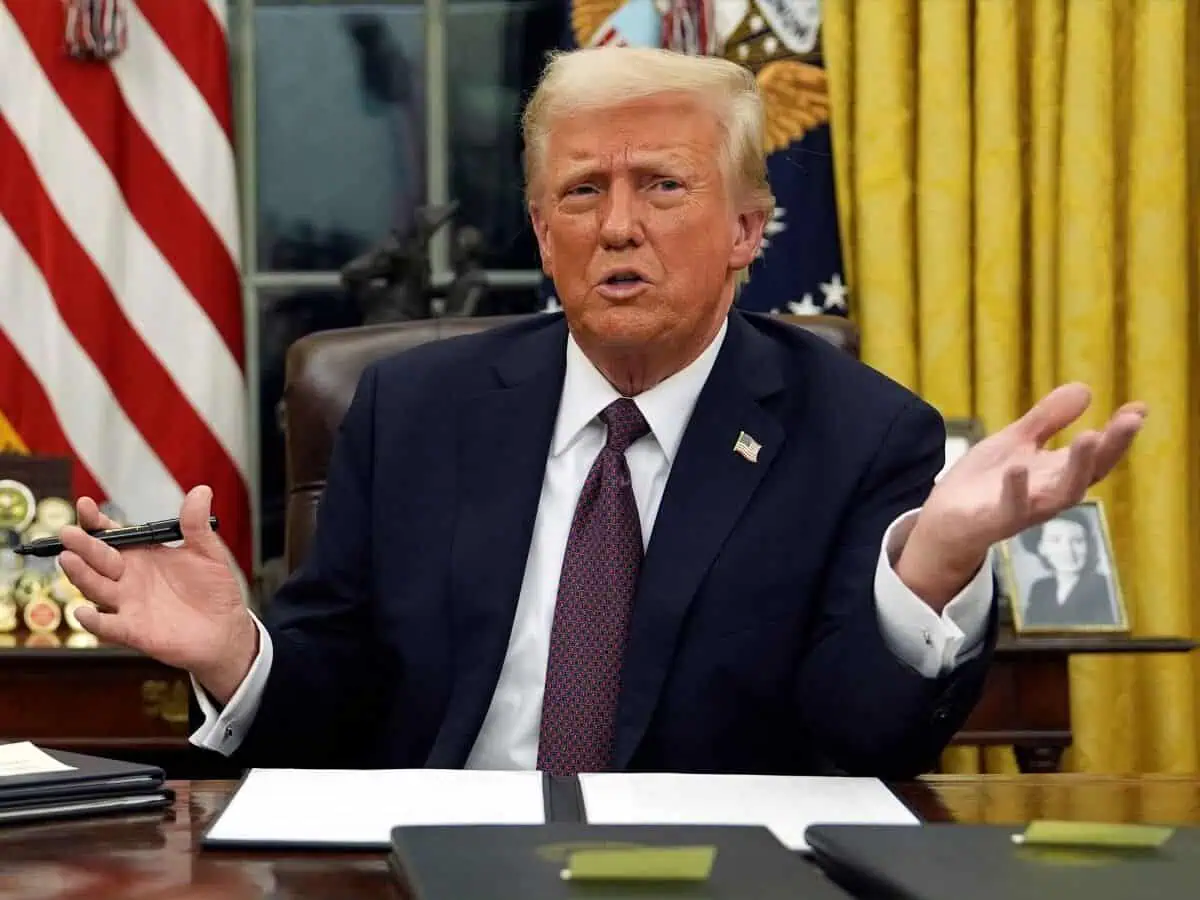
US President Donald Trump has extended an invitation to India to join the newly established US-led Gaza Peace Board, placing New Delhi in a complex diplomatic situation. This invitation comes as the Gaza conflict enters its third year, raising critical questions about international involvement in the region’s post-war reconstruction. A recent report from the Global Trade Research Institute (GTRI) highlights concerns about the initiative, suggesting it may pose significant risks for India, both strategically and reputationally.
Concerns Over India’s Participation
The GTRI report outlines several reasons for India to consider refraining from formal participation in the Gaza Peace Board. A primary concern is the perception that the initiative lacks Palestinian political ownership, potentially rendering outcomes as externally imposed and lacking legitimacy. The report emphasizes that the absence of Palestinian representation casts doubts on the fairness and effectiveness of the proposed reconstruction efforts. Furthermore, it points out that Israel, while not a formal board member, holds de facto veto power over security and implementation, creating an imbalance that could undermine accountability.
Additionally, the report criticizes the board for bypassing established United Nations frameworks that India has historically supported. This deviation from international norms could jeopardize India’s credibility on the global stage. The US-led structure of the board also raises questions about the future governance, borders, and sovereignty of Gaza, leaving many uncertainties that could complicate the reconstruction process.
The Implications of the $1 Billion Plan
The Gaza Peace Board was formally introduced on January 15, 2026, following the announcement of a 20-point redevelopment plan on September 29, 2025. This initiative includes a $1 billion reconstruction package aimed at addressing critical needs such as housing, power, water, sanitation, and job creation. However, the funding is contingent upon security conditions and regional cooperation, which could delay essential humanitarian aid delivery.
The report warns that linking reconstruction funds to security requirements may hinder timely assistance to those in need. It raises concerns that the financial burden could shift to partner countries without adequately addressing the underlying political issues that have fueled the conflict. Critics argue that this approach could prioritize commercial interests over the rights and needs of the Palestinian people, further complicating the situation on the ground.
Composition of the Gaza Peace Board
The Executive Board of the Gaza Peace Board consists of a diverse group of diplomats, politicians, and financiers. Notable members include Nickolay Mladenov, the High Representative for Gaza, US Secretary of State Marco Rubio, and former UK Prime Minister Tony Blair, among others. The board’s composition reflects a blend of political and financial interests, raising questions about the potential prioritization of commercial projects over humanitarian considerations.
Founding membership invitations have been extended to various countries across multiple regions, including Egypt, Jordan, Turkey, Qatar, the UAE, and Morocco, as well as nations from South America, Asia, and Europe. This broad outreach underscores the international dimension of the initiative while highlighting the complexities and sensitivities involved in garnering support for Gaza’s reconstruction.
As India weighs its options regarding participation in the Gaza Peace Board, the implications of such a decision will likely resonate beyond the immediate context of the conflict, influencing its diplomatic relations and standing in international affairs.
Digihunt is not a financial advisor and this is not investment advice.