GM Tackles $6 Billion in Costs as EV Incentives Drop and Emission Rules Relax

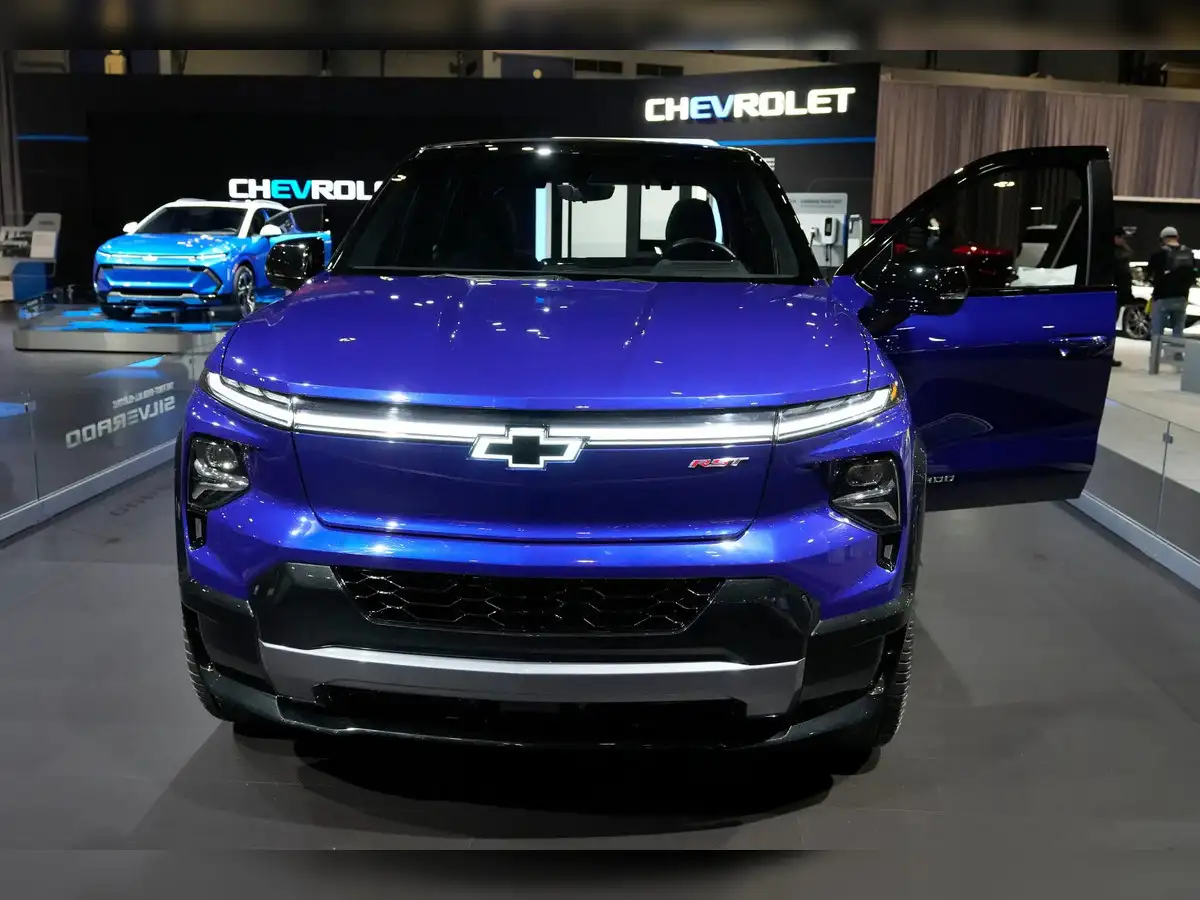
General Motors (GM) is encountering substantial financial hurdles, as it anticipates about $6 billion in charges stemming from a decline in electric vehicle (EV) sales. This downturn follows the U.S. government’s decision to cut tax incentives for EV purchases and ease auto emissions standards. Consequently, GM’s shares fell nearly 3% on Friday, reflecting investor apprehension regarding the company’s bold plans for electric vehicle production.
Financial Impact of EV Sales Decline
The $6 billion in charges will be incorporated into GM’s fourth-quarter financial results. This comes on the heels of an earlier announcement made in October, where the automaker revealed a $1.6 billion charge for the previous quarter, attributed to similar challenges. The drop in EV sales has led GM, along with other automakers, to reassess their approaches to transitioning to electric power. The clean vehicle tax credit, which offered incentives of up to $7,500 for new EVs and $4,000 for used ones, concluded in September, complicating the electric vehicle market further.
In its recent filing with the Securities and Exchange Commission, GM clarified that the $6 billion charge comprises about $1.8 billion in non-cash impairments and other non-cash expenses. Additionally, around $4.2 billion is earmarked for supplier settlements, contract cancellation fees, and other related costs. These financial adjustments underscore the struggles GM faces while navigating a rapidly evolving automotive market.
Shifting Strategies in the Automotive Industry
Historically, GM has been one of the most ambitious U.S. automakers regarding electric vehicle production. In 2020, the company announced plans to invest $27 billion in electric and autonomous vehicles over five years, significantly upping its previous commitments. GM targeted to ensure that more than half of its North American and Chinese plants could produce electric vehicles by 2030. The automaker also committed to investing nearly $750 million in EV charging networks by 2025.
However, these ambitious objectives are now under threat due to changing economic and environmental policies between the Biden and Trump administrations. The competitive landscape has also shifted dramatically, with China emerging as a global leader in electric vehicle technology. Chinese manufacturers have increased production and developed an extensive charging infrastructure, posing challenges for U.S. automakers.
Global Competition and Market Dynamics
The global electric vehicle market is rapidly evolving, highlighted by companies like China’s BYD surpassing Tesla as the world’s largest EV manufacturer. BYD produced 2.26 million electric vehicles last year, illustrating the fierce competition in this sector. This development emphasizes the challenges GM and other U.S. automakers face as they attempt to keep pace with progress in EV technology and production capabilities.
In a related move, Stellantis, the parent company of brands like Jeep and Dodge, declared plans to phase out plug-in hybrid electric vehicle (PHEV) programs in North America, starting with the 2026 model year. The company aims to concentrate on more competitive electrified solutions, reflecting a broader trend among automakers to respond to evolving consumer preferences and market demands.
As GM and its competitors confront these challenges, the future of electric vehicles in the U.S. remains uncertain. The automaker’s capacity to adapt its strategies in response to market dynamics will be pivotal in determining its success in the changing automotive landscape.
Digihunt is not a financial advisor and this is not investment advice.