EU Halts US Trade Agreement Amid Growing Greenland Dispute and Trump’s Tariff Threat

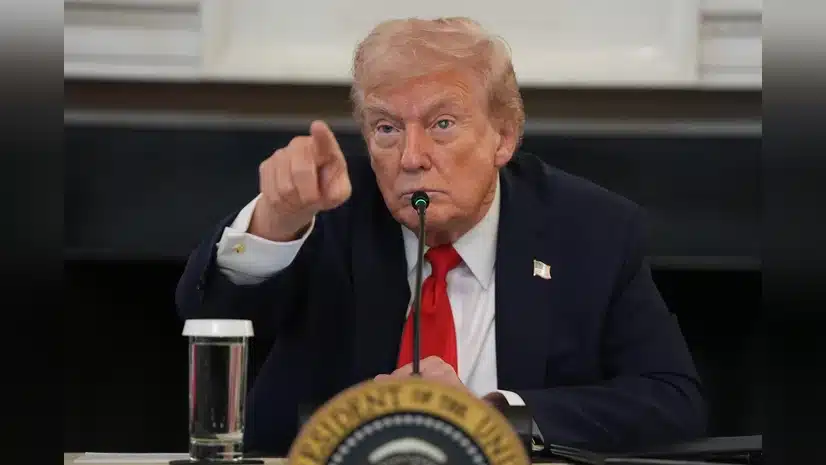
The European Parliament is set to pause the approval of a vital EU-US trade agreement due to President Donald Trump’s recent threats to impose tariffs on various European nations concerning Greenland. This impending announcement highlights the rising tensions between the United States and its European allies. The trade deal, initially agreed upon in July 2025, aimed to cut tariffs on European goods while promoting investment and enhancing exports between the two regions.
Trade Deal Background
This trade agreement, negotiated at Trump’s golf course in Scotland, was intended to reduce US tariffs on European products from 30% to 15%. In exchange, Europe pledged to boost investments in the US and increase American exports. The European Parliament had planned to vote on January 26-27 to finalize the deal, which included provisions to abolish tariffs on US industrial goods. However, influential members of the European Parliament, including Manfred Weber from the European People’s Party, have indicated that approval is no longer feasible in light of Trump’s recent tariff threats.
Trump’s Tariff Threats
President Trump has issued a warning of a potential 10% tariff on goods from several European countries, such as Denmark, Sweden, France, Germany, the Netherlands, Finland, the UK, and Norway, effective February 1. This threat is linked to his interest in the US acquiring Greenland, which is a self-governing territory of Denmark. European officials have criticized these actions as coercive, with French Foreign Minister Jean-Noel Barrot stating that the tariff threats equate to blackmail intended to secure unjustifiable concessions. He emphasized that the European Commission has powerful tools to respond effectively to such measures.
Market Reactions and Concerns
The looming tariff threats have raised fears of a potential trade war, resulting in notable fluctuations in global markets. European stock indices have faced declines for the second consecutive day, while major US indices, including the Dow, S&P 500, and Nasdaq, dropped by more than 1% during early trading. In the currency markets, the euro increased by 0.8% against the dollar, while the pound rose by 0.2%. Conversely, the US dollar experienced a sharp decline. The EU had previously held back from retaliatory actions against US tariffs totaling €93 billion ($109 billion), which are set to resume on February 7 unless a new agreement is reached.
Diplomatic Responses
In light of the escalating rhetoric, Denmark, with EU support, has asserted that diplomatic channels remain open. Danish Foreign Minister Lars Løkke Rasmussen remarked that the US is more than just its president, highlighting the checks and balances present within American society. Additionally, French President Emmanuel Macron and Italian Prime Minister Giorgia Meloni have expressed their readiness to defend Greenland, with Meloni stating that Trump’s threats represent a significant misstep. The situation remains fluid, with European leaders reaffirming their commitment to cooperation while standing firm against unacceptable demands.
Digihunt is not a financial advisor and this is not investment advice.