Delaware Supreme Court Restores Elon Musk’s $55 Billion Tesla Pay Package After Earlier Ruling

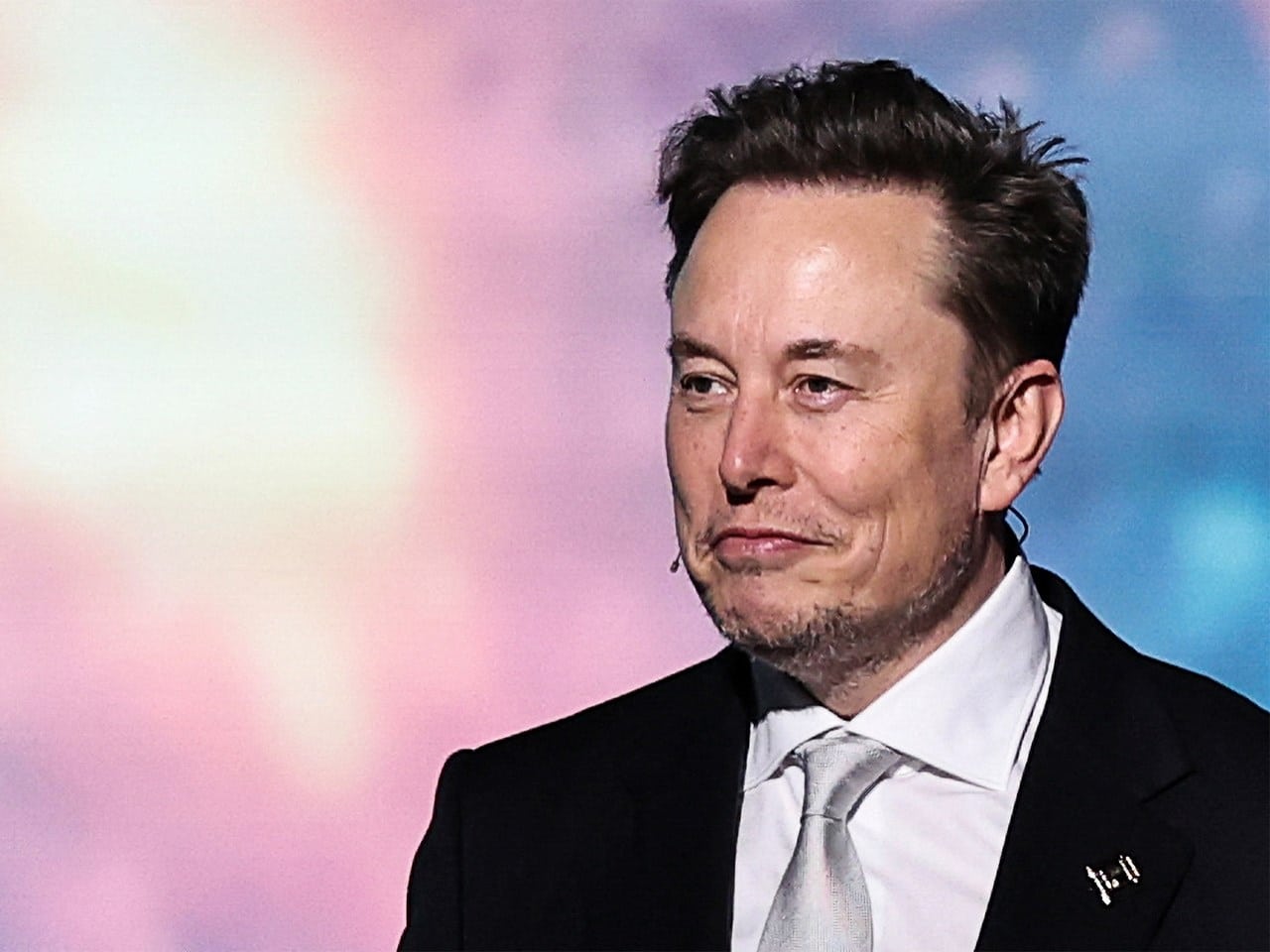
Elon Musk has celebrated a significant legal victory with the Delaware Supreme Court reinstating his controversial Tesla pay package, estimated at around $55–56 billion. This ruling overturns a previous determination by the Delaware Chancery Court, which had found the compensation deal invalid based on concerns regarding the approval process. The court’s decision represents a crucial turning point in a protracted legal battle that has garnered substantial attention, as this compensation deal was once considered the largest executive pay structure in corporate history.
Background of the Legal Dispute
The legal issues began when Tesla shareholder Richard Tornetta filed a lawsuit, contending that Musk’s compensation was excessive and not adequately approved by the company’s board. In January 2024, Delaware Chancery Court Judge Kathaleen St. Jude McCormick ruled against Musk, asserting that the board’s close ties to him compromised the approval process’s fairness. McCormick described the process as “deeply flawed,” concluding that Musk effectively controlled Tesla at the time. This ruling resulted in the pay package’s cancellation, fueling a heated debate about executive compensation and corporate governance.
However, the Delaware Supreme Court’s recent ruling reversed this decision, stating that the lower court had erred in completely cancelling the pay package. The justices highlighted that Musk met the criteria of the 2018 grant, which was linked to performance milestones. They acknowledged that both Tesla and its shareholders benefited from Musk’s contributions, affirming the compensation’s justification based on the company’s success.
Implications of the Ruling
The reinstatement of Musk’s pay package further boosts his already considerable wealth, now estimated at about $679 billion. This decision not only restores a vital financial incentive for Musk but also solidifies his longstanding critiques of Delaware’s legal system. Following the initial ruling in 2024, Musk publicly criticized Judge McCormick and urged other entrepreneurs to think about relocating their businesses from Delaware. In line with this sentiment, Tesla later reincorporated in Texas, mirroring Musk’s discontent with Delaware’s legal environment.
The original pay package, created in 2018, was intended to reward Musk based on ambitious performance targets related to Tesla’s market value and operational success. At the time, Tesla was facing production hurdles, with a market valuation between $50 billion and $75 billion. Since then, the company has made considerable strides in manufacturing and sales, eventually surpassing the thresholds required for Musk to qualify for the payout.
Future Considerations for Tesla and Shareholders
Even with the Supreme Court’s ruling, legal experts point out that not all of Judge McCormick’s findings were overturned. Her conclusions regarding Musk’s influence over Tesla remain uncontested and could have implications for future discussions about governance and compensation. Lawyers representing Tornetta are currently exploring their options following the Supreme Court’s decision.
Tesla’s board has consistently backed Musk throughout this legal dispute. In recent years, they approved an interim compensation award of approximately $29 billion and established a new long-term pay plan that may be worth up to $1 trillion if Musk successfully elevates Tesla’s market value from around $1.6 trillion to $8.5 trillion over the coming decade. Shareholders recently endorsed this new compensation package, reflecting ongoing confidence in Musk’s leadership.
As the legal context evolves, the ramifications of this ruling will likely resonate within the broader discussions of executive compensation and corporate governance, raising questions about the balance between rewarding performance and ensuring accountability.
Digihunt is not a financial advisor and this is not investment advice.