Copper Industry Warns of Challenges from Zero-Duty Imports Under FTAs in India

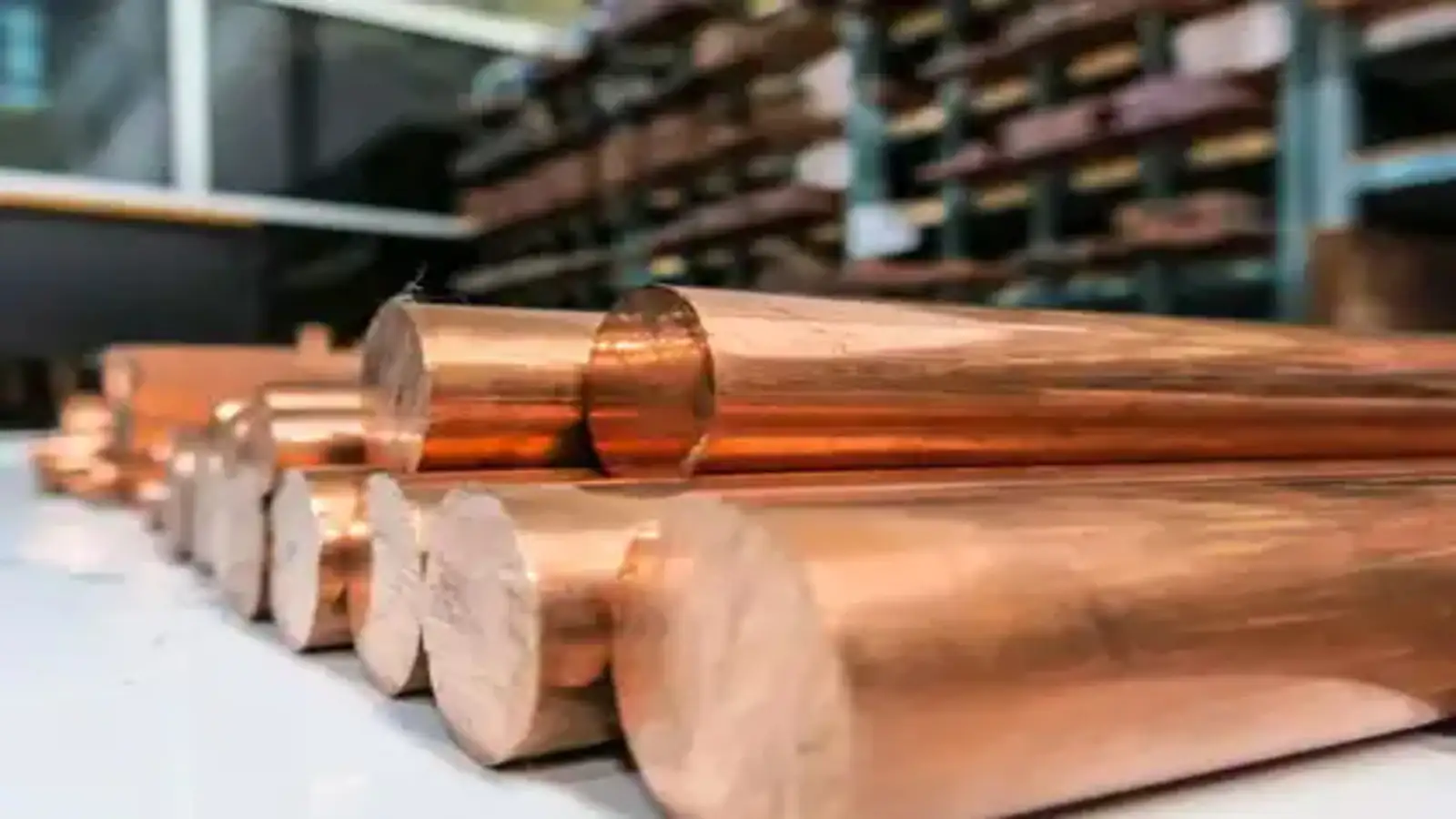
Cheap copper imports under various free trade agreements (FTAs) are significantly harming India’s domestic manufacturing sector, according to the Indian Primary Copper Producers Association (IPCPA). The association has urged the government to impose safeguard duties and quantitative restrictions to protect local industries. With over ₹20,000 crore invested in recent years to achieve self-sufficiency, the IPCPA warns that the influx of zero-duty copper imports is undermining India’s smelting and downstream manufacturing capabilities.
Impact of Zero-Duty Imports
The IPCPA has raised serious concerns about the impact of zero-duty copper imports from FTA partners. These imports are reported to be severely damaging India’s smelting and refining industries. The association is advocating for a 3% safeguard duty on specific copper imports, regardless of their FTA status. This proposed duty would apply to copper cathodes, rods, wires, and tubes. The IPCPA emphasizes the urgent need for government intervention to mitigate the challenges posed by FTAs, which they believe are harmful to the domestic copper industry.
Concerns Over Trade Agreements
One alarming agreement is the India–UAE Comprehensive Economic Partnership Agreement (CEPA). Under this agreement, customs duties on copper wire rods are scheduled to decrease to 1% by FY26 and will be completely eliminated by FY27. The IPCPA has pointed out that the inflated tariff rate quota (TRQ) of 85,000 tonnes per annum (KTPA) is significantly higher than the intended 29 KTPA. This discrepancy has resulted in a staggering 340% increase in copper imports from the UAE between FY22 and FY26. The association is calling for a correction of the TRQ to align it with its original limits.
Challenges from ASEAN Agreements
The IPCPA has also highlighted issues with the India–ASEAN CEPA, which includes a cumulative value-addition rule. This rule enables Indonesian copper cathodes to undergo minimal processing in countries like Thailand, Malaysia, or Vietnam before entering India duty-free. Between 2020 and 2024, this provision has led to a 66% increase in copper wire imports and a 103% rise in copper tube imports. As Indonesia expands its smelting capacity, the competition for Indian producers intensifies, creating further challenges in the market dynamics.
Global Market Pressures
The global copper smelting industry is currently facing severe challenges, with Treatment and Refining Charges (TC/RC) plummeting by nearly 80%. Projections indicate that TC/RC levels could drop to zero by 2026, endangering the viability of smelting and refining operations in India. The IPCPA stresses that the influx of zero-duty imports from the UAE, ASEAN, and Japan under various FTAs is displacing domestic production. The association is urging the government to take decisive action to safeguard the interests of the Indian copper industry and ensure its sustainability amid these mounting pressures.
Digihunt is not a financial advisor and this is not investment advice.