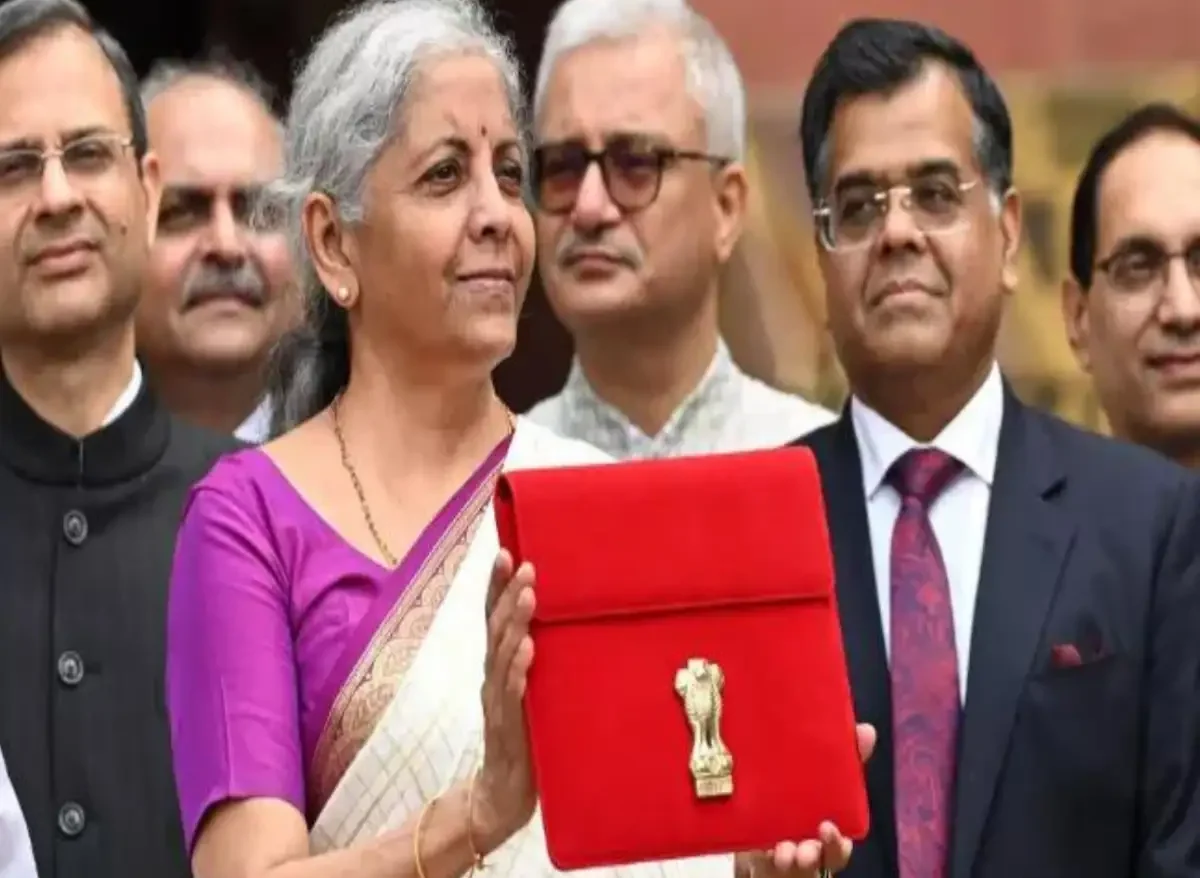
Finance Minister Nirmala Sitharaman is preparing to present the Union Budget for 2026 on February 1, marking her ninth consecutive budget presentation. This budget will be the second full budget under the Modi 3.0 government, following the first full budget delivered in 2025. The budget presentation date was shifted to February 1 in 2017 to facilitate quicker implementation. The upcoming budget is expected to focus on sustaining economic growth while providing relief to the middle class, which is grappling with high taxes and rising living costs.
Historical Context of India’s Budget Presentations
India’s journey with the Union Budget began on November 26, 1947, when R.K. Shanmukham Chetty, the first finance minister, presented the inaugural budget. Traditionally, budgets were presented at 5 PM on the last working day of February, a practice that originated during colonial times to align with UK business hours. This timing ensured the budget reached London during working hours, considering India’s time zone was ahead of British Summer Time.
A significant change occurred in 1999 when then Finance Minister Yashwant Sinha moved the budget presentation to 11 AM, a practice maintained to this day to improve efficiency. In 2017, the budget date was further advanced from February 28 to February 1, aimed at expediting parliamentary approval and allowing implementation to begin with the financial year on April 1, thus avoiding previous delays.
Notable Records in Budget Presentations
Morarji Desai holds the record for the most Union Budgets presented, with a total of ten budgets delivered during his tenures from 1959 to 1964 and again from 1967 to 1969. P. Chidambaram followed with nine budgets from 1996 through various terms under the United Front and Congress-led UPA governments. Pranab Mukherjee also made a notable contribution by delivering eight budgets across several tenures, including five consecutive budgets from 2009 to 2012.
With her upcoming presentation, Nirmala Sitharaman is set to become the only finance minister to deliver nine consecutive budgets under a single prime minister. Her tenure has included significant milestones, such as the longest budget speech on February 1, 2020, lasting 2 hours and 40 minutes, with two pages left unread. In contrast, the shortest budget speech was delivered by Hirubhai Mulljibhai Patel in 1977, consisting of just 800 words.
Anticipations for Budget 2026
As the date for Budget 2026 approaches, high expectations surround its content and implications for the Indian economy. The budget is anticipated to address the challenges faced by the middle class, particularly high taxation and rising living costs. The government aims to sustain economic momentum while providing essential relief to households dealing with tightening financial conditions.
The Modi 3.0 government is eager to ensure that the budget reflects the current economic landscape while setting the groundwork for future growth. With the context of previous budgets and their effects in mind, stakeholders from various sectors are closely observing developments leading up to the presentation. The upcoming budget will serve as a critical indicator of the government’s priorities and its approach to economic management in the forthcoming fiscal year.
Digihunt is not a financial advisor and this is not investment advice.