Automakers Seek EV Protections in EU Agreement for Safer Electric Vehicle Future

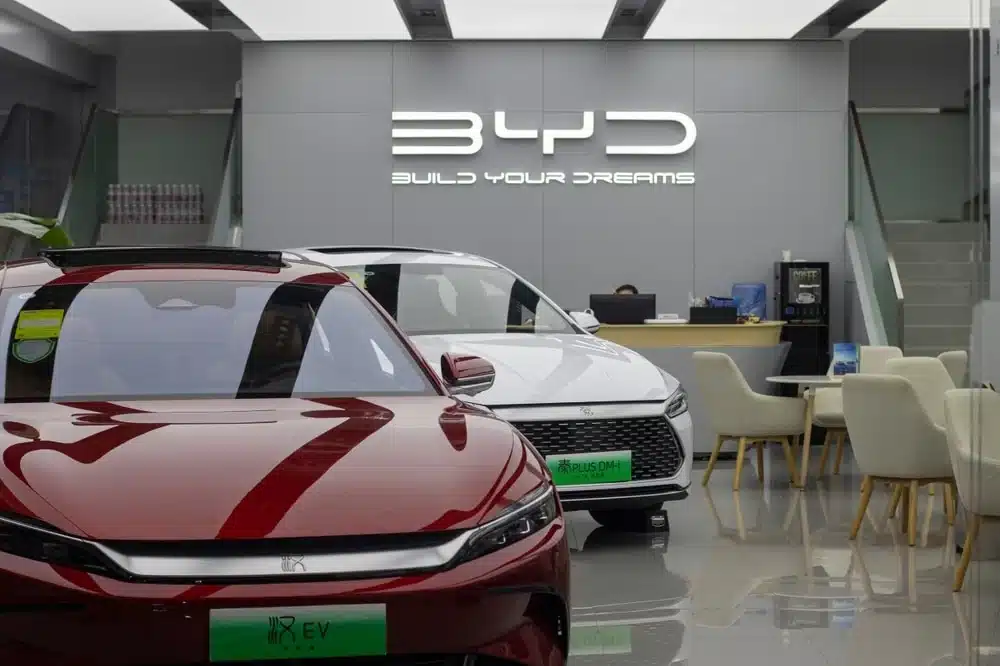
As negotiations for a free trade agreement (FTA) between India and the European Union approach their conclusion, local auto manufacturers are voicing concerns about the competitive threat posed by Chinese electric vehicles (EVs). These manufacturers fear that Chinese firms could leverage the EU as a route to penetrate the Indian market at lower tariffs. In light of this, the Indian auto sector is urging the government to implement measures that would limit the import of EVs to only high-end models with significant value addition.
Industry Concerns Over Chinese EVs
The Indian auto sector is particularly worried about the ramifications of the FTA with the European Union. Insiders have suggested that some Chinese companies may establish assembly units in EU member countries, enabling them to ship vehicles to India while benefiting from reduced duties. This could pose a serious risk to local manufacturers, who have invested significantly in developing their own EV technologies. An industry executive stressed the necessity of safeguarding domestic firms during this critical period to cultivate a robust ecosystem for green vehicles before welcoming foreign competition.
Previous trade agreements, including the one signed with the UK last year, included protective measures for electric vehicles. Nevertheless, the Indian auto industry understands that certain compromises might be essential to secure a favorable deal in the ongoing negotiations. The competitive landscape is further intensified by the presence of global automotive giants like Tesla, Mercedes, and BMW, who are expected to use their European facilities for exports to India. Currently, Tesla imports its vehicles from China; however, lower tariffs could soon facilitate shipments from its German plant.
Government Initiatives and Industry Response
The Indian government previously introduced a scheme allowing for lower duty imports of electric cars for a limited duration, contingent on manufacturers committing to local production investments within three years. However, this initiative has not seen much traction, as many automakers are awaiting the finalization of trade agreements before making substantial investment decisions. The ongoing uncertainty surrounding FTA negotiations has prompted a cautious stance among industry players, who are eager to understand the possible effects on their operations and market standing.
Piyush Goyal’s Investment Appeal
In a related development, Commerce and Industry Minister Piyush Goyal recently made a trip to Liechtenstein, urging companies from the small European nation to invest in India. He underscored the opportunities afforded by the India-European Free Trade Association (EFTA) trade pact, which was implemented last year. Goyal’s outreach seeks to strengthen economic ties and attract foreign investment, further bolstering India’s position in the global market. The ongoing negotiations with the EU and the potential influx of investment from countries like Liechtenstein could be instrumental in shaping the future of India’s automotive sector.
Digihunt is not a financial advisor and this is not investment advice.