Air India Plans CEO Change as N Chandrasekaran Looks for New Leadership, Reports Say

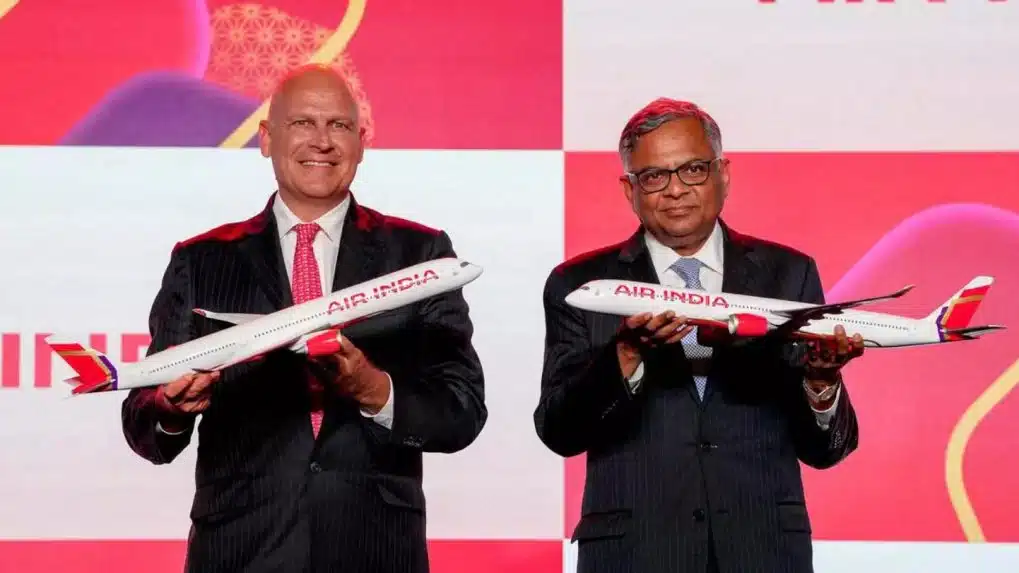
Air India is seeking a new Chief Executive Officer (CEO) as Tata Sons aims to replace Campbell Wilson, who has been in charge since July 2022. Despite Wilson’s contract extending until June 2027, talks are ongoing with senior aviation leaders worldwide to refresh the airline’s leadership. This development arises from increasing dissatisfaction with Wilson’s performance and operational issues faced by the airline, especially after a tragic accident that raised serious safety concerns.
Reasons Behind the Leadership Change
Reports suggest that Tata Group leadership has expressed growing dissatisfaction with Campbell Wilson’s performance over the past year. Wilson was granted significant autonomy to address the airline’s challenges after its acquisition from the government, but the outcomes have fallen short of expectations. Tension heightened following the Air India 171 crash in Ahmedabad, marking the deadliest aviation accident in a decade. This event led aviation regulators to point out several operational deficiencies, including incomplete emergency equipment checks and delays in engine part replacements.
N. Chandrasekaran, the group chairman of Tata Sons and Air India, has shown frustration regarding the slow pace of operational improvements. Frequent performance review meetings with Wilson in recent months indicate that a leadership change might occur sooner than the official expiration of Wilson’s term. However, a source close to Wilson asserts that he is involved in succession planning and has informed the board that he would not extend his tenure beyond 2027. This claim has been disputed by group officials, who insist that discussions regarding Wilson’s future have not taken place at the board level.
Operational Challenges and Regulatory Scrutiny
Under Wilson’s leadership, Air India has confronted substantial operational hurdles, particularly following the crash. The scrutiny from regulatory authorities has intensified, with the Directorate General of Civil Aviation issuing show cause notices to several senior executives, including Wilson, for alleged compliance violations. A significant incident involved operating an aircraft with an expired license, raising serious concerns about the airline’s adherence to safety standards.
Despite these difficulties, Wilson has made progress in certain areas, such as integrating Vistara into Air India and pursuing an extensive fleet expansion. However, ongoing global supply chain disruptions have hindered the delivery of new aircraft and delayed the refurbishment of older ones. These challenges have negatively impacted service quality and punctuality, complicating the airline’s operational landscape. Wilson recently mentioned that the airline should have received 28 new aircraft by now, but the actual number is still zero due to supply chain issues.
Financial Performance and Future Prospects
Air India and its subsidiary, Air India Express, reported a massive combined loss of Rs 10,859 crore for FY25, making them the largest loss-making entities within the Tata Group. The airline’s financial recovery has been further complicated by external circumstances, such as the closure of Pakistan’s airspace, which has led to longer flight routes and inflated operational costs.
As Tata Sons assesses potential successors for Wilson, the emphasis remains on selecting a leader capable of navigating these complex challenges and guiding Air India toward a more competitive future. Discussions have reportedly included conversations with executives from major international airlines in the UK and the US. With high stakes and the airline’s reputation at risk, the upcoming leadership transition could profoundly impact Air India’s trajectory in the years ahead.
Digihunt is not a financial advisor and this is not investment advice.