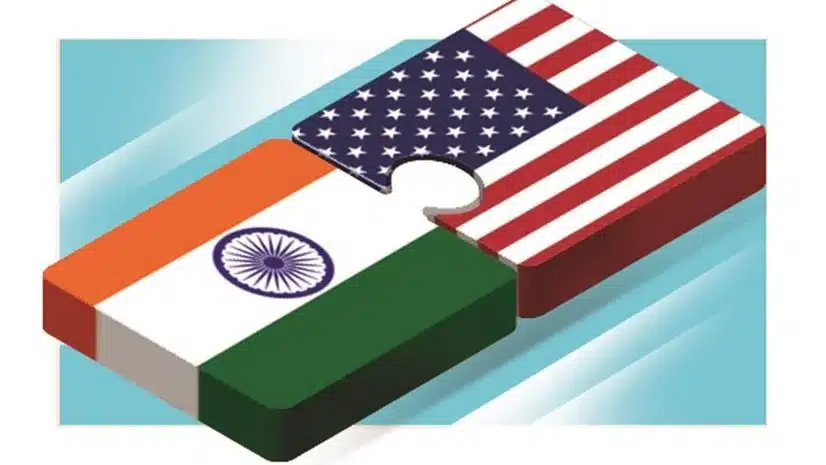
Chief Economic Adviser V Anantha Nageswaran has characterized the India-US trade deal as “elusive” yet on the verge of finalization, expressing optimism that an agreement could be sealed by March. In a recent interview, he acknowledged that while most issues have been addressed, the timeline remains uncertain. A U.S. trade negotiating team is currently in India to close the remaining gaps, aiming to alleviate the impact of substantial tariffs imposed by Washington. The negotiations have been delayed due to both economic factors and geopolitical considerations.
Progress in Negotiations
The ongoing trade negotiations between India and the United States have seen significant developments. Nageswaran noted that he initially hoped for a resolution by the end of November; however, the complexities of the discussions have made it difficult to establish a clear timeline. He emphasized that the negotiations extend beyond trade, also influenced by broader geopolitical dynamics. The U.S. trade team is in India to work on bridging the last remaining gaps, continuing discussions that have been active for several months. The primary focus is on a tariff-based agreement intended to provide relief from the punitive 50% tariffs imposed by the U.S.
Despite the delays, Nageswaran remains optimistic that an agreement could be finalized by the end of the financial year. Most issues appear to be resolved, and he expressed surprise if the deal is not concluded soon. The extensive negotiations have included multiple rounds aimed at addressing the concerns of both nations.
Economic Outlook Amid Trade Uncertainty
In light of the trade-related uncertainties, Nageswaran offered an optimistic outlook on India’s economic performance. He remarked that the domestic economy is exceeding earlier projections and has demonstrated resilience and adaptability, which is likely to continue into the next fiscal year. Addressing concerns regarding the weakening Indian rupee, he suggested that this is not a significant issue at present. In fact, a weaker currency could benefit the export sector, especially amid current global uncertainties.
Nageswaran’s comments reflect broader confidence in India’s economic trajectory, despite the challenges posed by international trade dynamics. He believes that the recent economic performance could serve as a positive indicator for future growth, potentially leading to even better outcomes in the upcoming years.
US Trade Representative’s Insights
During a Senate Appropriations Subcommittee hearing, US Trade Representative Jamieson Greer highlighted the advancements made in negotiations with India. He described the offers received from India as the “best ever,” indicating a readiness on the Indian side to engage constructively in discussions. Greer recognized challenges, particularly around certain U.S. agricultural products, but noted that the overall tone of negotiations has been positive.
The U.S. has raised concerns regarding India’s resistance to specific agricultural imports, including corn, soybeans, wheat, and cotton. Despite these obstacles, Greer mentioned that Indian proposals have been more favorable than previous negotiations, suggesting a potential breakthrough. The U.S. negotiating team, led by Deputy Trade Representative Rick Switzer, continues to collaborate with Indian officials to finalize the agreement’s details.
Future of India-US Trade Relations
The India-US trade relationship is set for substantial growth, with both nations aiming to double bilateral trade to $500 billion by 2030. Currently, the U.S. stands as India’s largest trading partner, with bilateral trade reaching $131.84 billion in the 2024-25 fiscal year. However, recent data reveals a decline in India’s exports to the U.S., which fell by 8.58% in October, following a 25% duty imposed by the U.S., citing trade deficits.
Despite these challenges, Indian officials remain dedicated to advancing trade discussions. Commerce and Industry Minister Piyush Goyal recently stated that talks are making progress, with both countries striving toward a bilateral trade agreement. The negotiations involve two parallel discussions: one concentrating on tariffs, and the other on a broader trade framework. As these talks progress, both nations remain hopeful for a comprehensive agreement, which would benefit their respective economies and enhance bilateral trade relations.
Digihunt is not a financial advisor and this is not investment advice.