China’s $1 Trillion Trade Surplus: IMF Urges Emphasis on Domestic Growth Over Export Reliance

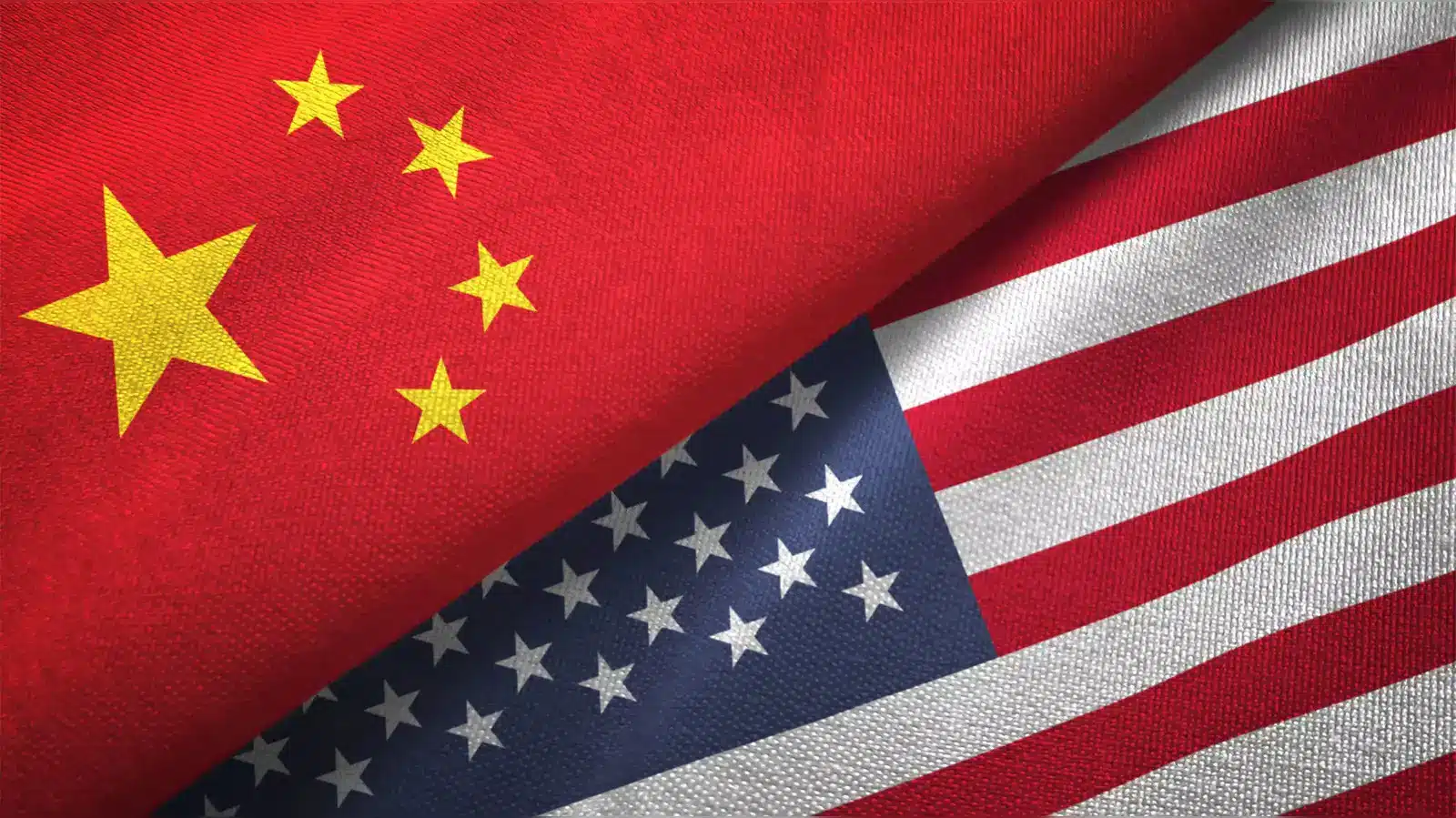
The head of the International Monetary Fund (IMF), Kristalina Georgieva, has urged China to tackle its economic imbalances, noting that the nation can no longer rely primarily on exports for growth. Despite a drop in shipments to the United States due to tariffs from the Trump administration, China’s overall exports have continued to increase. Recently, Beijing revealed that its trade surplus for 2025 has already exceeded a record $1 trillion, raising questions about the sustainability of its export-driven growth model.
China’s Export Dependency
Georgieva’s statements underscore the dangers related to China’s heavy reliance on export-led growth. She mentioned that as China’s economy has expanded, it has become “too big to rely on exports as a source for growth.” The IMF Managing Director highlighted that the country has a vast domestic market that could act as a significant engine for future economic development. This transition is vital, especially amid rising global trade tensions. Georgieva cautioned that continued dependence on foreign demand might provoke stronger reactions from trading partners, which could lead to more economic friction.
Chinese officials share this sentiment, recognizing the necessity to enhance domestic consumer spending. During a recent policy meeting, leaders reaffirmed their commitment to reducing the economy’s dependence on exports and large infrastructure projects. However, several challenges persist, including the lingering impact of the pandemic and a prolonged downturn in the real estate sector, which have considerably affected economic growth.
Challenges to Domestic Growth
Despite the government’s efforts to shift towards domestic consumption, progress has been slow. The IMF’s annual review of China’s economy indicated that weak consumer spending and sluggish household demand have pressured the yuan, making Chinese goods more affordable on the international market. This scenario has widened trade gaps, prompting the IMF to recommend broader policy measures to boost consumer spending.
Even with a projected growth rate of nearly 5%, many Chinese households remain cautious. Years of job losses and income reductions due to the pandemic have made consumers hesitant to spend. The ongoing decline in the property market has further eroded household wealth, leading to diminished appetites for spending and imports. Consequently, while China has increased its exports to regions like Africa, Latin America, Southeast Asia, and Europe, there are concerns that the country’s import growth is not keeping pace with its export expansion.
Future Outlook and Global Trade Relations
Looking ahead, Morgan Stanley’s forecasts suggest that China’s share of global exports could increase to 16.5% by 2030, up from about 15% currently. This growth is anticipated to be driven by advancements in sectors such as electric vehicles, robotics, and battery technology. However, Georgieva emphasized that for China to attain sustainable growth, it must implement policies that encourage domestic consumption and lessen its reliance on exports.
The European Union Chamber of Commerce in China has expressed rising concerns regarding China’s substantial trade surplus, indicating it poses increasing challenges for global trade relations. Premier Li Qiang recently acknowledged that higher tariffs have detrimental effects on the global economy, underscoring the need for China to reevaluate its economic strategies amid shifting global dynamics. As the country navigates these challenges, the emphasis will likely remain on balancing export growth with fostering a robust domestic market.
Digihunt is not a financial advisor and this is not investment advice.