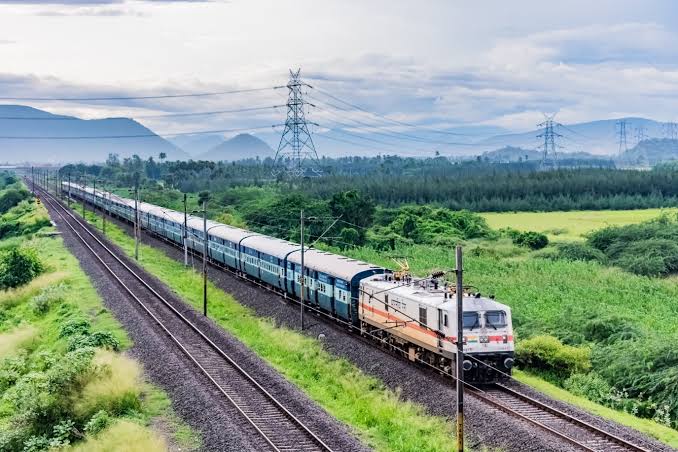
Railways is undertaking significant measures to bolster its financial stability in anticipation of wage hikes from the forthcoming Eighth Pay Commission. With operations set to commence in January 2024 and recommendations expected within 18 months, the national transporter is focusing on strategic cost-cutting across maintenance, procurement, and energy sectors. This approach aims to enhance operational efficiency and reduce the financial burden associated with potential wage expenses estimated to reach Rs 30,000 crore.
Financial Preparations for Wage Increases
The Eighth Pay Commission, which will begin its work in January 2024, is anticipated to propose notable wage increments for railway personnel, following the pattern established by the Seventh Pay Commission. The previous commission resulted in wage increases of 14% to 26%, effective from 2016 and continuing until January 2026. In light of similar anticipated adjustments, Indian Railways is emphasizing expense management strategies to prevent financial strain. A senior official noted that the organization has planned for additional funding needs, relying on internal accruals, estimated savings, and increased freight revenue to cover costs.
Operational Efficiency and Revenue Goals
For the fiscal year 2024-25, Indian Railways reported an operating ratio (OR) of 98.90%, which led to a net revenue of Rs 1,341.31 crore. For the following fiscal year, the target OR is set at 98.43%, with an expected net revenue of Rs 3,041.31 crore. Officials believe that annual energy savings of Rs 5,000 crore can be achieved once the electrification of the network is finalized. Moreover, payments to the Indian Railway Finance Corporation (IRFC) are projected to decline by the fiscal year 2027-28, as recent capital expenditures have been financed via gross budgetary support.
Impact of Wage Commission Recommendations
The Seventh Pay Commission introduced a fitment factor of 2.57, which raised the minimum basic pay for railway employees from Rs 7,000 to Rs 17,990. Central trade unions are now advocating for a higher fitment factor of 2.86 for the Eighth Pay Commission, which could result in a wage bill increase exceeding 22%. Despite these potential rises, officials assure that the Railways will sustain a robust financial position to absorb the impact. “Funds would not be an issue,” a senior official confirmed, emphasizing the organization’s dedication to financial stability.
Budget Allocations for Staff and Pensions
In the fiscal year 2025-26, Indian Railways has earmarked Rs 1.28 lakh crore for staff costs, a rise from Rs 1.17 lakh crore in the previous year. Additionally, the pension fund allocation has increased to Rs 68,602.69 crore for FY26, up from Rs 66,358.69 crore in FY25. This strategic budgeting illustrates the Railways’ proactive approach to managing its financial commitments while bracing for potential wage increases linked to the Eighth Pay Commission’s recommendations.
Digihunt is not a financial advisor and this is not investment advice.