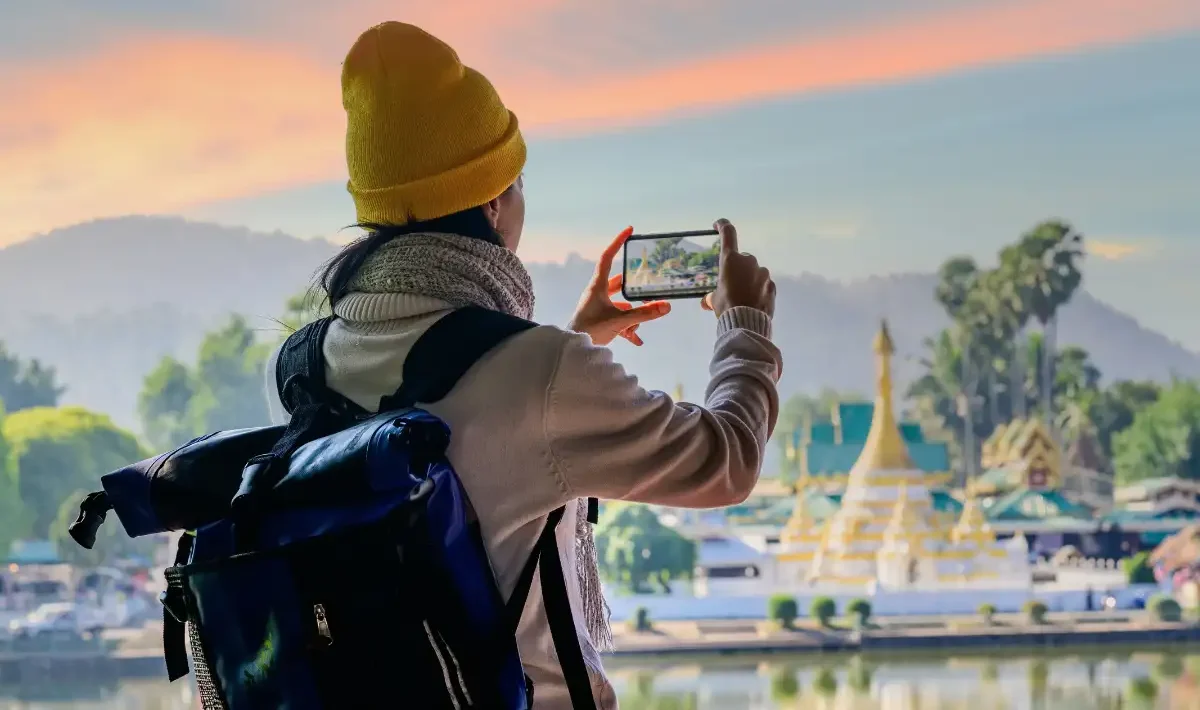
Indians are changing their travel preferences as the New Year approaches, shifting away from traditional destinations like Thailand and Cambodia. Instead, many are now considering places like Vietnam, Indonesia, Sri Lanka, Japan, and parts of West Asia. This adjustment follows recent border violence in Thailand and Cambodia, which has notably impacted travel demand. Experts in the travel industry have reported a significant decline in inquiries and bookings for these popular Southeast Asian locations, leading travelers to rethink their plans.
Impact of Regional Conflicts on Travel Choices
The recent clashes in Thailand and Cambodia, resulting in over 100 fatalities, have significantly altered travel behavior among Indian tourists. Ravi Gosain, president of the Indian Association of Tour Operators, mentioned that inquiries for Thailand have decreased by 10-20%, with new bookings down by 8-15%. While outright cancellations remain relatively low at 3-8%, many travelers are choosing to adjust their itineraries rather than cancel. Cambodia has seen a more substantial downturn, with inquiries falling by 20-35% year-on-year and cancellations between 8-18%. The swift reaction from travelers, who began modifying their plans within days of the violence, highlights a heightened sensitivity to safety concerns.
Different segments of travelers are responding differently. Families and first-time international travelers are being more cautious, whereas younger groups and honeymooners are displaying greater flexibility with their travel arrangements. Key factors influencing these choices include safety perceptions, visa acquisition ease, flight availability, and overall value for money.
Shifts in Travel Preferences and Spending
Despite the decrease in demand for Thailand and Cambodia, traveler spending levels remain stable. Mid-market travelers typically spend between Rs 1.1 lakh and Rs 1.8 lakh per person, while premium travelers allocate between Rs 2.5 lakh and Rs 4 lakh for their trips. Rajiv Mehra, general secretary of the Federation of Associations in Indian Tourism and Hospitality, noted that Thailand has lost some of its previous traction, experiencing a 5-10% drop in demand. Meanwhile, Cambodia is seen more as a spiritual destination than a leisure hotspot. In contrast, countries like Vietnam, Sri Lanka, and Malaysia are gaining popularity due to their competitive pricing and appeal.
Travel companies are adjusting to these changes, focusing on recalibrating their offerings rather than facing outright disruptions. Jatinder Paul Singh, CEO of Viacation, emphasized that while inquiries remain stable, travelers are taking more time to make decisions. Cancellations are limited, with many opting to change dates or select alternative destinations.
Rising Costs and New Travel Trends
Increasing airfares are also influencing travel decisions. Hari Ganapathy, co-founder of Pickyourtrail, pointed out that airline capacity constraints have led to higher flight costs, prompting travelers to prioritize affordability. Although on-ground prices have risen by only 5-7%, flight costs remain a significant factor in travel planning. This trend has resulted in a heightened interest in short-haul destinations that offer visa-on-arrival options and shorter travel times, such as Malaysia, Singapore, and Sri Lanka.
Long-term changes in travel behavior are evident, with a nearly 30% increase in paid activities included in itineraries over the past two years, and a further 13% rise this year. Around 65-70% of itineraries now feature at least one customized experience, marking a shift away from nightlife-centric vacations toward more personalized travel experiences.
Emerging Destinations and Local Alternatives
Booking data from EaseMyTrip indicates that Vietnam’s popularity is on the rise, with Indian traveler traffic expected to increase by 125% by 2025. Sri Lanka is also experiencing a significant surge, with a fivefold increase in interest compared to last winter. Travel companies are adjusting to these trends by pivoting from large-scale, nightlife-oriented New Year celebrations to experience-driven and restorative travel options that align with evolving traveler preferences.
To sustain interest and drive bookings, travel companies are curating comprehensive experiences that bundle accommodations with activities like culinary workshops, local village dinners, heritage walks, farm tours, and personalized wellness programs. Within India, destinations such as Goa, Kerala, and the Andaman Islands remain attractive for festive-season travelers, offering appealing alternatives for those choosing to stay closer to home amid changing overseas travel plans.
Digihunt is not a financial advisor and this is not investment advice.