Author: Kanhaiya

  • Petrol, Diesel Fresh Prices Announced: Check Rates In Your City On October 6

    Petrol, Diesel Fresh Prices Announced: Check Rates In Your City On October 6

    Petrol and diesel prices on October 6

    Petrol Diesel Price Today In India. Check city-wise rate table now

    Petrol, Diesel Prices Today On October 06, 2024: Every day at 6 a.m., oil marketing companies (OMCs) update petrol and diesel prices, providing consistency despite the volatility of these commodities. These adjustments reflect changes in global crude oil prices and fluctuations in foreign exchange rates, ensuring consumers stay informed about the latest fuel costs.

    Petrol Diesel Price Today In India (Check city-wise rate table below)

    Check city-wise petrol and diesel prices on October 06

    City Petrol Price (Rs/litre) Diesel Price (Rs/litre)
    Delhi 94.72 87.62
    Mumbai 103.44 89.97
    Chennai 100.98 92.56
    Kolkata 104.95 91.76
    Noida 94.80 87.93
    Lucknow 94.65 87.76
    Bengaluru 102.86 88.94
    Hyderabad 107.41 95.65
    Jaipur 104.88 90.36
    Trivandrum 107.25 96.13
    Bhubaneswar 100.88 92.46

    In India, fuel prices have remained steady since May 2022, following a reduction in fuel taxes by the central government and several states.

    Fuel retail prices are adjusted by OMCs daily at 6 am based on the global price of crude oil. The government oversees fuel prices through excise tax, base pricing, and price caps.

    Factors Affecting Petrol And Diesel Prices In India 

    In India, petrol and diesel prices are influenced by several factors, including freight charges, value-added tax (VAT), and local taxes, resulting in varying rates across different states.

    Crude oil price: The primary raw material for the production of petrol and diesel is crude oil; as such, its price directly influences the ultimate cost of these fuels.

    The exchange rate between the Indian rupee and the US dollar: As a major importer of crude oil, India’s petrol and diesel prices are also influenced by the exchange rate between the Indian and US dollar.

    Tax: Various taxes on petrol and diesel are imposed by both the central and state governments. These taxes may differ across states, exerting a notable influence on the ultimate prices of petrol and diesel.

    The cost of refining:

    The final price of petrol and diesel is additionally influenced by the expenses incurred in refining crude oil into these fuels. The refining process can be costly, and the refining expenses may fluctuate based on factors like the type of crude oil utilised and the refinery’s efficiency.

    The demand for petrol and diesel: The demand for petrol and diesel can also affect their prices. If demand for these fuels increases, it can lead to higher prices.

  • Planning to Start Mutual SIP? Check Detailed Stock Market Condition, Outlook

    Planning to Start Mutual SIP? Check Detailed Stock Market Condition, Outlook

    The Indian stock market witnessed its worst week since June 2022 declining 4.5 per cent between September 30 and October 4 amid unfavourable global factors. The sharp fall has made the Indian markets relatively cheaper as compared to the previous week. As a result of this, investors might be attracted to start a mutual fund systematic investment plan (SIP) amid falling markets. Here’s the current stock market condition and its outlook you need to know.

    The Current Indian Market Situation

    The Indian stock market experienced a sharp downturn this week, breaking its three-week winning streak. The NSE Nifty and BSE Sensex both plummeted nearly 4.50 per cent, closing the week at 25,014.60 and 81,688.45, respectively. The 4,100 points fall led to a loss of Rs 16 lakh crore for investors within a week.

    Real estate and financial services stocks were hit the hardest.

    The Nifty closed at a 3-week low, managing to stay just above 25,000. Selling pressure was widespread, and the overall market breadth favoured declines.

    India VIX, or the India Volatility Index, is a market that measures the market’s expectation of volatility in the Nifty 50 index rose by (+18.10 per cent) and closed the week at 14.12.

    Why Are Markets Falling?

    Pravesh Gour, senior technical analyst at Swastika Investmart, said, “Foreign portfolio investors (FPIs) are shifting funds away from India, viewing it as a relatively expensive market. Instead, they are turning to China, anticipating an economic revival there.”

    During the week ended October 4, foreign portfolio investors (FPIs) were the most significant sellers withdrawing nearly Rs 37,088 crore from Indian markets.

    “The recent optimism in China has been fuelled by the People’s Bank of China (PBOC) cutting interest rates and lowering the reserve requirement ratio, alongside fiscal stimulus measures. These moves triggered a strong rally in both Chinese and Hong Kong markets, pushing up commodity prices,” Gour added.

    Palka Arora Chopra, director of Master Capital Services, said, “This significant decline has been attributed to a combination of fundamental challenges, which prompted short-term profit-taking. The primary driver behind the selloff was the diversion of foreign funds to China after the country’s central bank introduced substantial monetary stimulus.”

    Recently, China’s central bank announced its largest-ever ‘stimulus package’ on mortgages worth $5.3 trillion (about Rs 44.27 lakh crore). Adding to it, the downpayments on the existing loans have als been decreased, apart from reducing the reserve requirement ratio (RRR) by 50 basis points and lowering its 14-day repo rate by 10 basis points.

    “This move has fuelled expectations of further monetary measures to support China’s weakening economy,” Arora added.

    Escalating geopolitical tensions in the Middle East, particularly after Iran launched nearly 180 ballistic missiles at Israel, further dampened market sentiment.

    “Investors are now bracing for a possible retaliatory strike by Israel, potentially targeting Iran’s nuclear facilities or major oil fields,” she said.

    A more than 11 per cent surge in oil prices this week has reignited inflationary concerns, which could undermine the growing optimism surrounding global interest rate cuts. The Brent crude oil touched $78 per barrel on Friday, compared with nearly $70 in the previous week.

    India’s Latest Macroeconomic Indicators

    In the month of September, India’s manufacturing activities slowed to an eight month low, with the HSBC India Manufacturing PMI falling to 56.5 from 57.5 in August. Fiscal deficit for April-August stood at Rs 4.35 lakh crore, or 27 per cent of the annual target and government expenditure during the period was Rs 16.52 lakh crore, slightly lower than last year’s Rs 16.72 lakh crore due to reduced spending ahead of general elections.

    India’s foreign exchange reserves climbed for the seventh consecutive week to a record high of $704.89 billion as compared to $692.30 billion previous week. Foreign institutional investors (FIIs) sold equities worth Rs 40,511 crore, while Domestic Institutional Investors (DII) bought equities worth Rs 33,075 crore.

    Market Outlook

    “On the domestic front, the market’s focus will also be on the Reserve Bank of India’s (RBI) Monetary Policy Committee (MPC), which is scheduled to meet from October 7 to 9, 2024, with the outcome to be announced on Wednesday, October 9,” said Pravesh Gour, senior technical analyst at Swastika Investmart.

    The RBI is expected to keep the benchmark repo rate unchanged in its upcoming policy review, having maintained it at 6.5% for the ninth consecutive meeting in August 2024. This aligns with market expectations, as the central bank aims to bring inflation closer to its medium-term target of 4% while supporting economic growth.

    The Q2 earnings season is also kicking off with key companies like TCS, Tata Elxsi, DMart, and IREDA among others, which will drive stock-specific movements, he added.

    Additionally, commodity prices, the US dollar index, and key U.S. macroeconomic data will play a crucial role in determining market direction. Geopolitical developments will also continue to be a significant factor on the global front.

    “The outlook for the market will also be guided by India;s industrial production (YoY) (August), India’s Manufacturing Output (MoM) (Aug), US FOMC Meeting Minutes, US Core CPI (MoM) (Sep), US CPI (MoM) (Sep), US Initial Jobless Claims, US PPI (MoM) (Sep) and UK GDP data,” Master Capital’s Arora said.

    Technical View

    “Technically, the Nifty has the immediate and critical support level stands at 24,750, with the next support around the rising 100-day moving average (DMA) near the 24,400 mark. On the upside, 25,500 and 25,700 will act as key resistance levels during any potential pullback,” Pravesh Gour said.

    At Bank Nifty, the 100-day moving average (DMA) at 51,100 serves as an immediate support level, with the 50,000-49,500 range, which aligns with the 200-DMA, acting as the next support zone. On the upside, 52,500 and 53,300 will be key resistance levels during any pullback, he added.

  • Gold, Silver Prices Rise in India: Check 24 Carat Price In Your City On October 5

    Gold, Silver Prices Rise in India: Check 24 Carat Price In Your City On October 5

    Gold Rate Today In India.

    The price of 24-carat gold, known for its highest purity, on Saturday jumped to Rs 77,830 per 10 grams.

    Gold Rate Today In India: On October 05, gold prices in India rose to around Rs 77,800 per 10 grams amid escalating tensions in the Middle East region. The price of 24-carat gold, known for its highest purity, on Saturday jumped to Rs 77,830 per 10 grams. For jewellery buyers, 22-carat gold, which is more durable due to its alloy composition, was priced at Rs 71,360 per 10 grams.

    Silver, however, fell slightly by Rs 100 to Rs 94,900 per kilogram in India.

    Gold Rate Today In India: Retail Gold Price On October 05

    Check gold prices today in different cities on October 05, 2024; (In Rs 10/gram)

    City 22 Carat Gold Rate Today 24 Carat Gold Rate Today
    Delhi 71,360 77,830
    Mumbai 71,210 77,680
    Ahmedabad 71,260 77,730
    Chennai 71,210 77,680
    Kolkata 71,210 77,680
    Gurugram 71,360 77,830
    Lucknow 71,360 77,830
    Bengaluru 71,210 77,680
    Jaipur 71,360 77,830
    Patna 71,260 77,730
    Bhubaneshwar 71,210 77,680
    Hyderabad 71,100 76,890

    Retail Cost of Gold in India

    What Is The Retail Price Of Gold Per Gram?

    Gold price per gram is the cost of one gram of gold. It’s typically expressed in a specific currency (e.g., Indian Rupees). The price can fluctuate daily due to various factors, including economic conditions, geopolitical events, and supply and demand.

    The retail price of gold in India, which represents the final cost per unit weight for consumers, is shaped by multiple factors beyond its intrinsic value.

    Gold is deeply embedded in Indian culture, acting as a key investment and holding significant importance in traditional weddings and festivals.

    As market conditions shift, investors and traders closely watch these trends. Stay tuned for more updates on this developing story.

  • Spicejet Clears Provident Fund Dues of 10 Months

    Spicejet Clears Provident Fund Dues of 10 Months

    The payment clearances come after SpiceJet recently raised Rs 3,000 crore through qualified institutional placement (QIP).

    This comes after Spicejet recently cleared salary arrears and GST dues.

    After clearing salary arrears and GST dues, budget carrier Spicejet on Friday deposited 10 months’ worth of provident fund (PF) dues.

    “Spicejet is pleased to announce that within the first week of raising fresh funds through the Qualified Institutional Placement (QIP), the airline has cleared all pending salary and GST dues and has made significant progress by depositing ten months of PF dues, and the process of clearing other outstanding dues ongoing,” said the low-cost airline’s spokesperson.

    The airline had GST dues worth over Rs 145 crore.

    The payment clearances come after SpiceJet recently raised Rs 3,000 crore through qualified institutional placement (QIP). The QIP attracted a diverse range of top-tier institutional investors and funds, including marquee names such as Goldman Sachs (Singapore), Morgan Stanley Asia, Tata Mutual Fund, and Discovery Global Opportunity Ltd.

    On September 24, SpiceJet also announced it had resolved its dispute with Engine Lease Finance Corporation (ELFC) through an amicable settlement. ELFC had previously claimed $16.7 million, and the settlement has been reached for an undisclosed amount, which is lower than the initial claim. This resolution marks another significant step towards strengthening SpiceJet’s financial health.

    SpiceJet is facing several insolvency petitions from creditors, including Willis Lease, Aircastle Ireland Ltd, Wilmington and Celestial Aviation at NCLT and the appellate tribunal NCLAT.

    Shares of Spicejet are currently trading at Rs 62.79 apiece on the BSE.

  • Forex Update: India’s Foreign Exchange Reserves Hit Fresh All-Time High of 4.89 Billion

    Forex Update: India’s Foreign Exchange Reserves Hit Fresh All-Time High of $704.89 Billion

    For the week ended September 27, foreign currency assets, a major component of the reserves, increased by $10.468 billion to $616.154 billion.

    India’s gold reserves rose $2.184 billion to $65.796 billion during the week ended September 27.

    India’s forex reserves continue to rise with the kitty surging $12.5 billion during the week ended September 27 to hit an all-time high of $704.89 billion, according to the latest data from the Reserve Bank of India (RBI). In the previous week ended September 20, the forex reserves jumped by $2.8 billion to $692.3.

    India’s gold reserves rose $2.184 billion to $65.796 billion during the week ended September 27, according to the latest RBI data released on Friday.

    During the week, foreign currency assets, a major component of the reserves, increased by $10.468 billion to $616.154 billion.

    Expressed in dollar terms, the foreign currency assets include the effect of appreciation or depreciation of non-US units like the euro, pound and yen held in the foreign exchange reserves.

    The special drawing rights (SDRs) increased by $8 million to $18.547 billion, according to the RBI data.

    However, India’s reserve position with the IMF fell by $71 million to $4.387 billion in the reporting week, the apex bank data showed.

    The RBI, from time to time, intervenes in the market through liquidity management, including through the selling of dollars, with a view to preventing a steep depreciation in the rupee.

  • PM Internship Scheme: What is This, How to Apply? Check Eligibility, Reservation

    PM Internship Scheme: What is This, How to Apply? Check Eligibility, Reservation

    The government has rolled out the internship programme on a pilot basis that will provide a total annual financial assistance of Rs 66,000 to those in the age group of 21-24 years. It aims to cover one crore youth over five years.

    Under the pilot project, which is estimated to cost around Rs 800 crore, the internship will start on December 2 and expects to cover 1.25 lakh candidates in the current financial year ending March 2025.

    What is the PM Internship Scheme?

    Announced in the Union Budget 2024, the Prime Minister’s Internship Scheme provides internship opportunities in 500 top companies to one crore youth in five years. They will gain exposure for 12 months to real-life business environment, varied professions and employment opportunities.

    An internship allowance of Rs 5,000 per month along with a one-time assistance of Rs 6,000 will be provided to the youth. Companies will be expected to bear the training cost and 10 per cent of the internship cost from their CSR funds.

    PM Internship Scheme: Check Eligibility

    A negative list has been prepared with respect to those who will not be eligible to participate in the scheme. These include candidates from families where any of their family members has an annual income of more than Rs 8 lakh for 2023-24.

    As part of the eligibility criteria, candidates enrolled in online/ distance learning programmes are eligible to apply.

    Candidates who have passed High School, Higher Secondary School, possess a certificate from an ITI, hold a diploma from a Polytechnic Institute, or are graduates with degrees such as BA, B.Sc, B.Com, BCA, BBA and B.Pharma will be eligible for the scheme, according to a PTI report.

    Partner companies will have a dedicated dashboard on the portal where they can post internship opportunities, detailing location, nature, required qualifications, and any facilities provided.

    Eligible candidates may register on the portal, where their details will be used to generate a resume.

    PM Internship Scheme: How to Apply?

    The scheme will be implemented through the online portal ‘www.pminternship.mca.gov.in‘ developed by the corporate affairs ministry.

    From October 12 to 25, candidates can register with minimum data in the portal and the applicants will be shortlisted on October 26.

    Later, candidates will be selected by companies from October 27 to November 7. Then, the selected candidates will have time from November 8 to 15 to accept the offer.

    Up to three offers will be made to a candidate.

    111 Private Sector Companies Join PM Internship Scheme

    A total of 111 private sector companies have signed up for the government’s PM Internship Scheme, according to the report. The initiative, announced during the 2024-25 Budget, seeks to bridge the gap between academia and industry by offering practical experience to young professionals.

    The top 500 companies for the scheme have been identified on the basis of their average CSR (Corporate Social Responsibility) expenditure in the last three years.

    The ministry has partnered with government-owned BISAG-N to run the project.

    The participation of companies in the scheme is voluntary and an internship will be offered for 12 months, with at least half of the period to be spent in the actual job environment and not in the classroom.

    For now, as many as 1,077 offers have been made by three companies — Alembic, Mahindra & Mahindra, and Max Life Insurance, according to the PTI report citing sources.

    They also said the states as many as seven districts in four states have been covered so far — one district each in Telangana and Uttarakhand, two districts in Gujarat and three districts in Maharashtra.

    Reservation in PM Internship Scheme

    Existing reservations will be applicable in selecting the candidates under the scheme, according to the PTI report.

    PM Internship Scheme: Insurance Coverage

    Insurance coverage will also be provided to each individual intern under insurance schemes of the Union government, PM Jeevan Jyoti Bima Yojana and PM Suraksha Bima Yojana. The premium amount in this regard will be offered by the government.

  • Temasek Holdings In Talks To Buy Minority Stake in Haldiram Snacks: Report

    Temasek Holdings In Talks To Buy Minority Stake in Haldiram Snacks: Report

    The transaction might value Haldiram’s at nearly $11 billion.

    Temasek is holding preliminary talks to buy from 10 per cent to 15 per cent in Haldiram.

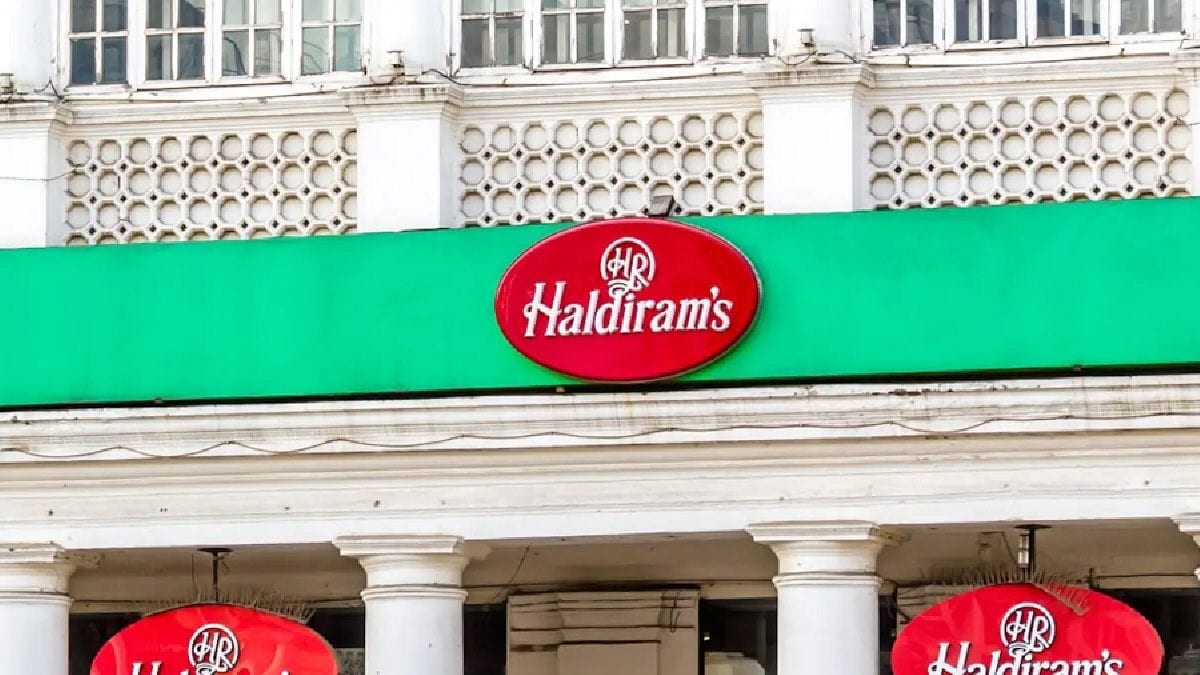
    Singapore-based Temasek Holdings is in discussions to buy a minority stake in Haldiram Snacks, according to a Bloomberg report citing people familiar with the matter. The transaction might value Haldiram at nearly $11 billion.

    Talks are ongoing and may not lead to a transaction, according to Bloomberg.

    Temasek is holding preliminary talks to buy from 10 per cent to 15 per cent in Haldiram, the people said, asking not to be identified because the matter is private. The investment may serve as a stepping stone towards a potential initial public offering of the company, according to report citing the people.

    Haldiram’s has drawn interest from other prospective bidders, the people added.

    Founded by Ganga Bishan Agarwal in the 1930s in north India, Haldiram’s sells a range of foods from sweet and savoury snacks to frozen meals and breads. It also runs 43 restaurants in and around Delhi, according to its website.

  • India Inc Likely to Offer 9.5% Salary Increment to Employees In FY2024-25: Survey

    India Inc Likely to Offer 9.5% Salary Increment to Employees In FY2024-25: Survey

    There was a pay increase of 9.3 per cent in India Inc in 2024.

    The survey suggests a double-digit 10 per cent salary increases in engineering & manufacturing and retail industries, followed by financial institutions at 9.9 per cent.

    India Inc is expected to dole out a salary increment of 9.5 per cent in the financial year 2024-25, compared with a pay increase of 9.3 per cent in 2024, according to the first phase of the Aon Annual Salary Increase and Turnover Survey 2024-25.

    The survey, which analysed data across 1,176 companies from over 40 industries between July and August 2024, suggests a double-digit 10 per cent salary increases in engineering & manufacturing and retail industries, followed by financial institutions at 9.9 per cent.

    Roopank Chaudhary, partner and head of reward solutions in India for Aon, said, “Despite evolving global economic challenges, our study indicates a positive business outlook across several sectors in India. This sentiment continues in many of the domestically driven sectors illustrated by the projected increments in the manufacturing, life sciences and retail industries.”

    The sentiment is the technology sector looks optimistic.

  • PM Modi to Release PM-KISAN 18th Installment on Saturday: How To Apply? Check Beneficiary Status

    PM Modi to Release PM-KISAN 18th Installment on Saturday: How To Apply? Check Beneficiary Status

    Under the PM-KISAN scheme, eligible farmers get Rs 2,000 every four months, which is Rs 6,000 annually.

    Prime Minister Narendra Modi will on Saturday, October 5, release the much-awaited 18th installment of the Pradhan Mantri Kisan Samman Nidhi (PM-Kisan) scheme.

    PM-KISAN 18th Installment Date: Prime Minister Narendra Modi will on Saturday, October 5, release the much-awaited 18th installment of the Pradhan Mantri Kisan Samman Nidhi (PM-Kisan) scheme. The 17th installment was released by PM Modi in June this year. Know how to apply, and check your beneficiary status.

    The prime minister released the 17th installment of the PM-Kisan scheme worth over Rs 21,000 crore to more than 9.26 crore farmers on June 18, 2024, during his visit in Varanasi, Uttar Pradesh. The 16th installment was released by Modi on in February this year.

    Under the PM-KISAN scheme, eligible farmers get Rs 2,000 every four months, which is Rs 6,000 annually. The money is provided each year in three instalments — April-July, August-November and December-March. The fund is directly transferred to the bank accounts of the beneficiaries.

    The scheme was announced in the Interim Budget 2019 by then finance minister Piyush Goyal and was later launched by Prime Minister Narendra Modi. It has now become the world’s biggest Direct Benefit Transfer scheme

    To receive the instalments, the farmers need to complete their e-KYC. According to the scheme’s official website, “eKYC is MANDATORY for PMKISAN Registered Farmers. OTP-based eKYC is available on the PMKISAN Portal, or the nearest CSC centres may be contacted for Biometric-based eKYC”.

    How To Check Beneficiary Status?

    1) Visit the official website — pmkisan.gov.in.

    2) Now, click on the tab ‘Know Your Status’ on the right side of the page

    3) Enter your registration number and fill Captcha Code, and select ‘Get Data’ option

    Your beneficiary status will come up on the screen.

    PM-KISAN: Check Your Name in Beneficiary List

    Step 1: Visit PM Kisan official website www.pmkisan.gov.in.

    Step 2: Click on the ‘Beneficiary list’ tab.

    Step 3: Select details from the drop-down such as select state, district, sub-district, block, and village

    Step 4: Click on the ‘Get report’ tab.

    After this, the beneficiary list will be displayed.

    You can call on the helpline numbers — 155261 and 011-24300606.

    Steps To Apply For PM Kisan Samman Nidhi

    Step 1: Visit pmkisan.gov.in

    Step 2: Click on ‘New Farmer Registration’ and enter Aadhaar number and fill the captcha

    Step 3: Enter the required details and click on ‘Yes’

    Step 4: Fill in the information asked in the PM-Kisan application form 2024, save it and take a printout for future reference.

  • India’s Services Sector Activity Hits 10-Month Low in September 2024: PMI

    India’s Services Sector Activity Hits 10-Month Low in September 2024: PMI

    Services companies’ margins have likely been squeezed further, as prices charged rose at a slower pace when input cost inflation intensified.

    The HSBC final India Services purchasing managers’ index, compiled by S&P Global, fell to 57.7 in September from a five-month high of 60.9 in August and was below a preliminary estimate of 58.9.

    Growth in India’s dominant services sector remained robust but slackened to a 10-month low in September as demand slowed, a business survey showed on Friday. The HSBC final India Services purchasing managers’ index, compiled by S&P Global, fell to 57.7 in September from a five-month high of 60.9 in August and was below a preliminary estimate of 58.9.

    “The headline business activity index fell below 60 for the first time in 2024, but we note that at 57.7, it was still much above the long-term average,” noted Pranjul Bhandari, chief India economist at HSBC.

    For more than three years, the index has stayed above the 50-mark separating expansion from contraction.

    The new business sub-index – a gauge for overall demand – slipped to its lowest since November but was still above its historical average. International demand rose at its slowest pace this year.

    Nevertheless, the business outlook for the year ahead improved, prompting firms to continue adding headcount. Hiring picked up slightly from August, extending the streak of job creation to more than two years.

    Cost inflation accelerated from August as prices of electricity, food and other materials increased. However, firms passed on extra costs to clients at the slowest pace since February 2022.

    “Services companies’ margins have likely been squeezed further, as prices charged rose at a slower pace when input cost inflation intensified,” added Bhandari.

    Indian inflation was below the Reserve Bank of India’s (RBI) 4% medium-term target in July and August. It was predicted to average 4.2%-4.6 in each quarter until at least July 2026, according to a recent Reuters poll.

    The RBI was expected to hold its key repo rate at 6.50% on Wednesday but reduce it by 25 basis points in December.

    A manufacturing PMI released on Tuesday dipped to an eight-month low of 56.5 in August, which along with the slip in services activity meant the overall Composite PMI was its weakest since November last year. The composite index fell to 58.3 in September from 60.7.

    (This story has not been edited by digihunt staff and is published from a syndicated news agency feed – Reuters)