Author: Kanhaiya

  • Who Will Succeed Ratan Tata? Know The Frontrunners Of Rs 3,600 Crore Empire

    Who Will Succeed Ratan Tata? Know The Frontrunners Of Rs 3,600 Crore Empire

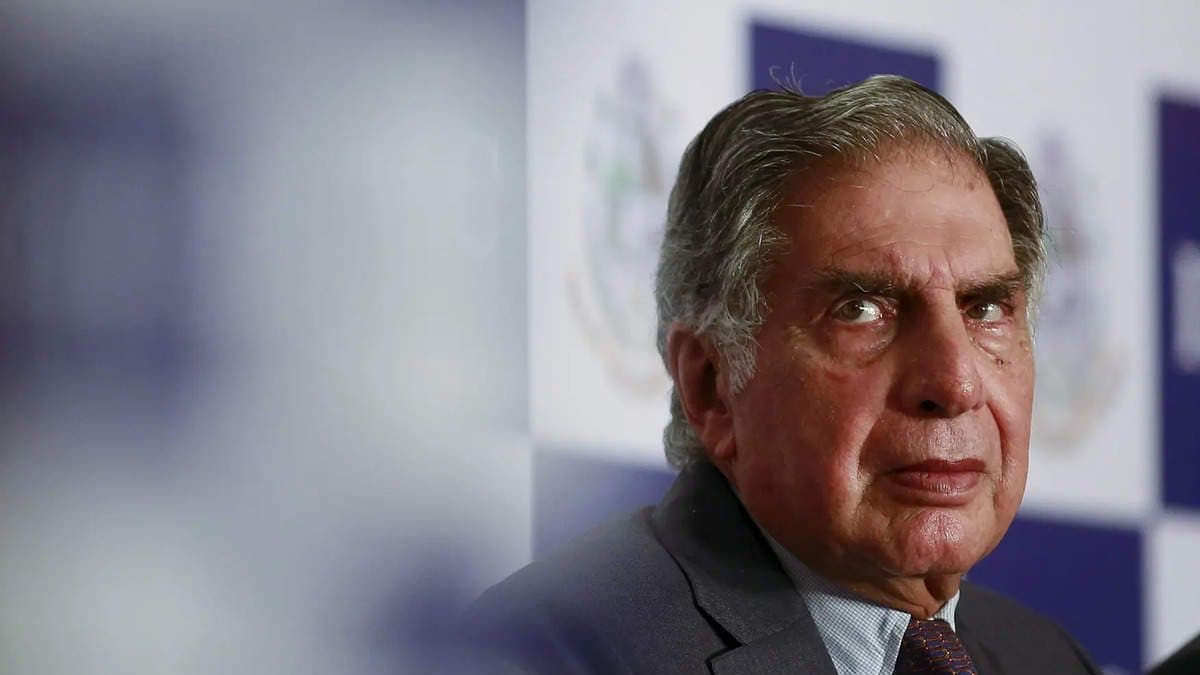
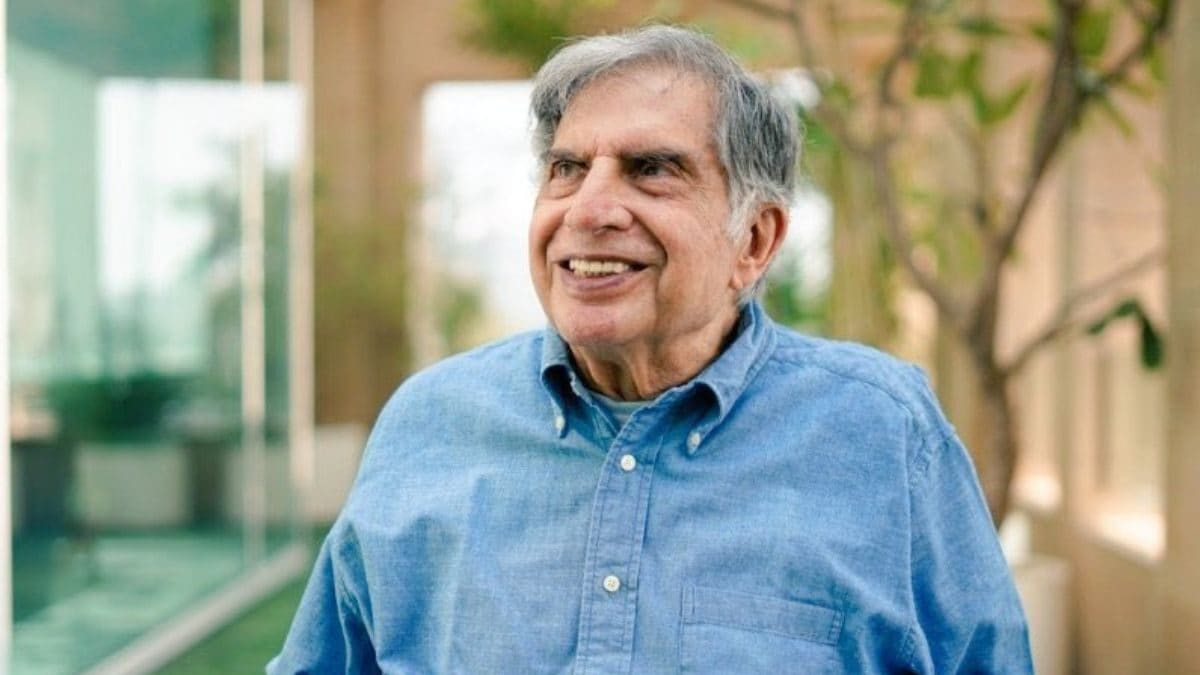
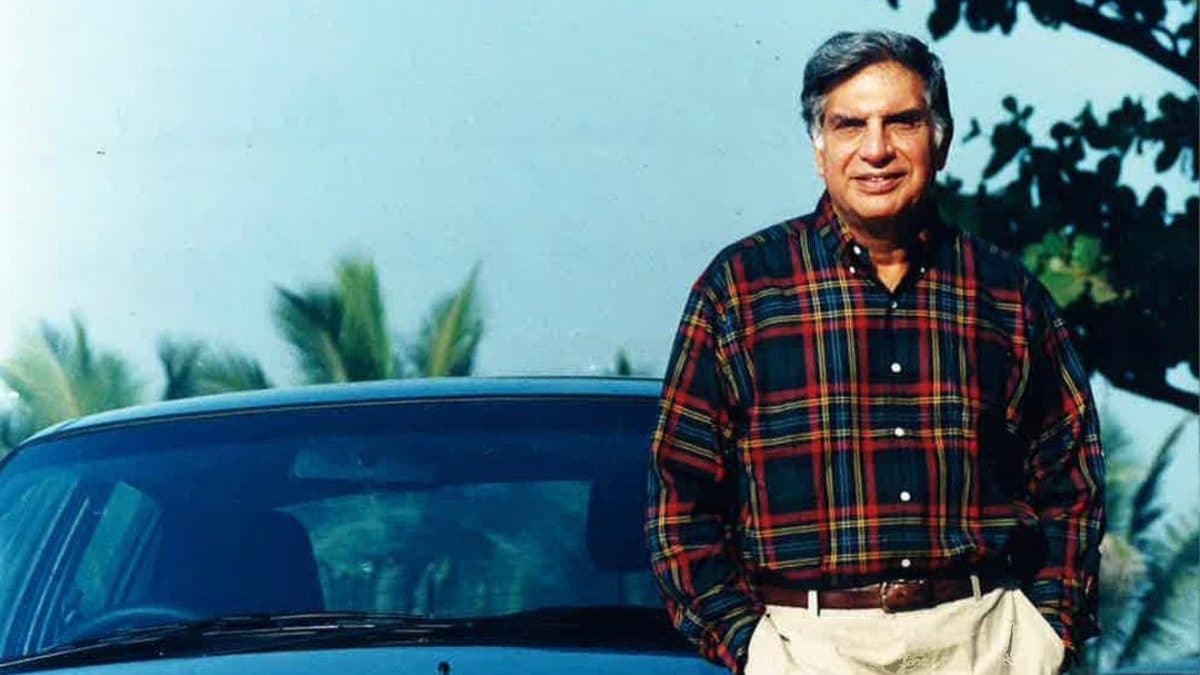
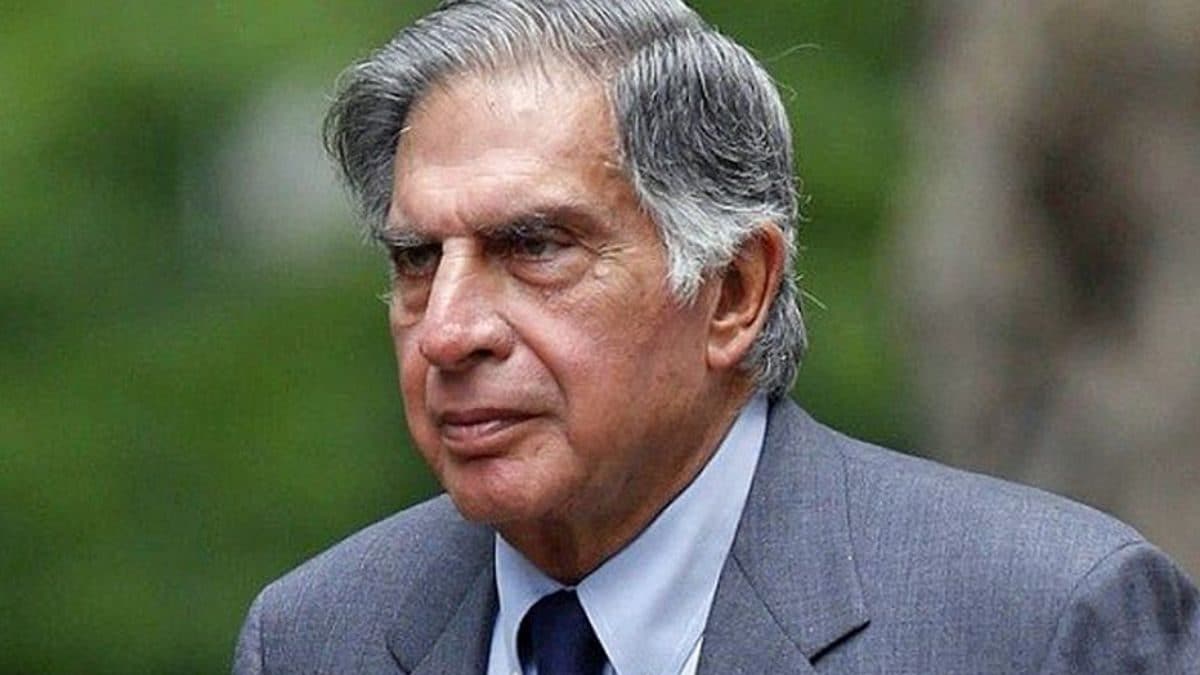
    Ratan Tata Passed Away On Wednesday in Mumbai (Image: Official website of Tata Group)

    Several potential heirs have emerged within the family and the business.

    Ratan Tata, the Chairman Emeritus of Tata Sons, passed away at the age of 86 in Mumbai late Wednesday night. He had been admitted to Breach Candy hospital on Monday for routine age-related checkups but was moved to intensive care just hours before his death.

    Speculation about who would succeed Ratan Tata had been a major topic, as he had no children. The question now is: who will take over the Tata Group, a massive Rs 3,800 crore business empire?

    Current Leadership and Succession

    N. Chandrasekaran: Currently the Chairman of Tata Sons, Chandrasekaran took over leadership in 2017. He was previously the CEO of Tata Consultancy Services (TCS) and is widely praised for his steady leadership. He’s seen as the top leader in the group right now.

    Though Ratan Tata reassured people in a social media post on Monday that there was no cause for concern, his hospitalisation brought renewed focus to who would lead the Tata Group next. Several potential heirs have emerged within the family and the business.

    The Leading Contender: Noel Tata

    Noel Tata, Ratan Tata’s half-brother, is seen as a strong candidate for leadership. He is the son of Naval Tata (from his second marriage) and has been involved in the Tata Group for many years. Noel has three children—Maya, Neville, and Leah Tata—who are also seen as future leaders within the conglomerate.

    Leah Tata: The eldest, Leah holds a Master’s degree in Marketing from IE Business School in Madrid and joined the Tata Group in 2006. She’s currently Vice President at The Indian Hotels Company Limited (IHCL).

    Maya Tata: Maya started her career at Tata Capital as an analyst and has been working her way up in the company.

    Neville Tata: Neville began his career at Trent, a retail business that his father helped build.

    Ratan Tata’s Legacy

    Ratan Tata, after studying architecture at Cornell University, joined the family business in 1962. He worked his way up and became the Chairman of Tata Sons in 1991. Under his leadership, Tata Group expanded globally, with companies like Tata Consultancy Services (TCS) going public and Tata Motors acquiring Jaguar Land Rover. He also made major contributions to Indian philanthropy through the Tata Trusts.

    Even though Ratan Tata stepped down as chairman in 2012, he continued to hold the title of Chairman Emeritus and remained involved in the Tata Trusts, which focus on various charitable initiatives across India.

    Prime Minister Narendra Modi called Tata a visionary business leader, a compassionate soul, and an extraordinary human being.

    “He provided stable leadership to one of India’s oldest and most prestigious business houses. At the same time, his contribution went far beyond the boardroom. He endeared himself to several people thanks to his humility, kindness and unwavering commitment to making our society better,” he said in a post on X.

    Posting his pictures with Tata during various times of his political career, Modi said one of the most unique aspects of Tata was his passion towards dreaming big and giving back.
  • Stocks To Watch: TCS, Tata Elxsi, IREDA, Adani Ent, Vedanta, Ola Electric, And Others

    Stocks To Watch: TCS, Tata Elxsi, IREDA, Adani Ent, Vedanta, Ola Electric, And Others

    Domestic markets traded in a volatile manner and ended nearly flat, continuing the current corrective phase. In today’s trade, shares of TCS, Tata Elxsi, IREDA, IDFC, Star Health among others will be in focus due to various news developments.

    TCS, Tata Elxsi, IREDA

    Shares of TCS, Tata Elxsi, and IREDA will be in focus as the companies will announce their second-quarter results today.

    Adani Enterprises: The company has launched a qualified institutional placement (QIP) offer at a floor price of Rs 3,117 per share. The company aims to raise up to Rs 16,600 crore to fund various projects, including airport expansions. Book-running lead managers for the issue include SBI Capital Markets, Jefferies India, and ICICI Securities.

    Vedanta: The company has repaid $869 million to bondholders, redeeming bonds due in 2027 and 2028 ahead of maturity as part of a liquidity management strategy. This move is expected to save the company on interest costs.

    JSW Infrastructure: The company has received a Letter of Intent from the Maharashtra Maritime Board to develop a multipurpose port in Palghar district. The project, costing approximately Rs 4,259 crore, is expected to create 1,500 jobs and aligns with JSW’s growth plan to increase capacity significantly by FY30.

    ICICI Securities: The National Company Law Tribunal has approved the delisting of ICICI Securities, following a scheme that will make it a wholly-owned subsidiary of ICICI Bank. Shareholders will receive 67 shares of ICICI Bank for every 100 shares of ICICI Securities they hold. Minority shareholder objections have been dismissed.

    Jio Financial Services: Jio Payments Bank, a part of Jio Financial Services, has secured a mutual fund distribution license from AMFI, enabling it to distribute direct mutual fund plans. This aligns with Jio Financial Services’ broader strategy to expand in the financial services sector, including a joint venture with BlackRock.

    Tata stocks: Stocks of Tata group companies will be in focus, following the demise of its Chairman Emeritus, Ratan Naval Tata on the intervening night of Thursday, October 10.

    HDFC Life Insurance: The insurer plans to raise Rs 1,000 crore through non-convertible debentures to support business growth. The issuance will be unsecured and listed on the National Stock Exchange.

    Star Health and Allied Insurance: The company is undergoing a forensic investigation after a significant data breach affecting 31 million customers. Star Health is cooperating with authorities and has filed legal action against platforms facilitating the data leak.

    Ola Electric: Following a surge in consumer grievances, the Ministry of Heavy Industries has requested insights from the Automotive Research Association of India regarding Ola Electric’s compliance with regulatory standards.

    IRB Infrastructure Developers: The company plans to raise up to $200 million through the issuance of foreign currency-denominated notes to meet financial requirements. The board has authorised the management committee to oversee this fundraising effort.

    Zee Entertainment Enterprises: The Independent Investigation Committee (ICC) set up by ZEEL found ‘no material irregularities’ in the company after a probe by SEBI concerning alleged fund diversion. This follows the scrutiny of its chairman emeritus Subhash Chandra, and managing director and CEO Punit Goenka, for alleged fund diversion of over Rs 2,000 crore.

    IDFC: Swiss financial services firm UBS Group acquired a 0.51 per cent stake in IDFC for approximately Rs 88 crore. This transaction comes after IDFC First Bank announced its merger with IDFC Ltd.

    TAC InfoSec: The cybersecurity firm added 200 new clients, including Microsoft and Lenovo, and aims to secure 10,000 global customers by March 2026.

    Disclaimer:Disclaimer: The views and investment tips by experts in this digihunt.com report are their own and not those of the website or its management. Users are advised to check with certified experts before taking any investment decisions.

  • TCS Q2 Results Today: Earnings Likely to be in Single Digit, Know Key Things to Watch Out For

    TCS Q2 Results Today: Earnings Likely to be in Single Digit, Know Key Things to Watch Out For

    TCS to release its Q2 FY25 financial results today.

    TCS Q2 Results: Apart from profit and revenue growth, management commentary on the business outlook will be a key monitorable, especially after a 50 basis points (bps) rate cut by the US Federal Reserve.

    The Q2 FY25 earnings season is set to be kicked off on Thursday even as India’s largest IT services company Tata Consultancy Services (TCS) is set to declare its financial results. According to analysts, TCS’s Q2 earnings are expected to be in low single digit. However, the BSNL deal could provide support to the company’s financial numbers.

    In the previous quarter (Q1 FY25), TCS reported a 9 per cent rise in its net profit to Rs 12,040 crore from Rs 11,074 crore in the year-ago period. Its revenue from operations increased 5 per cent to Rs 62,613 crore for the June 2024 quarter as against Rs 59,381 crore in the same quarter a year ago.

    TCS Q2 Results Preview: What Analysts Say

    Brokerage firm Kotak Institutional Equities expects a 30 basis points quarter-over-quarter (QoQ) increase in EBIT margin, primarily driven by rupee depreciation. However, headwinds for the quarter include (1) lower utilisation rates and (2) a shift in revenue mix toward the lower-margin BSNL contract. It is noteworthy that margins in Q1 included a 35 basis points one-time impact from an electoral trust contribution.

    Another brokerage firm HSBC in its note said TCS is likely to report a 1.5 per cent cc q-o-q revenue growth, with stable margins. The Tata group company is expected to see Q-o-Q weakness in Q2 due to slowdown in the UK business.

    Brokerage firm Nuvama also expects TCS to post a 1.3 per cent QoQ constant currency (cc) revenue growth and 1.9 per cent QoQ dollar growth, driven by emerging markets and weakness in the US and UK.

    Motilal Oswal forecasts a 1 per cent sequential cc revenue growth for TCS, driven by deal scale-up, including the BSNL deal, along with an incremental pickup in the North American BFSI sector.

    Tata Consultancy Services (TCS) and Bharat Sanchar Nigam Limited (BSNL) are collaborating on a Rs 15,000-crore deal to establish a 4G network across India

    TCS Q2 Results on Thursday: Key Things to Watch

    Apart from profit and revenue growth, management commentary on the business outlook will be a key monitorable, especially after a 50 basis points (bps) rate cut by the US Federal Reserve.

    Importantly, the Indian IT industry heavily depends upon the US economy as America is its biggest market.

    This apart, hiring and attrition will also be a key watch out.

    Shares of TCS on Wednesday rose Rs 1 or 0.02 per cent to close at Rs 4,252.3 apiece on the BSE.

  • Ratan Tata and Air India’s Legacy: From JRD Tata’s Dream to Government Control and Back

    Ratan Tata and Air India’s Legacy: From JRD Tata’s Dream to Government Control and Back

    The story of Air India is not just about an airline; it’s about a significant chapter in Indian aviation history. The return of Air India to the Tata Group symbolises a reconnection with its roots, and many hope it will lead to a renaissance in the Indian aviation sector, combining Tata’s operational expertise with the airline’s storied past.

    Air India’s journey began in 1932 as Tata Airlines, a subsidiary of Tata Sons, founded by the visionary J.R.D. Tata.

    J.R.D. Tata, also known as Jehangir Ratanji Dadabhoy Tata, was the uncle of Ratan Tata. J.R.D. Tata was a pioneering industrialist and the former chairman of Tata Sons, playing a crucial role in establishing and expanding the Tata Group.

    Ratan Tata, the son of J.R.D. Tata’s cousin Naval Tata, succeeded J.R.D. Tata was chairman of Tata Sons in 1991 and served in that role until his retirement in 2012.

    To connect India’s remote regions, the airline started with a single De Havilland Puss Moth aircraft. Over the years, Tata Airlines expanded its operations, eventually becoming a national carrier and rebranded as Air India in 1946.

    Government Takeover of Air India

    In 1953, the union government nationalised Air India, marking the beginning of a long period of government ownership. The government acquired a 49% stake in Air India, which later led to complete nationalisation.

    Despite facing various challenges, Air India became a symbol of India’s growing global presence. Its iconic Maharaja mascot and distinctive livery were recognized worldwide.

    The Road to Return

    However, Air India’s financial health deteriorated over the years, burdened by legacy issues, inefficient operations, and a mounting debt. The Indian government’s efforts to privatise the airline were unsuccessful for many years due to political hurdles and resistance from unions.

    2001: Tata Group Expresses Interest in Air India

    Proposal: Tata Group, in partnership with Singapore Airlines, bids to acquire a stake in Air India, but the bid is unsuccessful.

    2013: Tata Group Re-enters Aviation

    Joint Ventures: Tata Group partners with AirAsia Berhad and Singapore Airlines to enter the Indian aviation market.

    AirAsia India: Launched as a low-cost carrier.

    Vistara: Launched as a full-service airline in partnership with Singapore Airlines.

    A New Dawn

    2017: The government announced plans to disinvest its stake in Air India. This marked the beginning of a new chapter for the airline, as it sought potential buyers.

    2020: Tata Group Bids for Air India

    Bidding: Tata Group submits a bid to acquire Air India, including its low-cost subsidiary, Air India Express.

    October 2021: Tata Group Acquires Air India

    2021: After a long bidding process, the Tata Group won the bid to acquire Air India, marking the airline’s return to its founders. The government sold its 100% stake in Air India to the Tatas for ₹18,000 crore.

    After 69 years as a government-owned enterprise, Air India and Air India Express were welcomed back into the Tata group in January 2022.

    The acquisition was finalised, and Air India once again became a Tata-owned entity. The group announced plans to invest significantly in modernising the fleet and enhancing service quality.

    Air India Express: Tata also gained the authority to operate Air India Express, a fully owned low-cost subsidiary of Air India.

    Consolidation: Tata Group begins the process of consolidating its airline companies under the Air India brand.

    November 2022: AirAsia India Fully Acquired by Tata Group

    Acquisition: Tata Sons acquires the remaining 16.33% stake in AirAsia India from AirAsia Berhad, making it a fully-owned subsidiary.

    Merger Plans: Plans to merge AirAsia India with Air India Express to streamline operations.

    November 2023: Vistara Merger with Air India Announced

    May 2024: With the Air India-Vistara merger in progress, the assessment of over 7,000 employees is completed.

    August 2024: Govt Approves Singapore Airlines’ Investment

    This marked a significant milestone for the airline and the Tata Group, bringing the iconic carrier full circle. The Tata Group’s acquisition of Air India was seen as a strategic move to strengthen its presence in the aviation sector and leverage its expertise in managing large-scale businesses.

    The return of Air India to the Tata Group is a testament to J.R.D. Tata’s vision and the enduring legacy of the Tata Group. It marks the beginning of a new chapter for the airline, one that promises to be filled with innovation, growth, and a renewed sense of pride.

    The Tata Group aims to revive Air India to its former glory, leveraging its legacy of excellence in service and management. Plans for fleet upgrades, expanding routes, and integrating Air India with other Tata aviation ventures are in the pipeline.

    Ratan Tata Passes Away At 86

    Veteran industrialist and Tata Sons Chairman Emeritus Ratan Tata died at the age of 86 late on Wednesday. He was admitted to Mumbai’s Breach Candy Hospital since Monday due to a sudden drop in blood pressure and was in critical condition in the intensive care unit.

    In his official statement, Tata Sons chairman N Chandrasekaran said Ratan Tata was a “truly uncommon leader whose immeasurable contributions have shaped not only the Tata Group but also the very fabric of our nation”. He said Tata was more than a chairperson for the Tata Group, and was a “mentor, guide and friend” to him.

  • Ratan Tata Death LIVE Updates: A Compassionate Soul, World Mourns The Demise Of Business Icon

    Ratan Tata Death LIVE Updates: A Compassionate Soul, World Mourns The Demise Of Business Icon

    Ratan Naval Tata, the former chairman of the Tata Group, who revolutionized the conglomerate into India’s largest and most influential enterprise through a series of high-profile deals, has passed away at the age of 86.

    Tata, who led the salt-to-software empire for over two decades, took his last breath at Breach Candy Hospital in south Mumbai at 11:30 pm on Wednesday.

    A recipient of the Padma Vibhushan, Tata had been in the hospital’s intensive care unit since Monday.

    News of his passing was first shared by a senior Mumbai police official, with Tata Group chairman Natarajan Chandrasekaran later confirming it, describing Tata as “a truly extraordinary leader whose vast contributions not only shaped the Tata Group but also the very fabric of our nation.”

  • Ratan Tata To Be Accorded State Funeral, Announces CM Eknath Shinde; Public Darshan at NCPA Today

    Ratan Tata To Be Accorded State Funeral, Announces CM Eknath Shinde; Public Darshan at NCPA Today

    Ratan Tata’s legacy of generosity and leadership will be honoured with a state funeral.

    Ratan Tata died late Wednesday night at a Mumbai hospital, leaving behind an indelible legacy in both business and philanthropy.

    Maharashtra Chief Minister Eknath Shinde has announced that legendary industrialist Ratan Tata, who passed away at the age of 86, will be given a state funeral. Tata died late Wednesday night at a Mumbai hospital, leaving behind an indelible legacy in both business and philanthropy.

    In a heartfelt tribute, Shinde praised Tata as a unique blend of morality and entrepreneurship. Describing him as a “living legend,” the CM reflected on Tata’s role in successfully leading the Tata Group, a 150-year-old institution. “Ratan Ji Tata’s mortal remains will be accorded a state funeral,” Shinde confirmed in a post on X (formerly Twitter).

    Tata’s relatives have informed that his mortal remains will be kept at the National Centre for Performing Arts (NCPA) in South Mumbai from 10 am to 4 pm on Thursday, allowing the public to pay their respects.

    Remembering Tata’s resilience, Shinde also recalled Tata’s leadership during the 26/11 terror attacks. The iconic Taj Hotel, a Tata Group property, was one of the sites targeted by terrorists during the November 2008 attack. Tata’s steadfast response during the crisis became a defining moment in his leadership legacy.

    In an official statement, the Tata family expressed gratitude for the outpouring of love and respect following Tata’s passing. The family stated, “We, his brothers, sisters, and family, take solace in the immense affection from all who admired him. While he is no longer with us, his legacy of humility, generosity, and purpose will continue to inspire future generations.”

    N Chandrasekaran, the chairman of Tata Sons, also paid tribute to Tata’s contributions, calling him “a truly uncommon leader.” He spoke of Tata’s dedication to the Tata Group, noting that Tata was much more than a corporate head. He was a mentor, guide, and friend to many, including Chandrasekaran. Tata’s leadership was marked by an unwavering commitment to integrity, excellence and innovation, expanding the group’s global footprint while staying true to moral values. Chandrasekaran concluded by stating, “His legacy will continue to inspire us as we strive to uphold the principles he so passionately championed.”

  • Ratan Tata, Chairman Emeritus of India’s Tata Conglomerate, in Critical Condition in Hospital, Sources Say

    Ratan Tata, Chairman Emeritus of India’s Tata Conglomerate, in Critical Condition in Hospital, Sources Say

    Tata, 86, said on Monday he was undergoing routine medical investigations due to his age and related medical conditions. (File photo/PTI)

    A representative for Tata did not immediately respond to a request for an update on his condition on Wednesday

    Ratan Tata, the chairman emeritus of one of India’s biggest conglomerates, Tata Sons, is in critical condition and in intensive care in a Mumbai hospital, two sources said on Wednesday.

    Tata, 86, said on Monday he was undergoing routine medical investigations due to his age and related medical conditions.

    A representative for Tata did not immediately respond to a request for an update on his condition on Wednesday.

    (This story has not been edited by digihunt staff and is published from a syndicated news agency feed – Reuters)

  • Infosys, Microsoft Expand Collaboration To Push Adoption Of GenAI, Azure Cloud

    Infosys, Microsoft Expand Collaboration To Push Adoption Of GenAI, Azure Cloud

    Infosys is a key partner in The Microsoft Responsible AI Partner Initiative. (Representative image)

    As the collaboration grows, both companies are also focusing on sharing best practices for Responsible AI.

    Infosys, a global leader in next-generation digital services and consulting, today announced an expansion of its collaboration with Microsoft to help accelerate customer adoption of generative AI and Microsoft Azure, globally.

    The collaboration is aimed at helping Infosys and Microsoft joint customers realise the value of their technology investments and secure transformative outcomes.

    The move is aimed at helping Infosys and Microsoft joint customers realise the value of their technology investments and secure transformative outcomes.

    Infosys and Microsoft’s generative AI collaboration commenced when Infosys became an early adopter of GitHub Copilot, which enabled them to realise significant efficiencies in code modernisation and completion.

    Infosys currently has over 18,000 developers who have generated and used more than 7 million lines of code from Copilot.

    The scope of this expanded collaboration will include:

    • Financial Services – Infosys’ domain expertise with Finacle, alongside Microsoft’s advanced capabilities will enable financial institutions to engage, innovate, operate, and transform more efficiently.
    • Healthcare – Infosys Helix, a next-gen healthcare payer platform built on Microsoft Azure, uses AI/ML automation to optimise patient outcomes, will provide access to care, and enhance constituent experiences, while streamlining processes and reducing costs.
    • Supply Chain – This sector will see optimised processes and increased agility through the combined strengths of TradeEdge and Azure OpenAI service.
    • Telecommunications – Microsoft’s generative AI and Infosys Live Operations platforms will deliver enhanced connectivity and customer experiences.
    • Infosys Energy Management Solution, coupled with Microsoft’s commitment to sustainability, will accelerate the NetZero journey for customers.
    • Customer service – Infosys Cortex, an AI-driven customer engagement platform, integrates Microsoft GenAI and Copilot to deliver specialised and individualised copilot assistance to every member of a customer service organisation.

    Many of these solutions will be available on Azure Marketplace, allowing customers to utilise their Microsoft Azure Consumption Commitment (MACC), creating a mutually beneficial market proposition.

    As the collaboration grows, both companies are also focusing on sharing best practices for Responsible AI.

    Infosys is a key partner in The Microsoft Responsible AI Partner Initiative, contributing to the development of ethical AI guidelines through Infosys’ Responsible AI (RAI) Office.

    Skilling efforts are also part of the collaboration, ensuring that the workforce is equipped with the necessary expertise to support these initiatives.

    Anand Swaminathan, EVP and Global Industry Leader – Communications, Media and Technology, Infosys, said, “This collaboration addresses various business problems by delivering heightened value to clients through a customer-centric approach, providing scalability, agility, and cost-efficiency across key sectors.”

    Nicole Dezen, Chief Partner Officer at Microsoft, said, “Our expanded collaboration with Infosys will transform industries, enhance business operations, elevate employee experiences, and deliver new value for customers. Together, we will harness the power of generative AI to deliver innovative solutions, drive AI Adoption and enable unprecedented innovation for customers.”

  • Will RBI’s ‘Neutral Stance’ Pave Way For Cut In Home Loan Interest Rates?

    Will RBI’s ‘Neutral Stance’ Pave Way For Cut In Home Loan Interest Rates?

    Know the impact of repo rate on home loan interest rates and EMI

    Experts feel that the possibility of a rate change by RBI in the next 3-6 months cannot be ruled out.

    The Reserve Bank of India (RBI) kept its key interest rate unchanged on Wednesday but took the first step towards a rate cut as it eased its relatively hawkish policy stance to ‘neutral’. The decision is seen by the real estate sector as a missed opportunity by the RBI to boost housing demand.

    Although the repo rate has remained constant since February 2023, the possibility of a rate change by the central bank in the next 3-6 months cannot be ruled out.

    Realtors’ apex body Credai said the RBI should have cut key interest rates to boost housing demand during the current festive season and demanded that the apex bank consider lowering the repo rate in the next meeting.

    Will ‘Neutral Stance’ Pave Way For Cut In Home Loan Interest Rates?

    Atul Monga, Co-founder and CEO, BASIC Home Loans, suggested that the RBI’s move towards a ‘neutral stance’ indicates a careful approach to managing the economy.

    While this shift does not guarantee lower home loan interest rates, it does create the potential for rate adjustments based on future inflation trends and overall economic performance, Monga highlighted.

    Monga underlined that if inflation remains under control and economic conditions are stable, there’s a good possibility that the RBI may lower repo rates in future meetings.

    “This could result in lower home loan interest rates and reduced EMIs by December 2024,” Monga hoped.

    Realtors’ body Naredco President G Hari Babu also suggested that the RBI should consider reducing rates in the next MPC meeting.

    Role Of Banks Is Important

    The actual impact on home loan rates would largely depend on how swiftly banks pass on rate cuts to borrowers, Monga pointed out.

    Factors like credit demand and individual bank policies will also influence how quickly the EMIs might decrease.

    “Borrowers must stay informed about these developments in order to take advantage of potential savings on their home loans.”

    Mixed Outlook For Indian Real Estate

    Hitesh Uppal, Head of Finance, Magicbricks stated that the RBI’s decision to keep interest rates unchanged amidst inflation concerns and global uncertainties presents a mixed outlook for the Indian real estate sector.

    On one hand, stable rates create a favourable borrowing environment for homebuyers and developers, boosting market confidence and helping control inflation-related cost pressures.

    However, this also tempers expectations for more affordable financing, which could slow buyer momentum.

    “By not reducing rates now, the RBI limits its ability to lower them in future crises, potentially restricting critical support for the sector,” Uppal added.

    How Does Repo Rate Impact On Home Loan?

    Impact on Interest Rates:

    Repo Rate Cut: When the RBI lowers the repo rate, it becomes less expensive for commercial banks to borrow from the central bank. This reduction often leads banks to decrease the interest rates on loans, including home loans. As a result, borrowers benefit from lower EMIs (Equated Monthly Instalments), making home ownership more affordable.

    Repo Rate Hike: On the other hand, if the RBI raises the repo rate, the cost for banks to borrow increases. To offset this, banks usually raise their lending rates, including those for home loans. This leads to higher EMIs for borrowers with floating-rate loans and higher interest rates for new borrowers.

    Fluctuations in interest rates have a direct impact on real estate demand. Lower rates tend to boost demand by making loans more accessible, often driving up property prices. In contrast, higher rates generally suppress demand, leading to a softening of property prices.

  • 7th Pay Commission: Govt Likely to Announce 3% DA Hike in October? All Eyes on Cabinet Meeting

    7th Pay Commission: Govt Likely to Announce 3% DA Hike in October? All Eyes on Cabinet Meeting

    In the last hike in March 2024, the central government had raised dearness allowance by 4 per cent to 50 per cent of the basic pay.

    Central government employees and pensioners are likely to get a Diwali bonanza soon as the Union Cabinet is expected to announce a hike in DA and DR during its upcoming meeting on Wednesday.

    7th Pay Commission: Central government employees and pensioners are likely to get a Diwali bonanza soon as the Union Cabinet is expected to announce a hike in dearness allowance (DA) and dearness relief (DR) during its upcoming meeting on Wednesday.

    Last year, the DA hike was announced in the first week of October.

    On September 30, the Confederation of Central Government Employees and Workers wrote a letter to Finance Minister Nirmala Sitharaman expressing concerns over a delay in the DA/DR hike announcement.

    In the letter, the confederation’s general secretary S B Yadav said, “There is discontent among employees and pensioners due to the delay in the announcement of DA/ DR.”

    The letter added that Durga Puja festival is approaching and the PLB (performance-linked bonus) and adhoc bonus too are to be declared.

    According to the digihunt Hindi report, the central government is likely to announce a hike in dearness allowance in a Cabinet meeting on Wednesday.

    According to S B Yadav, the government might announce a 3 per cent hike this time. However, a 4 per cent hike is also likely.

    After the hike, salary of the entry-level central government employee, who has a basic salary of around Rs 18,000 per month, will increase in the range of Rs 540-720 per month, effective from July 1, 2024.

    After the announcement, the DA will increase from 50 per cent to 53 per cent of the basic pay.

    DA is given to government employees, while DR is given to pensioners. DA and DR are hiked twice a year — January and July. Currently, over one crore central government employees and pensioners are getting a 50 per cent dearness allowance.

    In the last hike in March 2024, the central government had raised dearness allowance by 4 per cent to 50 per cent of the basic pay. The government also increased dearness relief (DR) by 4 per cent.

    How Does Govt Decide on the DA Hike?

    The DA and DR hike is decided based on the percentage increase in 12 monthly average of the All India Consumer Price Index (AICPI) for the period ending June 2022. Though the central government revises the allowances on January 1 and July 1 every year, the decision is generally announced in March and September.

    In 2006, the central government had revised the formula to calculate the DA and DR for central government employees and pensioners.

    Dearness Allowance Percentage = ((Average of All-India Consumer Price Index (Base Year 2001=100) for the past 12 months -115.76)/115.76)x100.

    For Central public sector employees: Dearness Allowance Percentage = ((Average of All-India Consumer Price Index (Base Year 2001=100) for the past 3 months -126.33)/126.33)x100.