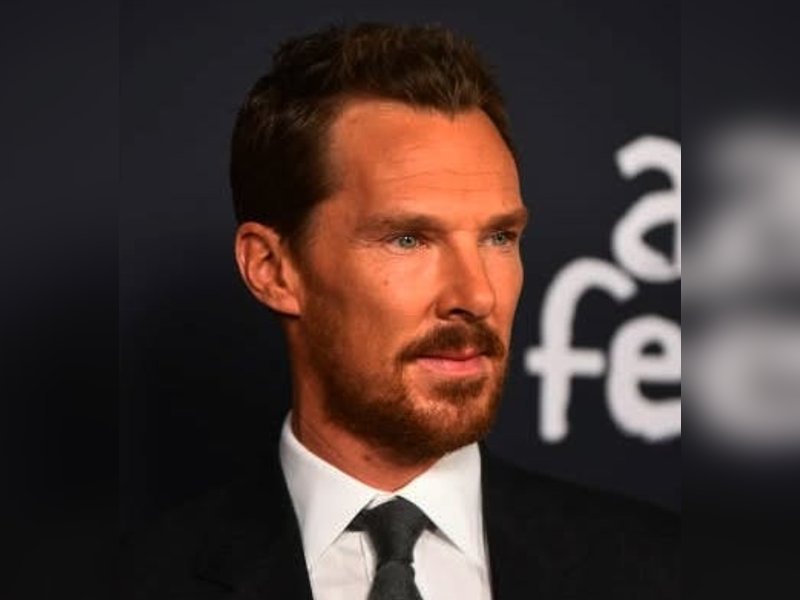
English actor Benedict Cumberbatch has shared insights about his film ‘The Thing with Feathers’, which explores male vulnerability.
The film delivers an emotional gut punch wrapped in a dark, fantastical nightmare and is adapted from Max Porter’s acclaimed novella ‘Grief Is the Thing with Feathers’. It follows a widowed father and his two young sons as they navigate the sudden loss of their wife and mother, while their grief takes on a surreal, physical form.
Portrayal of Grief
Discussing the representation of grief, Cumberbatch remarked, “Max’s novel is an exceptional piece of prose. It’s lyrical, damaged, salvational, majestical, mundane, domestic, real, and surreal. It serves as an extraordinary prism to reflect grief – the structure and intimacy of it. I wanted to preserve Dad’s humanity. I aimed, as an actor, to portray someone very human in his failings, someone grappling with emotions moment by moment. Everyone involved in the film, from Max to us, understands that grief is a universal experience. However, it’s rare in culture to explore that through a male perspective.”
He emphasized, “This film is important for any time, but particularly relevant now as it addresses male vulnerability and how to cope with grief and loss. It investigates our complex identities and the impact of losing a significant other. The upheaval that ensues reveals how, from the ashes of loss, something beautiful and honest can be rebuilt. We still reside in a culture where death and grief are not openly discussed; they are pushed aside. Yet, reality persists, becoming part of us. Love inevitably brings loss because you can’t love without experiencing it. Nothing lasts forever. This film offers an extraordinary, haunting, beautiful, and profound exploration of loss.”
Premiere Details
The film is set to premiere in India on Lionsgate Play on January 9. It also features David Thewlis, Richard and Henry Boxall. Directed by Dylan Southern, the film intricately weaves family drama with haunting, fantastical imagery to examine how grief reshapes identity, masculinity, and parenthood.