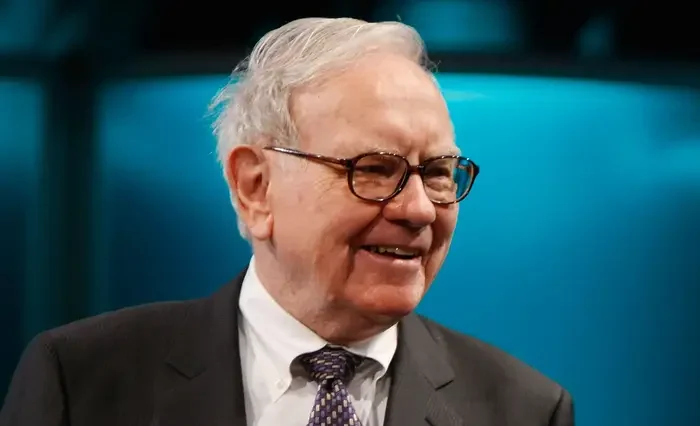
Greg Abel is set to succeed the legendary Warren Buffett as the new leader of Berkshire Hathaway this week, marking a major transition for the investment powerhouse. Buffett, widely recognized as the world’s best investor, transformed Berkshire from a struggling textile firm into a massive conglomerate, with shares now valued at over $750,000. Even with an estimated wealth of around $150 billion, Buffett has donated over $60 billion in the last twenty years. As Abel steps into this crucial role, investors are closely watching how he will tackle the challenges of steering a company that has recently faced difficulties in sustaining its remarkable growth.
Abel’s Leadership Style and Changes Ahead
Since 2018, Greg Abel has been overseeing Berkshire’s non-insurance operations, and his leadership approach is expected to differ notably from Buffett’s. Analysts anticipate that while some modifications will occur, a complete overhaul of the company’s decentralized structure is unlikely. Abel is known for being more hands-on, holding company leaders accountable while challenging their performance assessments. Recently, he made significant changes, including appointing Adam Johnson, CEO of NetJets, to oversee all consumer, service, and retail businesses. This decision effectively creates a new division within Berkshire, enabling Abel to concentrate on manufacturing, utility, and railroad sectors.
Despite anticipated adjustments, Buffett will continue to play an active role as chairman, offering guidance and support to Abel. The decentralized model that has been key to Berkshire’s success is expected to remain intact. Abel’s management style may resonate positively with investors, particularly if it leads to improved performance while maintaining the company’s established culture.
Challenges in Finding New Acquisitions
Berkshire Hathaway has encountered challenges in making significant acquisitions in recent years, a situation attributed to its vast size. The recent $9.7 billion acquisition of OxyChem is considered inadequate to meaningfully affect the company’s profitability. Analysts highlight that as Berkshire expands, identifying new and substantial investment opportunities becomes increasingly complex. Investors are keen to see how Abel will navigate this challenge and whether he will lean toward a more traditional leadership style.
A critical concern for Abel will be managing Berkshire’s sizable cash reserves, currently at $382 billion. Traditionally, the company has preferred reinvesting profits over distributing dividends. However, if Abel fails to find productive opportunities for this cash, shareholders might advocate for dividends or stock buybacks to enhance share value. For now, Buffett’s considerable voting power affords Abel some leeway from immediate pressure regarding these important decisions.
Future Outlook for Berkshire Hathaway
Berkshire Hathaway’s diverse portfolio, which includes a variety of utilities and insurance companies, positions the company well for future growth. Its subsidiaries generally perform well during economic upturns, yielding consistent profits. Analysts are optimistic that many of these businesses can thrive independently and continue to succeed under Abel’s leadership. Chris Ballard, managing director at Check Capital, conveyed confidence about Berkshire’s future, asserting that the company is well-prepared to navigate this transition.
As Abel takes charge, there are ongoing discussions regarding potential changes in company leadership following the recent exit of Todd Combs, the investment manager and CEO of Geico. With Vice Chairman Ajit Jain, a crucial figure in the insurance division, now 74, the future leadership landscape at Berkshire may undergo evolution. However, many shareholders, including Ballard, view these changes as part of a natural progression rather than as a source of concern. As the company embarks on this new chapter, investors are eager to see how Abel will influence Berkshire Hathaway’s direction moving forward.
Disclaimer: Digihunt is not a financial advisor and this is not investment advice.